Hair fall is a common concern that can affect both men and women. Seeing extra hair on your pillow, comb, shower drain, or clothing can be worrying, but some daily hair shedding is normal. The key is understanding why your hair is falling and adopting gentle habits that support a healthy scalp and hair.
If you are wondering how to stop hair fall naturally at home, start by focusing on nutrition, scalp care, gentle hair handling, stress management, and avoiding habits that can cause unnecessary breakage.
Natural home care may help reduce hair breakage and support healthier-looking hair, but it cannot address every cause of hair loss. Persistent, sudden, or significant hair loss may require professional evaluation.
What Causes Hair Fall?
Hair fall can happen for many different reasons. Some causes are temporary, while others may require treatment.
Common factors include:
- Stress
- Poor nutrition
- Sudden weight loss
- Hormonal changes
- Illness or recovery from illness
- Certain medications
- Tight hairstyles
- Excessive heat styling
- Chemical treatments
- Scalp conditions
- Hereditary hair loss
- Hair breakage
Understanding the possible cause is important because the most effective solution depends on why the hair is falling.
How Much Hair Shedding Is Normal?
It is normal to lose some hair every day as part of the natural hair growth cycle.
The amount can vary from person to person. You may also notice more hair shedding on certain washing days, particularly if you do not wash your hair every day.
However, sudden changes in shedding, visible thinning, bald patches, or significant hair loss should not simply be ignored.
1. Eat a Balanced Diet
Nutrition plays an important role in maintaining healthy hair.
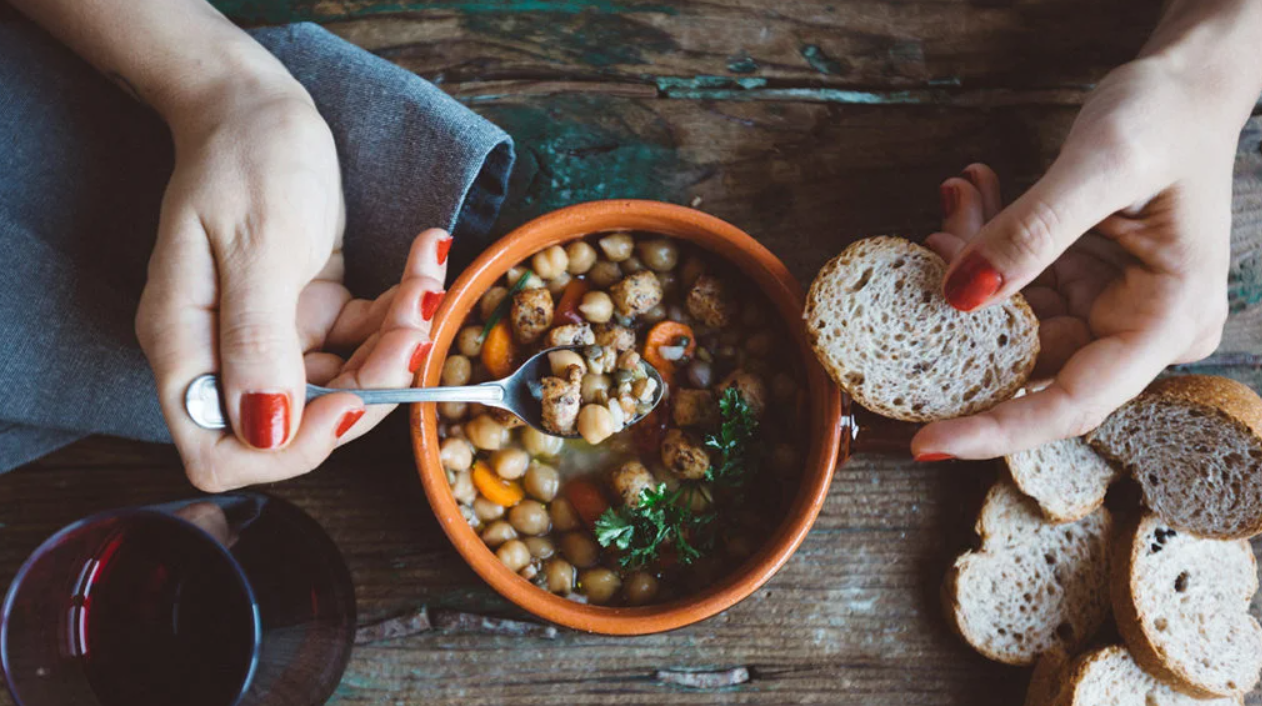
Hair needs adequate nutrients to grow normally. Instead of relying on a single “hair growth food,” focus on a balanced diet.
Include foods such as:
- Eggs
- Fish
- Beans and lentils
- Nuts and seeds
- Leafy vegetables
- Fruits
- Whole grains
- Dairy or suitable alternatives
- Lean meats or other protein sources
Protein is particularly important because hair is primarily made up of a protein called keratin.
2. Get Enough Protein
A diet that does not provide enough protein may affect hair health.
Include a protein source with regular meals. Depending on your dietary preferences, this could include eggs, fish, chicken, beans, lentils, yogurt, tofu, or other protein-rich foods.
If you are experiencing significant hair loss, do not automatically start taking high-dose supplements. Nutritional deficiencies should ideally be identified before supplementation.
3. Be Gentle With Your Hair
Hair can become fragile when it is wet or damaged.
After washing, gently squeeze out excess water instead of aggressively rubbing your hair with a towel.
Use a wide-tooth comb to carefully detangle your hair, starting at the ends and working upward.
Avoid repeatedly pulling through knots.
4. Avoid Tight Hairstyles
Constant tension from tight ponytails, buns, braids, or extensions can put stress on the hair and scalp.
If you frequently wear your hair tightly pulled back, try looser styles.
Changing your hairstyle regularly can also reduce repeated tension on the same areas.
5. Reduce Heat Styling
Frequent use of straighteners, curling irons, and high-heat blow dryers can weaken hair and increase breakage.
To protect your hair:
- Use lower heat settings.
- Avoid repeatedly heating the same section.
- Use a heat protectant.
- Give your hair regular breaks from hot tools.
- Allow your hair to air-dry when practical.
Reducing breakage can make your hair look fuller even if the underlying cause of shedding is different.
6. Take Care of Your Scalp
A healthy scalp provides the environment in which hair grows.
Wash your scalp regularly according to your hair type and oil production. Avoid allowing excessive buildup of oil, styling products, sweat, or flakes.
If you experience persistent itching, scaling, redness, or discomfort, consider seeking professional advice rather than relying only on home remedies.
7. Try a Gentle Scalp Massage
A gentle scalp massage can be a relaxing addition to your hair care routine.
Use your fingertips rather than your fingernails and massage gently for a few minutes.
Avoid aggressive rubbing or scratching because this can irritate the scalp and damage fragile hair.
Scalp massage should be viewed as a supportive self-care habit rather than a guaranteed treatment for hair loss.
8. Use Hair Oil Carefully
Hair oils can help condition the hair and reduce the feeling of dryness.
Popular options include:
| Oil | Common Use |
|---|---|
| Coconut oil | Conditioning dry hair |
| Argan oil | Softness and shine |
| Jojoba oil | Lightweight conditioning |
| Olive oil | Moisturizing dry hair |
| Castor oil | Thick, heavy oil often used in hair care |
Oil can make hair feel softer, but it should not be considered a guaranteed cure for hair loss.
If your scalp is oily or prone to buildup, avoid applying large amounts of oil directly to the scalp.
9. Manage Stress
Stress can affect the hair growth cycle, and some people notice increased shedding following periods of significant physical or emotional stress.
You can support your overall well-being by incorporating simple stress-management habits such as:
- Walking
- Exercise
- Meditation
- Deep breathing
- Spending time with friends or family
- Maintaining hobbies
- Getting adequate rest
Managing stress does not guarantee that hair loss will stop, but it can support your overall health.
10. Get Enough Sleep
Good sleep is important for overall health and well-being.
Try to maintain a consistent sleep schedule and create relaxing nighttime habits.
Sleep alone will not cure hair loss, but poor sleep combined with other lifestyle factors may affect how you feel and manage stress.
11. Avoid Harsh Hair Treatments
Repeated bleaching, coloring, chemical straightening, and perming can weaken the hair shaft.
If your hair is already dry or breaking, consider reducing chemical treatments and giving your hair time to recover.
Remember that hair breakage and hair loss are not exactly the same. Hair that breaks along its length can make your hair appear thinner even when the follicles are still producing hair.
Natural Habits That Support Hair Health
A simple routine can help reduce unnecessary hair damage.
| Habit | Potential Benefit |
|---|---|
| Balanced diet | Provides essential nutrients |
| Adequate protein | Supports normal hair growth |
| Gentle brushing | Reduces mechanical breakage |
| Loose hairstyles | Reduces tension |
| Less heat styling | Reduces damage |
| Regular scalp cleansing | Helps maintain scalp hygiene |
| Stress management | Supports overall well-being |
| Adequate sleep | Supports general health |
Can Home Remedies Stop Hair Fall?
Home remedies may help improve hair conditioning and reduce breakage, but they cannot treat every type of hair loss.
Ingredients such as aloe vera, coconut oil, or certain plant oils may help hair feel softer, but there is a difference between improving hair condition and treating the underlying cause of hair loss.
Be especially cautious with strong DIY remedies. Undiluted essential oils, onion juice, lemon juice, and other concentrated ingredients can irritate the scalp.
Always test new products carefully.
Vitamins and Supplements for Hair Fall
Many people immediately think about biotin or other supplements when they experience hair loss.
However, taking supplements without knowing whether you have a deficiency may not solve the problem.
Nutrients associated with healthy hair include:
- Iron
- Zinc
- Vitamin D
- Vitamin B12
- Folate
- Protein
If you suspect a nutritional deficiency, professional advice and appropriate testing can help determine whether supplementation is actually necessary.
Avoid taking high doses of vitamins or minerals without appropriate guidance.
Simple Weekly Hair Care Routine
You can keep your routine simple and consistent.
Washing Days
Use a gentle shampoo on the scalp and conditioner on the lengths and ends.
Once or Twice a Week
Use a moisturizing hair mask if your hair is dry or damaged.
Daily
Avoid tight hairstyles and excessive brushing. Use a small amount of leave-in conditioner or hair oil if your hair needs additional moisture.
Regularly
Trim damaged ends when needed and reduce unnecessary chemical or heat treatments.
Common Hair Fall Mistakes to Avoid
Brushing Too Aggressively
Pulling through knots can cause unnecessary breakage.
Wearing Tight Hairstyles Every Day
Constant tension can put stress on the hair.
Using Too Much Heat
Frequent high-temperature styling can weaken the hair shaft.
Skipping Meals
Restrictive eating can make it harder to get adequate nutrition.
Taking Random Supplements
More vitamins do not automatically mean healthier hair.
Scratching the Scalp
Aggressive scratching can cause irritation and damage.
Trying Too Many DIY Remedies
A long list of homemade treatments can irritate your scalp instead of helping it.
When Should You See a Doctor?
Home care may not be enough when hair loss has an underlying medical or hormonal cause.
Consider seeking professional advice if you notice:
- Sudden or rapid hair loss
- Bald patches
- Noticeably widening part lines
- Significant thinning
- Persistent scalp itching or inflammation
- Hair loss accompanied by other unusual symptoms
- Hair loss that continues for an extended period
Early evaluation can help identify possible causes and appropriate treatment options.
FAQs About How to Stop Hair Fall Naturally
1. How can I stop hair fall naturally at home?
Focus on a balanced diet, adequate protein, gentle hair care, scalp hygiene, stress management, sufficient sleep, and reducing heat and chemical damage. The right approach depends on the underlying cause of hair loss.
2. Does oiling stop hair fall?
Hair oil can condition the hair and reduce dryness, but oiling alone cannot guarantee that hair loss will stop. Persistent hair loss may have causes that require targeted treatment.
3. Is coconut oil good for hair fall?
Coconut oil can help condition some types of hair and may reduce the feeling of dryness. However, it should not be considered a cure for hair loss.
4. Can stress cause hair fall?
Significant physical or emotional stress can affect the hair growth cycle in some people. Increased shedding may become noticeable after a stressful event.
5. Which foods are good for hair growth?
Protein-rich foods, vegetables, fruits, whole grains, nuts, seeds, and other nutrient-rich foods can support overall nutrition. A varied diet is more useful than relying on one specific food.
6. Can drinking water stop hair fall?
Adequate hydration supports overall health, but drinking extra water does not directly treat every type of hair loss.
7. How often should I wash my hair if it is falling out?
There is no universal schedule. Wash according to your scalp and hair type. Regular cleansing can help maintain scalp hygiene without excessive washing or harsh treatment.
8. Does cutting hair reduce hair fall?
Cutting or trimming hair does not change the hair growth cycle at the follicle. However, trimming split or damaged ends can make hair look healthier and reduce visible breakage.
9. Can I use onion juice for hair fall?
Onion juice is a popular home remedy, but it can irritate the scalp and should not be treated as a guaranteed solution. If you experience burning, redness, or itching, stop using it.
10. How long does it take to reduce hair fall?
The timeline varies greatly depending on the cause. Some temporary shedding can improve after the underlying trigger is addressed, while hereditary or medical hair loss may require ongoing treatment.
Final Thoughts
Learning how to stop hair fall naturally at home starts with understanding that hair loss can have many different causes. Healthy nutrition, gentle hair handling, scalp care, adequate sleep, stress management, and reduced heat or chemical damage can all support healthier-looking hair.
Natural oils and home remedies may improve the condition of the hair, but they should not be considered guaranteed treatments for significant hair loss.
If your hair loss is sudden, severe, persistent, or accompanied by bald patches or scalp problems, professional evaluation is important. Identifying the cause is often the most useful step toward finding the right solution.
With consistent care and healthy habits, you can reduce unnecessary hair damage and create a better environment for maintaining strong, healthy-looking hair.