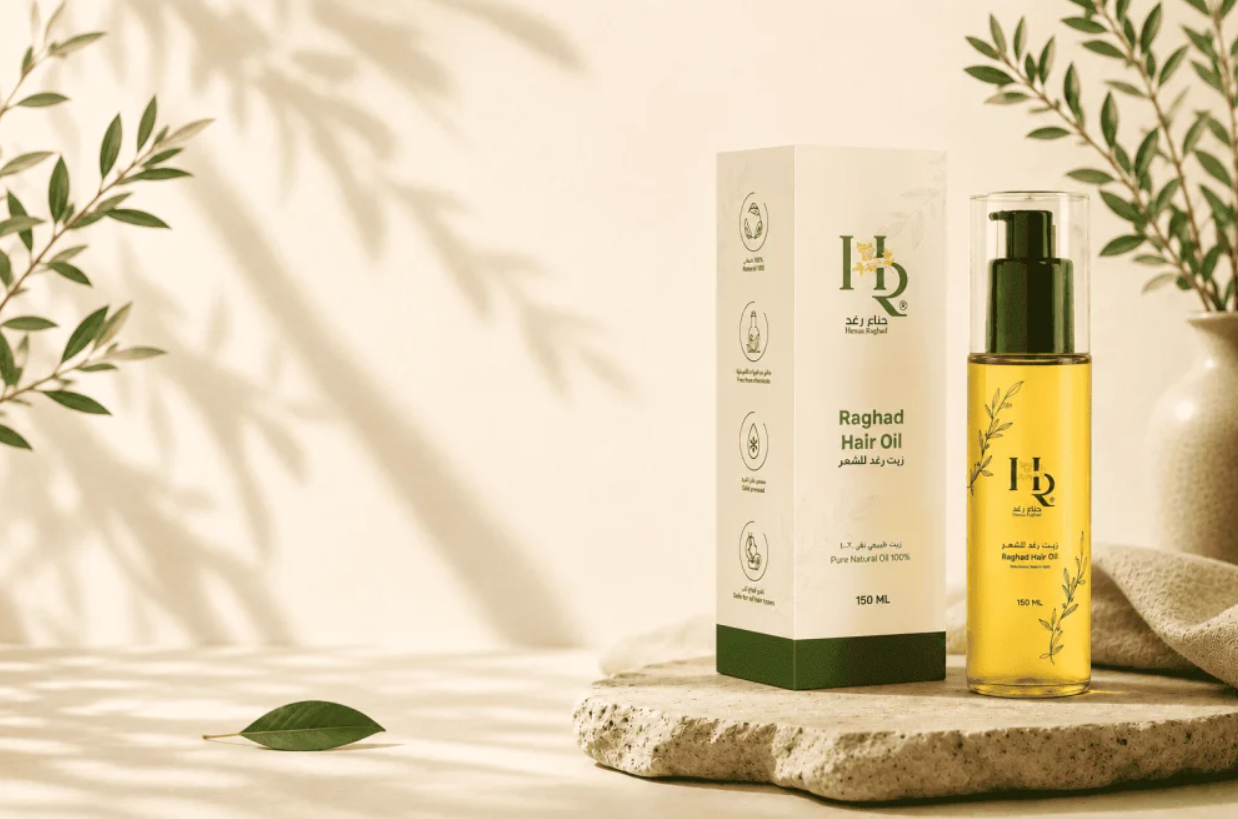
Healthy, thick-looking hair is something many people want, and hair oils have been used for generations as part of natural hair-care routines. The best hair oils for hair growth and thickness can help condition the scalp and hair, reduce dryness, improve softness, and minimize breakage.
However, it is important to understand that hair oils cannot magically change your natural hair-growth rate or guarantee new hair growth. Hair growth depends on factors such as genetics, age, hormones, nutrition, overall health, and scalp condition.
The right oil can still be useful because healthier, better-conditioned hair is less likely to break. This can help you retain more length and make your hair appear fuller and healthier.
Can Hair Oil Really Help Hair Growth?
Hair oils are often marketed as hair-growth treatments, but their benefits depend on the specific oil and the reason for hair loss.
Some oils can:
- Condition dry hair
- Reduce friction and tangling
- Improve hair softness
- Add shine
- Reduce the appearance of dryness
- Support a healthy-feeling scalp
- Help minimize breakage
If your hair is falling out because of an underlying medical, hormonal, nutritional, or hereditary condition, oil alone may not address the cause.
For sudden or significant hair loss, identifying the underlying problem is more important than simply changing your hair oil.
Best Hair Oils for Hair Growth and Thickness
Different oils have different properties. Some are lightweight, while others are richer and better suited to dry or coarse hair.
| Hair Oil | Best For | Common Benefit |
|---|---|---|
| Rosemary oil | Scalp-focused routines | Commonly used for hair growth care |
| Coconut oil | Dry and damaged hair | Conditioning and softness |
| Argan oil | Frizzy or dry hair | Shine and smoothness |
| Jojoba oil | Oily or combination scalp | Lightweight conditioning |
| Castor oil | Dry, coarse hair | Rich conditioning |
| Olive oil | Very dry hair | Moisture and softness |
| Almond oil | Dry or dull hair | Conditioning and shine |
| Amla oil | Traditional hair care | Conditioning and scalp care |
The best choice depends on your hair texture, scalp type, and personal tolerance.
1. Rosemary Oil
Rosemary oil is one of the most popular oils in natural hair-growth routines.
It is usually used as a diluted scalp treatment rather than applied directly in concentrated form.
Potential Benefits
Rosemary oil may help support a healthy scalp-care routine and is commonly used by people who want to improve the appearance of thinning hair.
How to Use It
Never apply concentrated rosemary essential oil directly to your scalp.
Mix a small amount with a suitable carrier oil such as jojoba or coconut oil.
Apply gently to the scalp and leave it for a limited period before washing, particularly if you are new to essential oils.
Stop using it if you experience burning, itching, redness, or irritation.
2. Coconut Oil
Coconut oil is one of the most popular natural oils for hair care.
It is particularly useful for dry, coarse, or damaged hair because it provides rich conditioning.
Potential Benefits
- Softens dry hair
- Improves shine
- Helps reduce the feeling of roughness
- Conditions the hair shaft
- May help reduce breakage associated with dryness
Coconut oil is generally more useful for conditioning and length retention than directly increasing hair growth.
Best For
Dry, thick, curly, or damaged hair.
People with fine hair may need to use only a small amount because coconut oil can feel heavy.
3. Argan Oil
Argan oil is a lightweight-feeling oil that is often used to smooth dry and frizzy hair.
It can be applied to the lengths and ends after washing.
Potential Benefits
- Adds shine
- Helps smooth frizz
- Softens dry ends
- Improves manageability
Argan oil is particularly useful if your main concern is making your hair look smoother and healthier.
4. Jojoba Oil
Jojoba oil has a relatively lightweight texture and can be useful for people who dislike heavy oils.
It can be applied in small amounts to the scalp or hair lengths depending on your needs.
Potential Benefits
- Lightweight conditioning
- Helps soften dry hair
- Supports scalp care
- May be suitable for combination hair
If your scalp is naturally oily, use only a small amount and wash it thoroughly.
5. Castor Oil
Castor oil is extremely popular in traditional hair-care routines, particularly for people looking for thicker-looking hair.
It is a very thick and rich oil.
Potential Benefits
- Provides rich conditioning
- Helps reduce the feeling of dryness
- Adds shine
- Can make hair appear temporarily more coated and fuller
There is a common belief that castor oil dramatically increases hair growth, but it should not be considered a guaranteed hair-growth treatment.
Because it is thick, mixing it with a lighter carrier oil can make it easier to apply and wash out.
6. Olive Oil
Olive oil can be useful for very dry or coarse hair.
It provides rich conditioning and can help improve softness.
Best For
- Very dry hair
- Coarse hair
- Frizzy hair
- Dry ends
If you have fine hair or an oily scalp, use a small amount to avoid weighing your hair down.
7. Almond Oil
Almond oil is another popular conditioning oil.
It can help make dry hair feel softer and smoother.
Potential Benefits
- Softens dry hair
- Adds shine
- Helps reduce roughness
- Makes hair easier to manage
Apply a small amount to the lengths and ends.
If you have an allergy to nuts, avoid almond oil or consult an appropriate professional before using it.
8. Amla Oil
Amla oil has a long history in traditional hair-care practices.
It is commonly used to condition the scalp and hair and is often included in routines designed to maintain strong, healthy-looking hair.
Amla oil products vary considerably, so check the ingredients of the specific product you choose.
Hair Oil Based on Your Hair Type
Choosing an oil based on your hair texture can make your routine easier.
| Hair Type | Suitable Oil Options |
|---|---|
| Fine hair | Jojoba or lightweight argan oil |
| Dry hair | Coconut, argan, or almond oil |
| Thick hair | Coconut, olive, or castor oil |
| Curly hair | Coconut, olive, or argan oil |
| Frizzy hair | Argan or jojoba oil |
| Oily scalp | Lightweight jojoba or argan oil |
| Damaged hair | Coconut or argan oil |
You do not need to use several oils at the same time.
Start with one product and observe how your scalp and hair respond.
How to Oil Your Hair Correctly
A simple hair-oiling routine can be surprisingly effective for conditioning.
Step 1: Choose a Suitable Oil
Select an oil according to your scalp and hair type.
Step 2: Use a Small Amount
You do not need to soak your hair in oil.
Step 3: Apply to the Scalp if Appropriate
If you are using a scalp-focused oil, apply it gently with your fingertips.
Avoid aggressive rubbing.
Step 4: Apply to the Lengths
Concentrate additional oil on dry areas and ends.
Step 5: Leave It for a Limited Period
You do not necessarily need to leave oil overnight.
A short pre-shampoo treatment may be sufficient for many hair types.
Step 6: Shampoo Thoroughly
Use a gentle shampoo to remove excess oil.
If necessary, shampoo twice, but avoid excessive scrubbing.
How Often Should You Oil Your Hair?
There is no universal rule.
For dry hair, once or twice a week may be enough.
If your scalp is oily, you may prefer less frequent oiling or use oil mainly on the lengths and ends.
If oiling causes itching, buildup, pimples around the hairline, or increased scalp discomfort, reduce or stop the treatment.
Hair Oil vs. Hair Serum
Hair oil and hair serum serve different purposes.
Hair oils are often used as conditioning treatments, while serums are commonly designed to smooth the hair surface, reduce frizz, and improve shine.
If your primary concern is dryness, an oil may be useful.
If your main concern is frizz and styling, a lightweight serum may be more convenient.
How to Make Hair Look Thicker Naturally
Hair oil is only one part of maintaining thicker-looking hair.
Other helpful habits include:
- Eat enough protein.
- Follow a balanced diet.
- Avoid excessive heat.
- Reduce chemical treatments.
- Avoid tight hairstyles.
- Handle wet hair gently.
- Use conditioner regularly.
- Prevent excessive breakage.
- Keep the scalp clean and comfortable.
- Get enough sleep.
If your hair is thinning, determine whether you are experiencing actual hair loss or simply breakage.
Natural Hair Oil Mistakes to Avoid
Applying Essential Oils Directly
Essential oils can be highly concentrated and may irritate the scalp when used undiluted.
Using Too Much Oil
More oil does not mean more growth. Excessive oil can create buildup and make hair difficult to wash.
Leaving Oil on for Too Long
Overnight oiling is not automatically better. Some people may experience scalp irritation or buildup.
Aggressive Scalp Massage
A gentle massage is enough. Pulling or rubbing the hair aggressively can cause unnecessary damage.
Expecting Instant Growth
Hair grows gradually. No oil can reliably transform hair growth overnight.
Can Hair Oil Stop Hair Fall?
Hair oil may reduce dryness and breakage, which can make hair shedding from breakage less noticeable.
However, not all hair fall comes from breakage.
Hair loss can be related to:
- Genetics
- Hormonal changes
- Nutritional deficiencies
- Stress
- Certain medications
- Illness
- Scalp conditions
If you are experiencing significant or sudden hair loss, an oil treatment may not address the underlying cause.
When Should You Seek Professional Advice?
Consider getting professional advice if you notice:
- Sudden hair loss
- Bald patches
- Rapid thinning
- A widening hair part
- Significant reduction in hair density
- Persistent scalp itching
- Redness or inflammation
- Painful scalp areas
- Hair loss that continues for an extended period
Early evaluation can help identify the cause and determine whether treatment is needed.
FAQs About the Best Hair Oils for Hair Growth and Thickness
1. What is the best oil for hair growth and thickness?
Rosemary oil is commonly used in hair-growth routines, while coconut, argan, jojoba, and other oils are useful for conditioning. The best option depends on your hair type and the cause of thinning or hair loss.
2. Does rosemary oil really grow hair?
Rosemary oil is popular as a natural scalp treatment, but it should not be considered a guaranteed solution for hair loss. If you use rosemary essential oil, dilute it properly.
3. Is castor oil good for thicker hair?
Castor oil is a rich conditioning oil that can make hair feel coated and fuller temporarily. It should not be treated as a guaranteed method of increasing the number of hair follicles or dramatically speeding growth.
4. Can coconut oil help hair growth?
Coconut oil can condition the hair and help reduce dryness and breakage. This may help with length retention, but it does not guarantee faster growth from the scalp.
5. How often should I oil my hair for growth?
Once or twice a week is a reasonable starting point for many people. Adjust according to your hair and scalp type.
6. Should I oil my scalp or hair ends?
It depends on your goal. Scalp-focused oils can be used in small amounts on the scalp, while conditioning oils are often particularly useful on dry lengths and ends.
7. Can I mix different hair oils?
You can mix suitable carrier oils, but there is no need to combine many oils. A simple mixture is easier to use and makes it easier to identify what works for your hair.
8. Is it safe to use essential oils on the scalp?
Essential oils should generally be diluted in a suitable carrier oil before scalp application. Do not use concentrated essential oils directly on the skin.
9. Can oiling make hair thicker?
Oiling can improve conditioning and make individual strands look smoother and shinier, which may create the appearance of fuller hair. It does not necessarily increase the number of hair follicles.
10. What is the best oil for dry and frizzy hair?
Argan oil, coconut oil, jojoba oil, and olive oil can all be useful for conditioning dry or frizzy hair. Choose a lighter oil for fine hair and richer oils for thick or coarse hair.
Final Thoughts
The best hair oils for hair growth and thickness depend on what your hair and scalp actually need. Rosemary oil is popular in scalp-care routines, while coconut, argan, jojoba, castor, almond, and olive oils can provide different conditioning benefits.
Remember that healthy-looking hair is not only about growth. Preventing breakage, maintaining a healthy scalp, eating a balanced diet, and handling your hair gently can help you retain more length and improve its overall appearance.
Use hair oils in moderation, dilute essential oils properly, and avoid expecting overnight results. If you are experiencing sudden or significant hair loss, focus on identifying the underlying cause rather than relying solely on natural oils.