Learning makeup can feel overwhelming when you see dozens of products, brushes, and complicated techniques online. The good news is that you do not need a huge collection to create a polished everyday look. A simple routine with a few essential products is enough to get started.
This best makeup routine for beginners step by step guide explains what to apply first, how to use each product, and how to create a natural makeup look without making the process complicated.
Whether you are getting ready for work, college, a casual outing, or a special occasion, learning the basics can help you feel more comfortable and confident with makeup.
What Do Beginners Need for Makeup?
You do not need every makeup product available. Start with a small collection of versatile essentials.
| Makeup Product | Main Purpose |
|---|---|
| Moisturizer | Prepares and hydrates the skin |
| Sunscreen | Helps protect skin during the day |
| Primer | Creates a smoother base |
| Foundation or skin tint | Evens out complexion |
| Concealer | Covers specific areas |
| Setting powder | Reduces shine and sets makeup |
| Blush | Adds color to cheeks |
| Eyebrow product | Defines brows |
| Mascara | Defines eyelashes |
| Lip product | Adds color and finishes the look |
| Setting spray | Helps finish the makeup |
You can start with only the products you actually need and gradually expand your collection.
Step 1: Start With Clean Skin
Before applying makeup, begin with a clean face.
Use a gentle cleanser suitable for your skin type and remove excess oil, sweat, or leftover skincare products.
Avoid applying makeup over dirty or heavily oily skin because the makeup may not sit evenly.
After cleansing, gently pat your face dry instead of rubbing it.
Step 2: Apply Moisturizer
Moisturizer is an important step before makeup.
Even oily skin can benefit from appropriate hydration.
Choose a moisturizer according to your skin type:
- Dry skin: Use a richer moisturizing formula.
- Oily skin: Choose a lightweight, non-greasy moisturizer.
- Combination skin: Use a balanced moisturizer.
- Sensitive skin: Choose a gentle formula with minimal potential irritants.
Allow the moisturizer a few minutes to settle before moving on.
Step 3: Apply Sunscreen
If you are doing daytime makeup, sunscreen should be part of your skincare routine.
Apply an appropriate amount of broad-spectrum sunscreen and allow it to settle before applying makeup.
Look for a sunscreen that works comfortably with your skin type and does not cause excessive pilling under makeup.
At night, sunscreen is not necessary.
Step 4: Use Primer
Primer is optional, especially for beginners.
It can help create a smoother base and may help makeup wear more evenly.
Different primers are designed for different concerns.
| Skin Concern | Primer Type |
|---|---|
| Oily skin | Mattifying or oil-control primer |
| Dry skin | Hydrating primer |
| Large-looking pores | Smoothing primer |
| Dull skin | Brightening primer |
| Combination skin | Use different formulas on different areas if needed |
Apply a small amount rather than covering your face with a thick layer.
Step 5: Apply Foundation or Skin Tint
For beginners, a skin tint or lightweight foundation can be easier to work with than a heavy full-coverage foundation.
Choose a shade that closely matches your skin tone.
How to Apply Foundation
You can use:
- Fingers
- Makeup sponge
- Foundation brush
Start with a small amount.
Apply it to the center of the face and blend outward.
Pay attention to areas such as:
- Around the nose
- Jawline
- Forehead
- Cheeks
Avoid applying a very thick layer immediately. You can always add more coverage where needed.
Step 6: Apply Concealer
Concealer is used to provide additional coverage in specific areas.
Common areas include:
- Under the eyes
- Blemishes
- Redness
- Dark spots
- Around the nose
For a natural everyday look, apply a small amount and blend gently.
You do not need to cover your entire face with concealer.
Beginner Tip
If your foundation already provides enough coverage, use concealer only where additional coverage is needed.
Step 7: Set Your Makeup With Powder
Powder can help reduce shine and prevent certain areas of makeup from moving.
You do not necessarily need to powder your entire face heavily.
For a natural look, focus on areas that tend to become oily.
| Skin Type | Powder Approach |
|---|---|
| Oily | Use more strategically on shiny areas |
| Dry | Use a small amount |
| Combination | Powder mainly the T-zone |
| Normal | Use only where needed |
Too much powder can make the skin look dry or cakey.
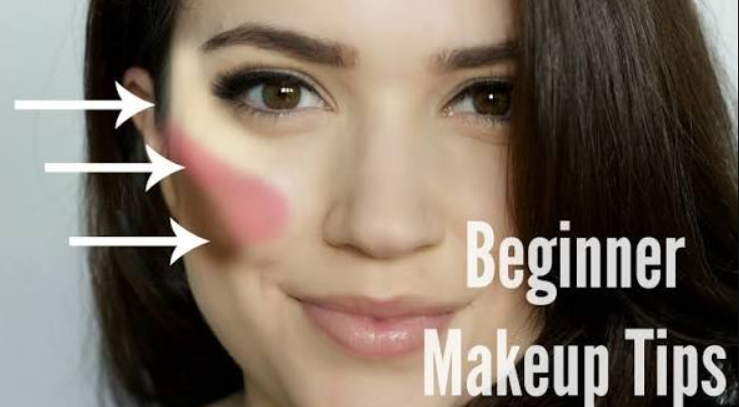
Step 8: Apply Blush
Blush can make a simple makeup look appear more fresh and lively.
Choose a shade that complements your skin tone.
Apply a small amount to the cheeks and blend it gradually.
Cream blush can create a natural-looking finish, while powder blush is easy to build and blend.
Beginner Tip
Start with a small amount of blush.
It is much easier to add more than to remove excessive product.
Step 9: Define Your Eyebrows
Well-groomed brows can frame the face.
You do not need dramatic brows for an everyday look.
Use a brow pencil, powder, or tinted brow gel to fill sparse areas.
Follow the natural direction and shape of your brows.
Avoid creating a completely different shape unless you specifically want a more dramatic style.
Step 10: Apply Eyeshadow
Eyeshadow is optional for a basic beginner routine.
If you want to use it, start with neutral shades.
A simple combination can include:
- Light shade for the lid
- Medium shade for the crease
- Slightly darker shade for definition
Blend the colors gently to avoid harsh edges.
For everyday makeup, neutral browns, soft pinks, beige, peach, and taupe can be easy starting points.
Step 11: Apply Eyeliner
Eyeliner can be challenging at first, so do not worry if your first attempts are imperfect.
For beginners, a soft pencil liner can be easier to control than liquid eyeliner.
You can apply a thin line close to the upper lash line.
If you want a more natural appearance, gently smudge the liner rather than creating a sharp wing.
Step 12: Apply Mascara
Mascara helps define and darken the eyelashes.
Before applying mascara, wipe excess product from the wand if necessary.
Then gently move the wand from the roots toward the tips of your lashes.
One or two coats are usually enough for an everyday look.
Avoid repeatedly pumping the wand into the tube because this can introduce air and dry the product more quickly.
Step 13: Apply Lip Product
Finish your makeup with a lip product.
Options include:
- Lip balm
- Tinted lip balm
- Lip gloss
- Lipstick
- Lip tint
- Lip liner
For beginners, tinted balm or gloss can be especially easy to use.
If you want a more defined appearance, outline the lips with a matching lip liner before applying lipstick.
Step 14: Use Setting Spray
Setting spray is optional.
It can help bring the layers of makeup together and provide a particular finish, depending on the formula.
Some sprays are designed to provide:
- Matte finish
- Natural finish
- Dewy finish
- Long-lasting hold
Hold the bottle at a suitable distance from the face and apply according to the product instructions.
Simple Beginner Makeup Routine
If you want a quick everyday routine, you do not need all the steps above.
Try:
Moisturizer → Sunscreen → Skin tint → Concealer → Blush → Brows → Mascara → Lip balm or lipstick
This can create a fresh, natural-looking makeup look without requiring many products.
Makeup Routine for Different Skin Types
Your skin type can affect which products feel most comfortable.
| Skin Type | Makeup Tips |
|---|---|
| Oily | Use lightweight products and set shiny areas |
| Dry | Moisturize well and avoid excessive powder |
| Combination | Balance hydration and oil control |
| Sensitive | Choose gentle formulas and patch test new products |
| Normal | Most lightweight or standard formulas can work |
Remember that skin type can change with weather, age, hormones, and other factors.
How to Choose the Right Foundation Shade
Choosing the correct foundation shade is one of the most important beginner skills.
Test the shade on an area that gives you a good idea of how it blends with your face and neck.
The goal is for the foundation to blend naturally rather than creating an obvious difference between your face and neck.
Consider both:
- Skin depth
- Undertone
Common undertones include:
- Warm
- Cool
- Neutral
Some people may have a combination or olive-leaning undertone.
Common Makeup Mistakes Beginners Should Avoid
Using Too Much Foundation
More foundation does not necessarily mean better makeup.
Start with a thin layer and build coverage gradually.
Choosing the Wrong Shade
A foundation that is too light, dark, pink, or yellow can look noticeably different from the rest of the skin.
Applying Too Much Powder
Excess powder can emphasize dry areas and texture.
Skipping Skincare
Makeup generally sits better when the skin is appropriately moisturized.
Not Blending
Harsh lines around foundation, blush, eyeshadow, or contour can make makeup look uneven.
Using Dirty Brushes and Sponges
Makeup tools should be cleaned regularly to remove product buildup.
Applying Too Many Products
Beginners often think they need every makeup trend at once. A simple routine is easier to learn and maintain.
How to Make Makeup Look Natural
If you prefer a natural makeup style:
- Use a lightweight base.
- Apply concealer only where needed.
- Choose a soft blush.
- Keep brows close to their natural shape.
- Use neutral eyeshadow.
- Apply one or two coats of mascara.
- Choose a natural lip color.
- Blend every product carefully.
Natural makeup is less about using fewer products and more about using them lightly and blending them well.
How to Make Makeup Last Longer
Several simple habits can improve makeup wear.
Start with clean, moisturized skin.
Use products suitable for your skin type and allow skincare layers to settle before applying makeup.
You can also:
- Use primer where needed.
- Apply thin layers.
- Set oily areas with powder.
- Use long-wearing products for special occasions.
- Finish with setting spray if desired.
- Avoid frequently touching your face.
How to Remove Makeup Properly
Removing makeup at the end of the day is just as important as applying it.
Use a suitable makeup remover or cleansing product to dissolve makeup.
Then cleanse the skin gently.
Avoid aggressive rubbing, particularly around the delicate eye area.
After cleansing, apply your usual nighttime skincare products.
FAQs About the Best Makeup Routine for Beginners
1. What is the best makeup routine for beginners?
Start with moisturizer, sunscreen during the day, a lightweight base, concealer, blush, brow product, mascara, and a lip product. Add primer, eyeshadow, eyeliner, or setting spray as you become more comfortable.
2. What should I apply first in makeup?
Start with skincare. Cleanse the face, apply moisturizer, and use sunscreen during the day. Primer can come afterward if you choose to use one.
3. Do beginners need primer?
No. Primer is optional. A suitable moisturizer and well-prepared skin may be enough for an everyday makeup look.
4. Should foundation or concealer go first?
Many people apply foundation first and then use concealer only where additional coverage is needed. This can prevent using more concealer than necessary.
5. How can I make my makeup look natural?
Use thin layers, choose a foundation that matches your skin tone, apply concealer selectively, blend products carefully, and avoid applying excessive powder or blush.
6. How do I choose the right foundation shade?
Consider both your skin depth and undertone. The right shade should blend naturally with your complexion rather than creating a visible contrast with your neck.
7. Is makeup safe for beginners?
Makeup can generally be incorporated into a routine safely when products are used as directed and tools are kept clean. If you have sensitive skin, introduce new products gradually and stop using anything that causes irritation.
8. How often should makeup brushes be cleaned?
Brushes used frequently should be cleaned regularly to remove makeup residue, oil, and buildup. Brushes and sponges that become visibly dirty should be cleaned before continued use.
9. Can I wear makeup every day?
Many people wear makeup regularly. The important habits are using suitable products, removing makeup properly, maintaining clean tools, and giving your skin appropriate skincare.
10. What makeup should a beginner buy first?
Start with versatile essentials such as moisturizer, sunscreen, skin tint or foundation, concealer, blush, brow product, mascara, and a lip product. You can add other products as your skills develop.
Final Thoughts
The best makeup routine for beginners step by step does not need to be complicated. Start by preparing your skin, then build a light base, add concealer where needed, bring color back with blush, define the brows and eyes, and finish with a lip product.
Focus on learning one technique at a time rather than trying to master every makeup trend immediately. With practice, you will learn which products, shades, textures, and application methods work best for your skin and personal style.
The most important beginner rule is simple: start with less, blend carefully, and build gradually.