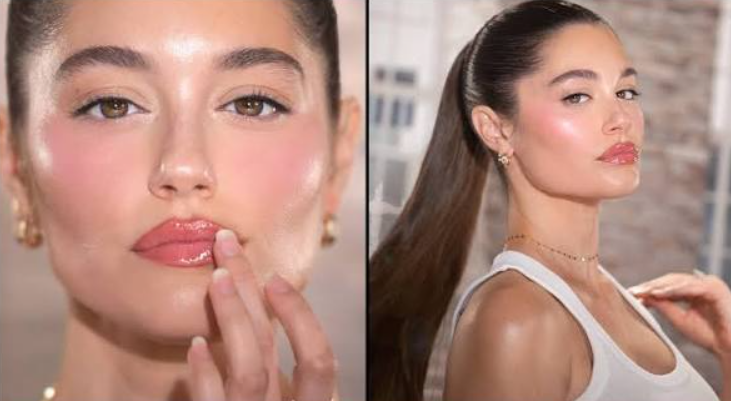
A natural makeup look is perfect for everyday activities when you want your skin to look fresh, even, and polished without appearing heavily made up. Unlike dramatic makeup, an everyday natural look focuses on lightweight products, subtle colors, soft definition, and careful blending.
You do not need a large makeup collection to create this style. A few well-chosen products can help you achieve a fresh appearance for work, college, shopping, casual outings, or everyday occasions.
If you want to learn how to create a natural makeup look for everyday wear, this guide covers everything from skin preparation to choosing the right foundation, blush, eye makeup, and lip color.
What Is a Natural Makeup Look?
Natural makeup is designed to enhance your existing features rather than completely change them.
The main characteristics include:
- Lightweight base
- Minimal concealer
- Soft blush
- Naturally defined eyebrows
- Neutral eye colors
- Light mascara
- Natural-looking lip color
- Subtle glow
- Well-blended products
The goal is not necessarily to use very little makeup. Instead, it is about using products in a way that creates a soft and balanced appearance.
Natural Everyday Makeup Essentials
You do not need every makeup product available.
| Product | Purpose | Natural Makeup Tip |
|---|---|---|
| Moisturizer | Prepares the skin | Choose one suitable for your skin type |
| Sunscreen | Daytime skin protection | Apply before makeup |
| Skin tint or foundation | Evens complexion | Use a lightweight formula |
| Concealer | Covers specific areas | Apply only where needed |
| Cream or powder blush | Adds color | Choose a soft shade |
| Brow pencil or gel | Defines brows | Follow your natural shape |
| Neutral eyeshadow | Adds subtle definition | Use soft brown or beige shades |
| Mascara | Defines lashes | Apply one or two coats |
| Lip balm or tint | Adds subtle lip color | Choose a natural shade |
| Setting spray | Finishes makeup | Optional |
Step 1: Start With Clean Skin
A natural makeup look starts with properly prepared skin.
Cleanse your face with a gentle cleanser suitable for your skin type.
This helps remove excess oil, sweat, and leftover skincare products.
Avoid aggressively scrubbing your face before makeup because this can leave the skin feeling irritated or uncomfortable.
After cleansing, gently pat your skin dry.
Step 2: Moisturize Your Face
Moisturizer can help create a smoother surface for makeup.
Choose your moisturizer according to your skin type.
Dry Skin
Use a richer moisturizing formula.
Oily Skin
Choose a lightweight, non-greasy moisturizer.
Combination Skin
Use a balanced moisturizer and adjust the amount according to different areas of your face.
Sensitive Skin
Choose a simple product that your skin already tolerates well.
Allow the moisturizer to settle before applying makeup.
Step 3: Apply Sunscreen
For daytime makeup, sunscreen should be part of your skincare routine.
Apply a suitable broad-spectrum sunscreen before makeup and allow it to settle.
If you are spending significant time outdoors, follow the sunscreen’s directions for reapplication.
A natural makeup look should not require skipping your daytime skincare.
Step 4: Use a Lightweight Base
A heavy foundation is not necessary for a natural look.
Consider using:
- Skin tint
- BB cream
- Tinted moisturizer
- Lightweight foundation
Choose a shade that closely matches your complexion.
Apply a small amount to the center of your face and blend outward.
Focus on creating an even appearance rather than completely covering every natural feature.
Step 5: Apply Concealer Only Where Needed
Concealer is useful for areas that need additional coverage.
You can apply it to:
- Under-eye darkness
- Blemishes
- Redness
- Dark spots
- Around the nose
Use a small amount and blend the edges carefully.
A common mistake is applying too much concealer in an attempt to create a completely flawless complexion. For a natural look, allowing some natural skin texture to remain visible usually creates a softer appearance.
Step 6: Add a Natural Flush With Blush
Blush can make the face look fresh and lively.
For an everyday look, choose subtle shades such as:
- Soft pink
- Peach
- Rose
- Muted coral
- Soft mauve
Cream blush can provide a fresh-looking finish, while powder blush can be easy to build gradually.
Apply a small amount to the cheeks and blend thoroughly.
Step 7: Keep Your Brows Natural
Brows can dramatically affect the appearance of your makeup.
For a natural look, avoid drawing an overly sharp or dramatic brow.
Instead:
- Brush your brows into place.
- Identify sparse areas.
- Fill them lightly with a brow pencil or powder.
- Blend the product.
- Finish with brow gel if desired.
Use a shade that is close to your natural brow color.
Step 8: Choose Neutral Eyeshadow
You can completely skip eyeshadow for a very minimal makeup look.
If you want subtle eye definition, choose neutral shades.
Good everyday colors include:
- Beige
- Taupe
- Soft brown
- Warm brown
- Soft peach
- Muted rose
Apply a light shade across the lid and use a slightly deeper shade in the crease if desired.
Blend carefully so there are no harsh edges.
Step 9: Apply a Small Amount of Eyeliner
Eyeliner is optional.
For a natural look, a thin line close to the upper lash line can define the eyes without appearing dramatic.
Brown eyeliner can create a softer appearance than very dark black eyeliner, although either can work depending on your preference.
You can also gently smudge pencil eyeliner for a softer finish.
Step 10: Apply Mascara
Mascara is one of the easiest ways to define the eyes.
Curl your lashes if desired, then apply one or two coats of mascara.
Focus on separating and defining the lashes rather than creating an extremely dramatic effect.
If your lashes tend to clump, remove excess product from the wand before application.
Step 11: Add a Natural Lip Color
Complete your look with a lip product that complements your natural coloring.
Good everyday choices include:
| Lip Shade | Overall Effect |
|---|---|
| Nude | Subtle and understated |
| Soft pink | Fresh and feminine |
| Rose | Natural and polished |
| Peach | Warm and fresh |
| Mauve | Soft and sophisticated |
| Brown nude | Neutral and defined |
Tinted lip balm is an excellent option if you want moisture and subtle color at the same time.
Step 12: Add a Subtle Glow
Highlighter is optional.
If you want a slightly luminous finish, apply a small amount to areas where light naturally hits the face.
These can include:
- Tops of the cheekbones
- Inner corners of the eyes
- Brow bone
- Tip of the nose
Use a subtle product rather than a very glittery formula for an everyday appearance.
Step 13: Set Your Makeup
Setting spray is optional but can help finish the makeup.
Choose a finish based on your preference.
For example:
- Matte for oily skin
- Natural for balanced skin
- Dewy for dry skin
Avoid applying excessive powder or setting spray simply because you want your makeup to last longer.
Best Natural Makeup Routine by Skin Type
| Skin Type | Base Choice | Makeup Tips |
|---|---|---|
| Oily | Skin tint or soft-matte foundation | Set the T-zone lightly |
| Dry | Tinted moisturizer or hydrating foundation | Use minimal powder |
| Combination | Lightweight natural finish | Adjust products by area |
| Normal | Skin tint or lightweight foundation | Choose preferred finish |
| Sensitive | Gentle formula you tolerate | Introduce new products carefully |
How to Make Natural Makeup Look Better
Natural makeup is heavily dependent on application technique.
Blend Everything
Harsh lines can make makeup look more obvious.
Blend foundation, concealer, blush, and eyeshadow carefully.
Use Less Product
Start with a small amount and build gradually.
Choose Similar Tones
Your blush, eyeshadow, and lip color do not have to match exactly, but complementary tones can create a more cohesive appearance.
Match Your Foundation
A good foundation shade match can make your base appear much more natural.
Don’t Over-Powder
Excess powder can make the skin look dry or textured.
Natural Makeup Look Without Foundation
You do not need foundation for an everyday makeup look.
Try:
Moisturizer → Sunscreen → Concealer → Blush → Brows → Mascara → Lip balm
Apply concealer only to areas that need additional coverage.
This can create a fresh look while allowing more of your natural skin to show.
Natural Makeup for Work
For a professional everyday look, keep the colors soft and the application polished.
A simple routine can include:
Sunscreen → Lightweight base → Concealer → Soft blush → Natural brows → Mascara → Nude or rose lip color
Avoid using too many layers if you want a comfortable look throughout the day.
Natural Makeup for College
College makeup can be quick and low-maintenance.
Try:
BB cream → Concealer → Blush → Brow gel → Mascara → Lip tint
You can skip eyeshadow and eyeliner when you are short on time.
Natural Makeup for a Casual Outing
For a slightly more polished appearance, add subtle eyeshadow and a little highlighter.
A routine can be:
Light base → Concealer → Blush → Brows → Neutral eyeshadow → Mascara → Lip color → Subtle highlighter
The result can still look natural while providing more definition.
Common Natural Makeup Mistakes
Using Too Much Foundation
Heavy foundation can make a natural makeup look appear less natural.
Choosing the Wrong Foundation Shade
A shade that does not match your complexion can create an obvious contrast.
Overdrawing the Brows
Very dark or sharply defined brows can dominate an otherwise soft look.
Applying Too Much Blush
Build blush gradually rather than applying a large amount immediately.
Using Too Much Highlighter
A subtle glow generally looks more natural than strong glitter.
Skipping Skincare
Makeup may apply less smoothly when the skin is very dry or poorly prepared.
Forgetting to Remove Makeup
Always remove makeup properly at the end of the day.
How to Make Natural Makeup Last Longer
A natural makeup look can also be long-lasting.
Start with clean, moisturized skin.
Use lightweight products and apply thin layers.
If you have oily skin, set areas that become shiny with a small amount of powder.
A suitable primer and setting spray can also be used if needed.
During the day, avoid frequently touching your face.
For touch-ups, blot excess oil before adding more powder or makeup.
Simple 10-Minute Natural Makeup Routine
If you are short on time, follow this routine:
1. Moisturizer: Prepare the skin.
2. Sunscreen: Apply during the daytime.
3. Skin tint: Even out the complexion.
4. Concealer: Cover specific areas.
5. Blush: Add a soft flush.
6. Brows: Fill sparse areas lightly.
7. Mascara: Define the lashes.
8. Lip balm or tint: Add subtle color.
This routine can be completed quickly once you become familiar with the products.
FAQs About Natural Makeup Look for Everyday Wear
1. What is the best natural makeup look for everyday wear?
A lightweight base, minimal concealer, soft blush, naturally defined brows, mascara, and a subtle lip color are enough to create a simple everyday look.
2. Can I create a natural makeup look without foundation?
Yes. Use concealer only where needed and add blush, brow product, mascara, and lip color. This creates a lightweight look while allowing more natural skin to show.
3. Which foundation is best for natural makeup?
A skin tint, BB cream, tinted moisturizer, or lightweight foundation can work well. Choose a formula that matches your skin tone and preferred finish.
4. What color lipstick looks natural?
Nude, soft pink, rose, peach, and mauve shades can create a natural appearance. Choose a color that complements your complexion and natural lip tone.
5. How do I make my makeup look less cakey?
Use less product, apply thin layers, moisturize appropriately, and avoid excessive powder. Blend each product carefully before adding another layer.
6. Is blush necessary for natural makeup?
No, but blush can add warmth and color to the face. Apply a small amount and build gradually for a subtle result.
7. Should I wear eyeliner for a natural look?
Eyeliner is optional. A thin brown or black line close to the lash line can provide subtle definition without creating a dramatic appearance.
8. How can I make natural makeup last all day?
Prepare your skin properly, use lightweight products, apply thin layers, set oily areas if necessary, and avoid touching your face frequently.
9. What eyeshadow colors are best for everyday natural makeup?
Soft brown, beige, taupe, peach, and muted rose are versatile choices for a natural everyday look.
10. How do I remove natural makeup at night?
Use a suitable makeup remover or cleanser to remove makeup, then cleanse your face gently. Follow with your usual nighttime skincare routine.
Final Thoughts
Creating a natural makeup look for everyday wear does not require a complicated collection of products. The key is to enhance your features with lightweight coverage, soft colors, and careful blending.
Start with clean, moisturized skin and sunscreen during the day. Use a lightweight base, apply concealer only where needed, add a subtle blush, lightly define your brows, and finish with mascara and a natural lip color.
The most important part of natural makeup is balance. Start with less product, build coverage gradually, and choose shades that complement your natural coloring. With a little practice, you can create a fresh, polished look that feels comfortable enough for everyday wear.