Dry skin can feel tight, rough, flaky, or uncomfortable, especially after cleansing or during cold and dry weather. The right beauty products can make a significant difference by adding moisture, supporting the skin barrier, and helping your complexion look smoother and more radiant.
When shopping for the best beauty products for dry skin, focus on formulas that provide long-lasting hydration rather than products that simply make the skin feel temporarily soft. Ingredients such as hyaluronic acid, ceramides, glycerin, squalane, shea butter, and colloidal oatmeal can be useful additions to a dry-skin routine.
Here is a practical guide to the best beauty products and product types for dry skin.
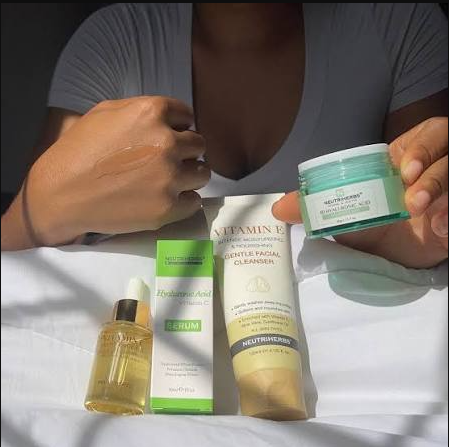
1. Gentle Hydrating Cleanser
Cleansing is an important first step, but dry skin generally does not benefit from harsh cleansers that leave the face feeling tight or stripped.
Choose a gentle hydrating cleanser with a creamy or lotion-like texture. Look for ingredients such as glycerin, ceramides, aloe vera, and hyaluronic acid. A good cleanser should remove dirt, sunscreen, and makeup without leaving your skin uncomfortable.
Avoid products that contain strong fragrances or aggressive cleansing agents if your skin is particularly sensitive or dry.
Best for: Dry, sensitive, and mature-looking skin.
2. Hydrating Facial Serum
A hydrating serum can provide an additional layer of moisture before you apply your moisturizer. Serums containing hyaluronic acid and glycerin are particularly popular for dry skin.
Hyaluronic acid helps attract water to the skin, while glycerin is a well-known humectant that helps support hydration. Apply a serum according to its instructions, ideally as part of a routine that also includes a moisturizer to help reduce moisture loss.
Best for: Dehydrated and dry skin.
3. Rich Moisturizer
A moisturizer is arguably the most important product for a dry-skin routine. Look for a cream with a combination of humectants, emollients, and occlusive ingredients.
Ceramides can help support the skin barrier, while ingredients such as shea butter and squalane can help soften dry skin. A thicker cream may be especially useful at night.
If your skin is extremely dry, you may prefer a balm or richer cream over a lightweight gel moisturizer.
Best for: Dry and very dry skin.
4. Ceramide Cream
Ceramides are naturally occurring lipids found in the skin’s protective barrier. Skincare products containing ceramides are widely used to help maintain and support that barrier.
A ceramide-rich cream can be particularly helpful when your skin feels rough, tight, or dry. For best results, use it consistently rather than only when dryness becomes severe.
Best for: Dry, sensitive, and compromised-feeling skin.
5. Facial Oil
Facial oils can add an emollient layer to a skincare routine and help leave dry skin feeling soft and comfortable. Popular choices include jojoba oil, squalane, and rosehip oil.
You generally do not need a large amount. A few drops may be enough, depending on the formula and your skin’s needs.
Facial oils work best as part of a complete routine rather than as a replacement for every other moisturizing product.
Best for: Very dry and normal-to-dry skin.
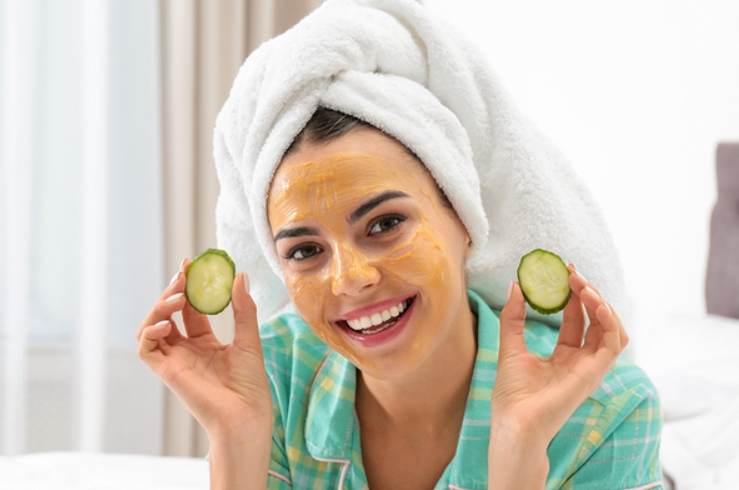
6. Hydrating Face Mask
A hydrating face mask can provide an occasional boost when your complexion looks dull or feels particularly dry.
Look for masks containing ingredients such as hyaluronic acid, aloe vera, glycerin, honey, or colloidal oatmeal. Cream and sleeping-mask formulas can be especially comfortable for dry skin.
Avoid masks that leave the skin feeling tight afterward, particularly strong clay or alcohol-heavy formulas.
Best for: Dry, dull, and dehydrated skin.
7. Nourishing Eye Cream
The skin around the eyes can appear dry and uncomfortable because it is delicate and has fewer oil glands than some other areas of the face.
A moisturizing eye cream can help improve the appearance of dryness and fine lines caused by dehydration. Look for gentle formulas containing humectants, ceramides, or nourishing emollients.
Remember that eye creams are optional. A gentle facial moisturizer may also be appropriate around the eye area if its instructions allow it.
Best for: Dry and mature-looking skin.
8. Lip Balm
Dry skin care should not stop at the face. Chapped lips can be particularly noticeable during winter or in dry climates.
Choose a lip balm containing moisturizing and protective ingredients such as petrolatum, shea butter, lanolin, or plant-based oils if they suit your skin. Reapply throughout the day as needed.
During the daytime, consider a lip product that also provides sun protection.
Best for: Dry and chapped lips.
9. Hydrating Body Lotion
Dryness can affect the entire body, particularly the hands, elbows, knees, legs, and feet. A rich body lotion or cream can help maintain softer-looking skin.
Ingredients such as glycerin, ceramides, shea butter, and urea are commonly used in products formulated for dry body skin.
Applying moisturizer shortly after bathing can help maintain comfortable, hydrated skin.
Best for: Dry and rough body skin.
10. Sunscreen for Dry Skin
Sunscreen is an essential daytime beauty product regardless of skin type. People with dry skin can choose a moisturizing sunscreen that combines sun protection with hydrating ingredients.
Cream-based sunscreens may feel more comfortable than lightweight mattifying formulas if your complexion tends to become tight or flaky.
Choose a broad-spectrum sunscreen and apply it according to the product’s directions.
Best for: All skin types, including dry skin.
Best Ingredients to Look for in Beauty Products for Dry Skin
When choosing beauty products, reading the ingredient list can be more useful than relying only on marketing claims.
Some beneficial ingredients for dry skin include:
- Hyaluronic acid: Helps attract and retain water.
- Glycerin: A humectant that supports skin hydration.
- Ceramides: Help support the skin barrier.
- Squalane: Provides lightweight emollient moisture.
- Shea butter: Helps soften and condition dry skin.
- Colloidal oatmeal: Can soothe and moisturize dry skin.
- Petrolatum: Provides an effective occlusive layer that helps reduce moisture loss.
- Urea: Often used in products designed for dry and rough skin.
Ingredients Dry Skin May Want to Avoid
Not every ingredient will work for every person. If your skin is very dry or sensitive, be cautious with products that contain high levels of fragrance, strong alcohols, or aggressive exfoliating ingredients.
Over-exfoliating is another common mistake. Scrubbing flaky skin aggressively may make dryness and irritation worse rather than creating smoother skin.
Instead, concentrate on gentle cleansing, regular moisturizing, and protecting the skin barrier.
Simple Skincare Routine for Dry Skin
A simple routine can often be more effective than using numerous products.
Morning: Start with a gentle cleanser or rinse with water if appropriate for your skin. Follow with a hydrating serum, moisturizer, and sunscreen.
Evening: Cleanse gently, apply a hydrating serum if desired, and finish with a rich moisturizer. A few drops of facial oil can be added if your skin needs additional nourishment.
Consistency is more important than having a large collection of beauty products.
Frequently Asked Questions
What are the best beauty products for dry skin?
The best products for dry skin typically include a gentle cleanser, hydrating serum, rich moisturizer, sunscreen, lip balm, and nourishing body lotion. Products containing ceramides, glycerin, hyaluronic acid, and squalane can be useful.
Which moisturizer is best for very dry skin?
A rich cream or balm containing ingredients such as ceramides, glycerin, shea butter, or petrolatum can be a good choice for very dry skin. Choose according to your personal tolerance and product instructions.
Is hyaluronic acid good for dry skin?
Yes. Hyaluronic acid is a humectant that helps attract water to the skin. For best results, use it as part of a moisturizing routine rather than relying on a serum alone.
Should dry skin use facial oil?
Facial oil can be useful for dry skin because it provides emollient moisture and can help make the skin feel softer. However, it should complement rather than necessarily replace a good moisturizer.
How often should I moisturize dry skin?
Many people with dry skin benefit from moisturizing at least twice a day, particularly after cleansing or bathing. You can apply moisturizer more frequently whenever your skin feels dry.
Is exfoliation good for dry skin?
Gentle exfoliation may help remove excess dead skin, but excessive exfoliation can damage the skin barrier and increase irritation. Dry or sensitive skin should generally avoid aggressive scrubbing.
What should I use for dry skin at night?
A gentle cleanser followed by a hydrating serum and rich moisturizer is a simple nighttime routine. If needed, an occlusive product or facial oil can provide an additional layer of moisture.
Can dry skin use makeup?
Absolutely. Choose hydrating foundations, creamy concealers, moisturizing primers, and cream-based blushes if they work well for you. Applying moisturizer before makeup can also create a smoother base.
Why does my makeup look flaky on dry skin?
Makeup may emphasize flakes when the skin underneath is dehydrated or when products have a very matte finish. Improving your moisturizing routine and choosing hydrating makeup formulas can help create a smoother appearance.
What is the most important product for dry skin?
A good moisturizer is one of the most important products for dry skin. However, sunscreen during the day and gentle cleansing are also essential parts of a balanced routine.
Final Thoughts
Finding the best beauty products for dry skin is less about buying the largest number of products and more about choosing formulas that support hydration and the skin barrier. A gentle cleanser, hydrating serum, rich moisturizer, sunscreen, and nourishing lip and body products can provide a strong foundation for a dry-skin beauty routine.
Pay attention to how your skin responds to each product, introduce new products gradually, and avoid over-exfoliating. With consistent care and the right ingredients, dry skin can look smoother, softer, and more radiant.