Finding the best beauty products for sensitive skin can be challenging. A product that works beautifully for one person may cause redness, dryness, itching, or stinging for someone with easily irritated skin. The key is not necessarily finding the most expensive product, but choosing simple formulas with ingredients that support the skin barrier while minimizing potential irritants.
Sensitive skin generally benefits from a gentle approach. Dermatologists commonly recommend fragrance-free products, mild cleansers, regular moisturizing, and daily sun protection.
Whether you are building a complete skincare routine or simply replacing a few products, these beauty essentials can help you create a simpler routine for sensitive skin.
What Should You Look for in Beauty Products for Sensitive Skin?
Before buying a product, check the ingredient list and product claims carefully.
Look for terms such as fragrance-free, non-comedogenic, and sensitive skin. Fragrance-free products can be a particularly useful choice because added fragrance may trigger irritation or allergic reactions in some people.
It is also helpful to avoid introducing several new products at once. If you experience a reaction, adding one product at a time makes it easier to identify a potential trigger.
1. Gentle Facial Cleanser
A gentle cleanser is one of the most important beauty products for sensitive skin. The goal is to remove dirt, excess oil, makeup, and sunscreen without leaving the skin feeling tight or uncomfortable.
CeraVe Hydrating Facial Cleanser is one option worth considering for normal-to-dry sensitive skin. Its formula contains ceramides and hyaluronic acid and is free of added fragrance. It is also non-comedogenic and designed to cleanse without stripping the skin’s natural moisture.
Another option is Vanicream Gentle Facial Cleanser, which is specifically formulated for sensitive skin and is free of fragrance, dyes, and several other common irritants.
2. Lightweight Facial Moisturizer
Moisturizer is essential for maintaining comfortable, hydrated skin. Sensitive skin can become particularly uncomfortable when its protective barrier is weakened.
Vanicream Daily Facial Moisturizer is a useful option for sensitive skin because it contains hyaluronic acid and five key ceramides. It is non-comedogenic, fragrance-free, and designed to provide lightweight hydration.
Another popular option is La Roche-Posay Toleriane Double Repair Face Moisturizer, which is formulated around barrier-supporting ingredients and is designed for sensitive skin. Fragrance-free moisturizers are generally a good starting point for people who experience irritation easily.
3. Mineral Sunscreen
Sunscreen should be an important part of your morning beauty routine. Sun protection helps reduce the risk of sunburn and contributes to protecting skin from premature aging and other sun-related damage. Dermatologists generally recommend broad-spectrum SPF 30 or higher.
Sensitive skin may respond well to mineral sunscreen formulas containing ingredients such as zinc oxide. However, sunscreen preferences are highly individual, so look for a formula that feels comfortable and does not cause irritation.
Vanicream also offers a facial moisturizer with broad-spectrum SPF 30 and non-nano zinc oxide, providing hydration and sun protection in one product.
4. Fragrance-Free Body Moisturizer
Sensitive skin is not limited to the face. Your arms, legs, hands, and other areas can also become dry and irritated.
A fragrance-free body moisturizer can help maintain hydration, particularly after bathing or showering. Applying moisturizer while the skin is still slightly damp can help retain moisture.
Vanicream Moisturizing Cream is one option designed for dry and sensitive skin. The brand states that its moisturizers are free from fragrance, dyes, masking fragrance, lanolin, parabens, and formaldehyde releasers.
5. Gentle Lip Balm
Lips can become dry and irritated easily, especially during cold or dry weather.
Instead of choosing a heavily scented or flavored lip product, consider a simple moisturizing balm or plain petroleum jelly. These products can help reduce moisture loss and protect dry lips.
If a particular lip product repeatedly causes burning, peeling, or irritation, discontinue it and try a simpler formula.
6. Sensitive-Skin Makeup
Sensitive skin does not mean you have to give up makeup. The key is choosing formulas carefully.
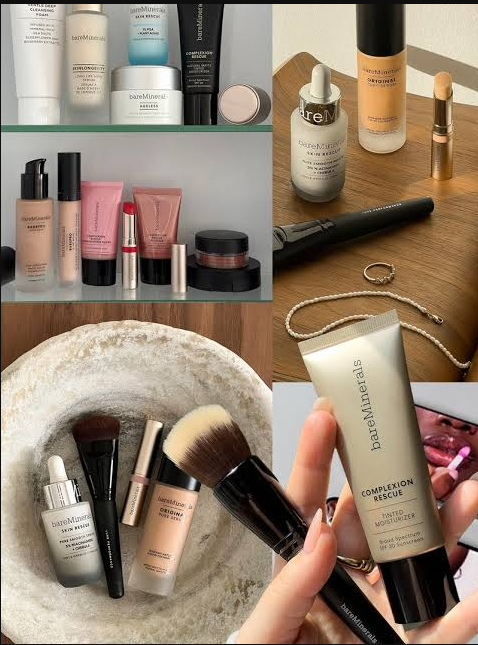
When shopping for foundation, concealer, blush, or other cosmetics, look for products labeled fragrance-free and non-comedogenic when appropriate. Avoid products that repeatedly cause itching, burning, or redness.
Keep makeup brushes and applicators clean, and replace products according to their recommended usage periods. Dirty applicators can accumulate oils, makeup residue, and microorganisms.
For particularly reactive skin, a minimalist makeup routine may be easier to tolerate than layering many products.
7. Gentle Vitamin C Products
Vitamin C is a popular ingredient in beauty products designed to brighten the appearance of the skin and improve uneven-looking tone.
However, some vitamin C formulas can feel irritating, particularly when they are highly concentrated or combined with other active ingredients.
If you have sensitive skin, consider starting with a gentle formula and introducing it gradually.
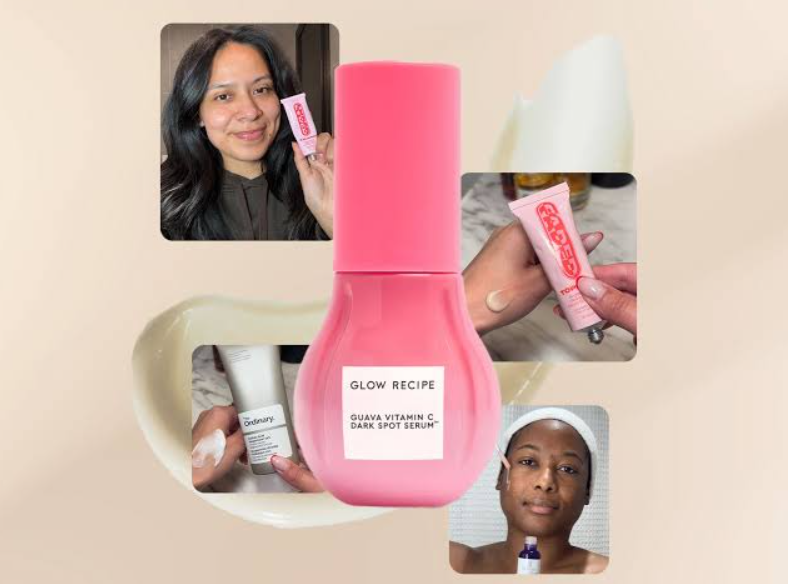
Vanicream currently offers a vitamin C serum specifically formulated for sensitive skin, using a vitamin C derivative alongside ceramides.
8. Barrier-Supporting Ingredients
When shopping for sensitive-skin beauty products, ingredients can be more important than marketing claims.
Ceramides are commonly used in products designed to support the skin barrier.
Hyaluronic acid can help attract and retain moisture.
Glycerin is another common moisturizing ingredient.
Niacinamide may be useful in some sensitive-skin routines, although individual reactions can vary.
A product containing a long list of active ingredients is not necessarily better. A simple formula that your skin tolerates well may be much more useful.
Ingredients and Products to Approach Carefully
Sensitive skin can react to many different ingredients, so there is no universal list of products everyone must avoid.
However, fragrance is a common consideration. The American Academy of Dermatology recommends fragrance-free products for people with sensitive or dry skin because fragrance can trigger irritation or allergic reactions.
Strong exfoliating acids, abrasive scrubs, essential oils, and highly active formulas may also be difficult for some sensitive skin types.
If a product causes persistent burning, swelling, severe redness, or another concerning reaction, stop using it and consider seeking professional medical advice.
Simple Beauty Routine for Sensitive Skin
A simple routine is often the best starting point.
Morning:
- Gentle cleanser, if needed
- Fragrance-free moisturizer
- Broad-spectrum SPF 30 or higher sunscreen
Evening:
- Gentle cleanser
- Moisturizer
- Optional targeted treatment if your skin tolerates it
You do not need a 10-step routine to have healthy-looking skin. Dermatologists emphasize that consistency can matter more than using a large number of products.
How to Introduce New Products
When you have sensitive skin, avoid changing your entire routine at once.
Introduce one new product at a time and give your skin an opportunity to respond. If you are particularly reactive or have a history of allergies, consider discussing new products with a dermatologist.
Always follow the product’s directions and remember that “hypoallergenic” does not guarantee that a product cannot cause an allergic reaction.
Frequently Asked Questions
What are the best beauty products for sensitive skin?
Gentle, fragrance-free cleansers, moisturizers, sunscreens, and simple makeup formulas are generally good starting points. CeraVe and Vanicream offer several products specifically designed for sensitive skin.
Is fragrance-free better for sensitive skin?
Fragrance-free products can be a good choice for sensitive skin because added fragrance may cause irritation or allergic reactions in some people.
What moisturizer is best for sensitive skin?
Look for a gentle, fragrance-free moisturizer containing hydrating and barrier-supporting ingredients such as ceramides and hyaluronic acid. Vanicream Daily Facial Moisturizer is one example.
Should sensitive skin use sunscreen?
Yes. Daily sun protection is an important part of skincare. Choose a broad-spectrum sunscreen with SPF 30 or higher and select a formula your skin tolerates comfortably.
Can people with sensitive skin wear makeup?
Yes. Choose simple, fragrance-free formulas where possible, keep makeup tools clean, and discontinue products that cause irritation.
What ingredients are good for sensitive skin?
Ceramides, glycerin, and hyaluronic acid are commonly used in gentle moisturizing products. Some people may also tolerate niacinamide and carefully formulated vitamin C products.
How do I know if a beauty product is irritating my skin?
Burning, stinging, itching, redness, swelling, or unusual dryness after application can indicate irritation or sensitivity. Stop using a product that causes a concerning reaction.
How many skincare products should I use?
Sensitive skin often benefits from a simple routine. Start with a cleanser, moisturizer, and sunscreen before adding optional treatments.
Final Thoughts
The best beauty products for sensitive skin are not necessarily the most expensive or trendiest options. The best choices are products that provide the benefits you need while remaining comfortable and well tolerated by your skin.
Start with the basics: a gentle cleanser, fragrance-free moisturizer, and broad-spectrum sunscreen. From there, you can gradually add makeup or targeted treatments if your skin tolerates them.
When in doubt, choose simplicity. Read ingredient labels, introduce new products gradually, and remember that skincare is highly individual. If you experience persistent or severe reactions, a dermatologist can help identify potential triggers and create a routine suited to your skin.