
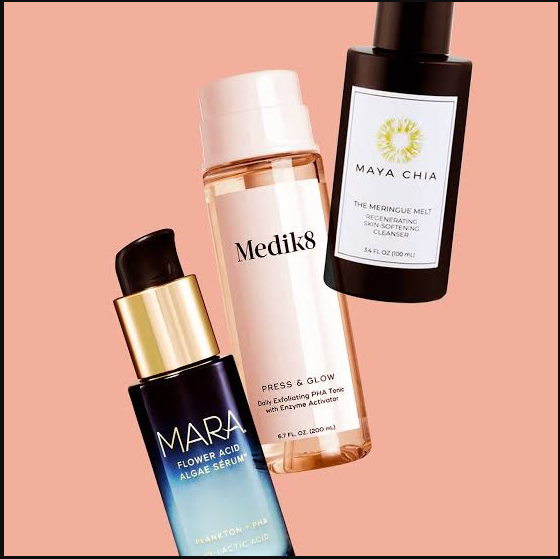
Exfoliation is an important part of a healthy skincare routine because it helps remove dead skin cells, improve skin texture, and create a smoother-looking complexion. However, people with sensitive skin often avoid exfoliating because many products can cause redness, dryness, burning, or irritation.
The key to exfoliating sensitive skin successfully is choosing gentle formulas, using them correctly, and avoiding overly harsh ingredients. The best exfoliator for sensitive skin should improve the appearance of dullness and rough texture while protecting the skin barrier.
This guide explains how to choose a gentle exfoliator, which ingredients work best for sensitive skin, and how to build an irritation-free exfoliation routine.
Why Sensitive Skin Needs Gentle Exfoliation
Sensitive skin reacts more easily to skincare products and environmental factors. The skin barrier may be more vulnerable, making it easier for strong exfoliating ingredients or rough scrubs to cause discomfort.
Gentle exfoliation can help sensitive skin by:
- Removing dead skin buildup
- Improving skin smoothness
- Enhancing the appearance of brightness
- Helping skincare products absorb better
- Reducing the look of uneven texture
However, exfoliating too aggressively can damage the skin barrier and lead to dryness, redness, and sensitivity.
Types of Exfoliators for Sensitive Skin
There are three main types of exfoliators:
- Physical exfoliators
- Chemical exfoliators
- Enzyme exfoliators
For sensitive skin, gentle chemical or enzyme exfoliators are often preferred because they can provide exfoliation without harsh rubbing.
1. Enzyme Exfoliators: The Gentlest Option
Enzyme exfoliators are often a great choice for sensitive skin because they use natural enzymes to break down dead skin cells.
Common enzymes include:
Papaya Enzymes
Papain, derived from papaya, helps gently remove surface buildup and improve the appearance of dull skin.
Pineapple Enzymes
Bromelain, found in pineapple, provides gentle exfoliating benefits while helping skin look smoother.
Pumpkin Enzymes
Pumpkin enzymes are commonly used in gentle exfoliating formulas designed to refresh the complexion.
Enzyme exfoliators are usually less abrasive than physical scrubs, making them suitable for people who experience irritation easily.
2. Lactic Acid: A Gentle Chemical Exfoliator
Lactic acid is one of the best exfoliating ingredients for sensitive skin because it is an alpha-hydroxy acid (AHA) that works gently on the skin’s surface.
Benefits of lactic acid include:
- Improving the appearance of rough texture
- Supporting smoother-looking skin
- Helping with dullness
- Providing mild hydration
Compared with stronger acids, lactic acid is often considered a more sensitive-skin-friendly option when used properly.
3. PHA Exfoliators: Ideal for Sensitive Skin
Polyhydroxy acids (PHAs) are gentle exfoliating ingredients that work more slowly than traditional acids.
Popular PHAs include:
- Gluconolactone
- Lactobionic acid
PHAs are known for being suitable for sensitive skin because they tend to remain closer to the skin surface and are less likely to cause irritation.
They can help improve:
- Skin texture
- Dryness
- Dull appearance
- Uneven-looking complexion
4. Gentle Physical Exfoliators
Physical exfoliators use small particles to remove dead skin cells through gentle rubbing.
For sensitive skin, avoid harsh scrubs containing large or rough particles.
If choosing a physical exfoliator, look for:
- Very fine particles
- Soft textures
- Hydrating formulas
Avoid ingredients such as rough nut shells or coarse particles that may create tiny scratches and irritation.
Ingredients to Avoid for Sensitive Skin
Some exfoliating products can be too strong for sensitive skin.
Be cautious with:
High Concentrations of Acids
Strong acid formulas may cause:
- Burning
- Redness
- Peeling
- Increased sensitivity
Harsh Scrubs
Rough particles can damage the skin surface and worsen irritation.
Strong Fragrances
Fragrance may trigger reactions in some sensitive skin types.
Overuse of Active Ingredients
Using multiple exfoliating products together can weaken the skin barrier.
How Often Should Sensitive Skin Be Exfoliated?
Sensitive skin usually does not need frequent exfoliation.
A good starting point is:
- Once per week
If your skin responds well, you may increase frequency gradually depending on the product and your skin’s needs.
Signs you may be exfoliating too often include:
- Increased redness
- Dry patches
- Stinging when applying products
- Tight or uncomfortable skin
If these signs appear, reduce exfoliation and focus on repairing your skin barrier.
How to Use an Exfoliator Without Irritation
Follow these steps for safer exfoliation:
Step 1: Start With Clean Skin
Wash your face with a gentle cleanser before applying an exfoliating product.
Step 2: Apply a Small Amount
Using too much product does not improve results and may increase irritation.
Step 3: Follow Product Instructions
Different exfoliators have different usage recommendations. Avoid leaving products on longer than suggested.
Step 4: Moisturize After Exfoliating
A nourishing moisturizer helps support the skin barrier after exfoliation.
Look for ingredients such as:
- Ceramides
- Hyaluronic acid
- Glycerin
- Panthenol
Step 5: Use Sunscreen Daily
Exfoliated skin can be more sensitive to sunlight. Daily sunscreen helps protect the skin from UV damage.
Best Exfoliation Routine for Sensitive Skin
A simple routine can provide effective results without overwhelming your skin.
Evening Exfoliation Routine:
- Gentle cleanser
- Mild exfoliator
- Hydrating serum
- Moisturizer
Avoid using exfoliators on the same night as other strong treatments unless recommended.
Natural Exfoliating Options for Sensitive Skin
Some natural ingredients can provide gentle exfoliating benefits.
Oatmeal
Finely ground oatmeal can help remove surface buildup while soothing the skin.
Honey
Honey provides hydration and contains natural enzymes that may support smoother-looking skin.
Yogurt
Yogurt contains lactic acid, which can gently exfoliate and soften the skin.
Always patch test natural ingredients before applying them to your entire face.
Choosing the Right Exfoliator Based on Your Skin Concerns
For Dry Sensitive Skin
Choose:
- Lactic acid
- PHAs
- Hydrating enzyme formulas
Avoid drying exfoliators.
For Redness-Prone Skin
Choose:
- Gentle enzymes
- Soothing formulas
- Barrier-supporting ingredients
Avoid strong acids and scrubbing.
For Sensitive Combination Skin
Choose:
- Low-strength chemical exfoliants
- Lightweight formulas
- Occasional use
Focus on maintaining balance rather than removing all oil.
Common Exfoliation Mistakes to Avoid
Avoid these mistakes to protect sensitive skin:
- Exfoliating every day
- Scrubbing too hard
- Using multiple acids together
- Skipping moisturizer
- Forgetting sunscreen
- Applying exfoliators on irritated skin
A gentle approach usually creates better long-term results.
Final Thoughts
The best exfoliator for sensitive skin without irritation is one that gently removes dead skin cells while protecting the skin barrier. Ingredients like lactic acid, PHAs, and natural enzymes can provide effective exfoliation without the harsh effects of aggressive scrubs.
Sensitive skin does not require strong treatments to look smooth and healthy. A simple routine, careful product selection, and consistent use can help improve skin texture while keeping irritation under control.
The goal of exfoliation is not to remove everything from your skin—it is to support a balanced, comfortable, and naturally glowing complexion.