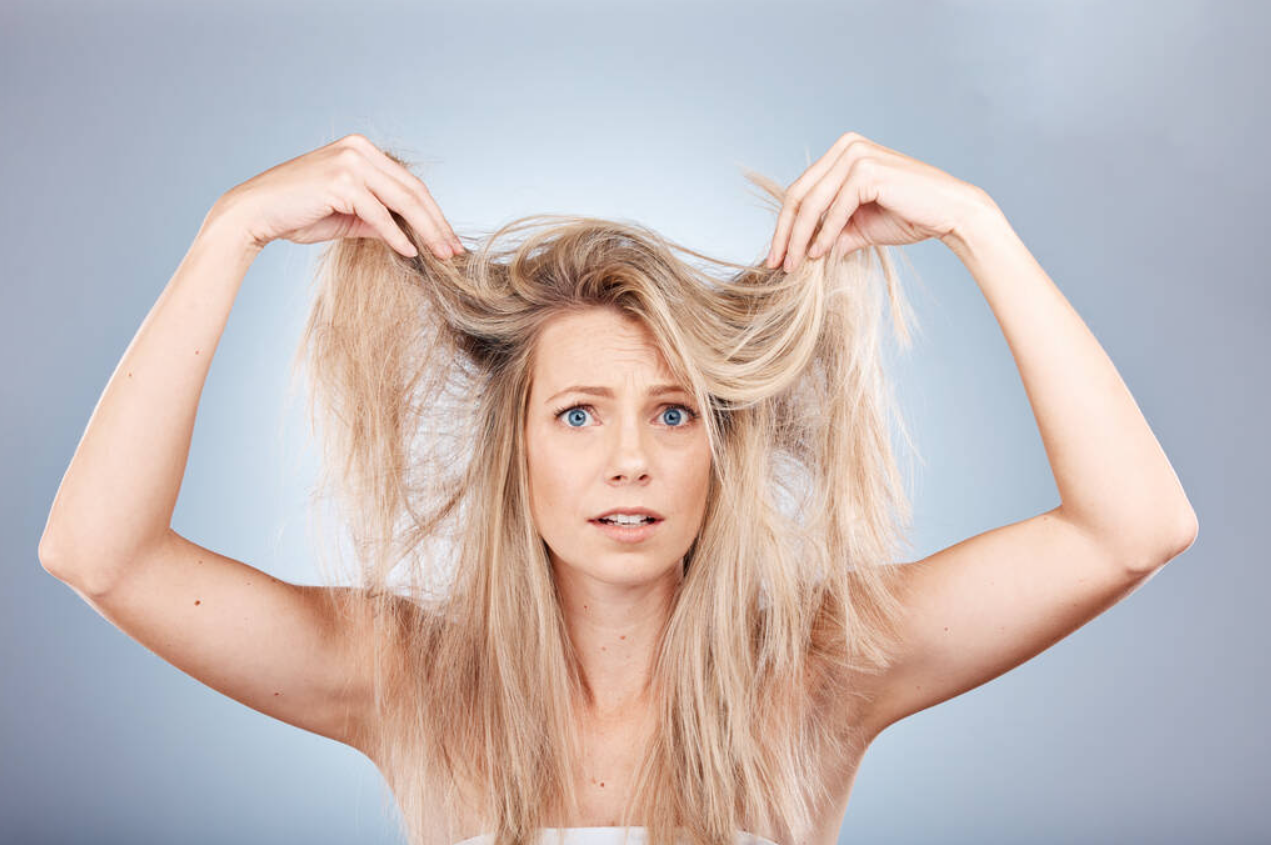
Dry and damaged hair can look dull, feel rough, and become difficult to manage. Frequent heat styling, coloring, chemical treatments, excessive washing, sun exposure, and lack of moisture can all contribute to dry, brittle hair.
The best hair care routine for dry damaged hair focuses on restoring moisture, reducing breakage, protecting the hair from further damage, and handling it gently. You do not need dozens of products to improve the appearance of dry hair. A consistent routine with the right shampoo, conditioner, hair mask, and protective habits can make a noticeable difference.
Remember that severely damaged hair cannot be completely repaired once the hair shaft has been significantly broken. However, proper care can improve its appearance, reduce further damage, and help healthy new hair grow.
What Causes Dry and Damaged Hair?
Hair can become dry or damaged for many reasons.
Common causes include:
- Frequent heat styling
- Hair coloring or bleaching
- Chemical straightening
- Excessive shampooing
- Washing with very hot water
- Sun exposure
- Chlorine or salt water
- Tight hairstyles
- Rough brushing
- Lack of conditioning
- Frequent use of hair sprays or styling products
Identifying the cause of dryness is an important part of improving your hair care routine.
Best Hair Care Routine for Dry Damaged Hair
A simple routine can help reduce dryness and make damaged hair easier to manage.
Step 1: Choose a Gentle Shampoo
The first step is choosing a shampoo that cleans your scalp without making your hair excessively dry.
If your hair is dry, you may not need to shampoo every day. Washing too frequently can leave the lengths feeling dry, particularly if you already use heat or chemical treatments.
Focus shampoo primarily on your scalp rather than aggressively rubbing the ends.
Look for moisturizing or gentle formulas containing ingredients such as glycerin, aloe vera, or conditioning agents.
Step 2: Always Use Conditioner
Conditioner is essential for dry and damaged hair.
Apply it mainly to the mid-lengths and ends, where hair is often driest.
Leave it on for the amount of time recommended on the product before rinsing.
| Hair Care Product | Main Purpose | How Often |
|---|---|---|
| Gentle shampoo | Cleans the scalp | As needed |
| Conditioner | Adds softness and moisture | Every wash |
| Hair mask | Intensive conditioning | 1–2 times weekly |
| Leave-in conditioner | Helps with softness and manageability | As needed |
| Hair oil | Helps reduce dryness and adds shine | As needed |
| Heat protectant | Helps protect against styling heat | Every heat-styling session |
Step 3: Use a Deep Conditioning Hair Mask
A hair mask can provide additional conditioning when your hair feels particularly dry.
Use a moisturizing hair mask once or twice a week, depending on your hair’s needs.
Apply the mask mainly to the lengths and ends rather than the scalp if your scalp becomes oily easily.
Ingredients commonly found in moisturizing hair masks include:
- Shea butter
- Coconut oil
- Argan oil
- Avocado oil
- Glycerin
- Aloe vera
- Plant-based conditioning ingredients
If your hair becomes heavy or greasy, reduce how much product you use or how frequently you apply it.
Step 4: Use a Leave-In Conditioner
A leave-in conditioner can make dry hair easier to detangle and style.
Apply a small amount to damp hair, concentrating on the mid-lengths and ends.
Leave-in products can help improve softness and manageability, particularly for curly, wavy, or coarse hair.
Avoid applying too much product at once because it can make fine hair look greasy or weighed down.
Step 5: Apply Hair Oil Carefully
Hair oils can help add shine and reduce the feeling of dryness.
Popular options include argan oil, jojoba oil, coconut oil, and other lightweight hair oils.
You can apply a small amount to the ends after washing or before shampooing, depending on the product and your hair type.
Remember that oil does not replace water-based hydration or conditioner. It is best viewed as an additional conditioning and smoothing step.
Step 6: Reduce Heat Styling
One of the most useful changes for damaged hair is reducing frequent exposure to heat.
Hair dryers, straighteners, curling irons, and other hot tools can contribute to dryness and breakage.
When possible:
- Let your hair air-dry partially or completely.
- Use the lowest comfortable heat setting.
- Avoid repeatedly passing a flat iron over the same section.
- Use a heat protectant before heat styling.
- Give your hair regular breaks from hot tools.
If you regularly use heat, heat protection should be an essential part of your routine.
Step 7: Be Gentle With Wet Hair
Wet hair is more vulnerable to stretching and breakage.
After washing, avoid aggressively rubbing your hair with a towel.
Instead, gently squeeze out excess water and use a soft towel or microfiber towel.
When detangling, start at the ends and gradually work your way toward the roots.
A wide-tooth comb can be useful for gently detangling wet or damp hair.
Best Ingredients for Dry Damaged Hair
Choosing the right ingredients can make your routine more effective.
| Ingredient | Potential Benefit | Best For |
|---|---|---|
| Shea butter | Rich conditioning | Very dry hair |
| Argan oil | Softness and shine | Dry or frizzy hair |
| Coconut oil | Conditioning | Dry, coarse hair |
| Glycerin | Helps attract moisture | Dry hair |
| Aloe vera | Lightweight hydration | Dry or normal hair |
| Jojoba oil | Lightweight conditioning | Dry ends |
| Panthenol | Conditioning and moisture | Dry, rough hair |
| Ceramides | Hair conditioning | Damaged-looking hair |
Your hair does not need every ingredient listed above. Choose products based on your hair’s texture and specific needs.
How Often Should You Wash Dry Damaged Hair?
There is no universal washing schedule.
People with very dry or curly hair may prefer washing less frequently, while people with oily scalps may need to wash more often.
The important thing is to keep your scalp clean without making your lengths excessively dry.
If your scalp becomes oily, itchy, uncomfortable, or develops significant buildup, adjust your washing frequency accordingly.
Best Routine for Different Hair Types
Dry Straight Hair
Use a gentle shampoo, moisturizing conditioner, and lightweight leave-in conditioner.
Shampoo → Conditioner → Leave-in conditioner → Small amount of oil
Dry Curly Hair
Curly hair often benefits from additional moisture and careful detangling.
Gentle shampoo → Deep conditioner → Leave-in conditioner → Curl product
Avoid excessive brushing, particularly when the hair is dry.
Fine Dry Hair
Fine hair can become weighed down easily.
Choose lightweight moisturizing products and use smaller amounts of oil or heavy creams.
Thick or Coarse Dry Hair
Thicker hair may benefit from richer conditioners, hair masks, and oils.
Focus extra moisture on the mid-lengths and ends.
Natural Ways to Care for Dry Damaged Hair
You can incorporate simple habits into your routine without relying on complicated DIY treatments.
Use Lukewarm Water
Very hot water can make dry hair and scalp feel uncomfortable. Lukewarm water is a gentler option.
Protect Your Hair While Sleeping
A satin or silk pillowcase may help reduce friction while you sleep. You can also loosely braid or tie long hair before bed.
Avoid tight hairstyles that pull on the hair.
Trim Split Ends
Regular trims can remove visibly split ends and help your hairstyle look healthier.
Trimming does not make damaged hair grow faster, but it can prevent split ends from traveling farther up the hair shaft.
Protect Hair From the Sun
Extended sun exposure can make hair feel dry and affect colored hair.
Consider wearing a hat when spending long periods in strong sunlight.
What to Avoid With Dry Damaged Hair
Certain habits can make dryness and breakage worse.
Avoid:
- Excessive heat styling
- Very hot showers
- Aggressive brushing
- Tight hairstyles
- Frequent bleaching
- Repeated chemical treatments
- Overwashing
- Rough towel drying
- Excessive use of styling products
- Picking at split ends
Reducing damage is just as important as adding moisturizing products.
How Long Does It Take to Improve Dry Damaged Hair?
The timeline depends on how dry or damaged your hair is and what is causing the problem.
Conditioning products can make hair feel softer after one use, but improving the overall appearance of damaged hair requires consistent care.
Because the visible hair shaft is not living tissue, severely damaged sections cannot be completely restored to their original condition. Regular trims and gentle care can help while new, healthier hair grows.
Simple Weekly Hair Care Schedule
A simple schedule can make your routine easier to follow.
| Day | Hair Care |
|---|---|
| Monday | Gentle shampoo + conditioner |
| Tuesday | Leave-in conditioner if needed |
| Wednesday | Hair oil or pre-shampoo treatment |
| Thursday | Gentle shampoo + conditioner |
| Friday | Rest from styling |
| Saturday | Deep conditioning hair mask |
| Sunday | Gentle detangling and scalp care |
This is only an example. Adjust your routine according to your hair type, scalp condition, and washing needs.
FAQs About Hair Care for Dry Damaged Hair
1. What is the best hair care routine for dry damaged hair?
Use a gentle shampoo, conditioner every time you wash, a deep-conditioning mask once or twice a week, and a leave-in conditioner when needed. Reduce heat styling and handle your hair gently.
2. Can damaged hair be completely repaired?
Severely damaged hair cannot be permanently restored to its original condition. However, conditioning products can improve its appearance and manageability, while trimming and gentle care can help prevent further damage.
3. How often should I use a hair mask?
For many people with dry hair, once or twice a week is sufficient. If your hair becomes heavy or greasy, reduce the frequency.
4. Is coconut oil good for dry damaged hair?
Coconut oil can provide conditioning benefits for some hair types. However, it may feel heavy on fine hair, so use a small amount and see how your hair responds.
5. Should I oil my hair before or after washing?
Either approach can work depending on the oil and your hair type. A small amount can be used on the lengths before washing, while a tiny amount can also be applied to the ends after washing for added softness.
6. How can I prevent hair breakage?
Reduce heat styling, avoid tight hairstyles, detangle gently, condition regularly, and avoid aggressive towel drying. Regular trims can also help manage split ends.
7. Is it okay to use a hair dryer on damaged hair?
You can use a hair dryer, but reduce the heat and avoid holding it too close to the hair. Always use a suitable heat protectant when using heat styling tools.
8. What is the best shampoo for dry damaged hair?
Look for a gentle, moisturizing shampoo that cleans your scalp without leaving your hair feeling excessively stripped or dry.
9. How can I make dry hair soft naturally?
Regular conditioning, gentle washing, reducing heat, using a suitable leave-in conditioner, and applying a small amount of hair oil can help improve softness and manageability.
10. How often should damaged hair be trimmed?
There is no single schedule that works for everyone. Trim when you notice significant split ends or when you want to maintain a particular hairstyle. Trimming removes damaged ends but does not repair damage higher up the hair shaft.
Final Thoughts
The best hair care routine for dry damaged hair is built around moisture, gentle handling, and preventing additional damage. Start with a mild shampoo, condition your hair every time you wash it, use a deep-conditioning mask regularly, and protect your hair from excessive heat.
Small habits can make a big difference. Avoid aggressive brushing, tight hairstyles, excessive chemical treatments, and very hot water. Give your hair time to recover and consider regular trims for severely damaged ends.
With consistent care, you can improve the softness, shine, manageability, and overall appearance of dry damaged hair while supporting healthier-looking hair as it grows.