Starting a makeup routine can feel overwhelming because there are so many products, shades, formulas, and tools available. Beginners often wonder which products they actually need and which ones can be skipped. The good news is that you do not need a large makeup collection to create a polished everyday look.
The best makeup products for beginners are easy to use, versatile, and suitable for your skin type. A simple collection can include foundation or skin tint, concealer, blush, mascara, brow products, lip color, and setting powder. Once you become comfortable with these basics, you can gradually experiment with eyeshadow, eyeliner, highlighter, and other products.
1. Start With a Good Makeup Primer
A makeup primer can create a smooth base before applying other makeup. Some primers are designed to control shine, while others focus on hydration or smoothing the appearance of texture.
Beginners do not necessarily need primer for every makeup look. However, it can be useful if your makeup tends to fade quickly or if you want a particular finish.
Choose a primer according to your skin type. Hydrating formulas may work well for dry skin, while lightweight or mattifying formulas can be comfortable for oily skin.
2. Choose Foundation or Skin Tint
Foundation is one of the most recognizable makeup products, but beginners do not always need a full-coverage formula.
A lightweight foundation or skin tint can provide a more natural appearance and may be easier to apply evenly.
When choosing foundation, consider your skin tone, undertone, skin type, and preferred finish. Test the shade carefully when possible rather than choosing a color based only on the packaging.
If you prefer minimal makeup, a tinted moisturizer or skin tint can be a simple alternative.
3. Use Concealer Where Needed
Concealer can be used to cover the appearance of blemishes, redness, or areas of uneven tone.
Beginners can apply a small amount rather than covering the entire face. This creates a more natural-looking result and keeps the routine simple.
Choose a concealer that blends well with your foundation or skin tone. For under-eye areas, a comfortable hydrating formula may be preferable.
4. Add Blush for a Fresh Look
Blush can add color and dimension to the face. It is available in powder, cream, liquid, and stick formulas.
For beginners, cream or powder blush can be easy to incorporate into a basic routine. Start with a small amount and build the color gradually.
Peach, pink, rose, and berry shades can create different effects depending on your complexion and overall makeup style.
5. Choose an Easy-to-Use Mascara
Mascara can make the eyes appear more defined without requiring complicated eye makeup skills.
Look for a formula that matches your needs. Some mascaras focus on length, while others emphasize volume or curling.
Apply carefully from the roots toward the tips of the lashes. Avoid repeatedly pumping the mascara wand into the tube because this can introduce air and dry out the product.
Replace old eye makeup according to the manufacturer’s recommendations.
6. Use a Simple Brow Product
Well-defined brows can frame the face and complete a makeup look.
Beginners can choose between brow pencils, powders, gels, or tinted brow products. A brow gel may be particularly easy if you want a quick and natural-looking result.
Avoid drawing overly strong lines. Use light strokes and follow the natural direction of your brows.
7. Try a Neutral Eyeshadow Palette
Beginners do not need a large collection of colorful eyeshadows.
A small neutral palette with shades such as beige, brown, taupe, and soft shimmer can create several everyday looks.
Start with one light shade across the lid and gradually experiment with a slightly darker shade in the crease or outer corner.
Neutral colors are versatile and can be easier to blend while you are learning.
8. Add Eyeliner Gradually
Eyeliner can define the eyes, but it may take practice to apply evenly.
Pencil eyeliner is often a comfortable starting point because it can create a softer appearance than a very precise liquid liner.
Start with a thin line close to the lash line. As your technique improves, you can experiment with wings and different eyeliner styles.
9. Pick a Comfortable Lip Product
Lip products are available in many forms, including lipstick, lip gloss, lip balm, lip stain, and lip liner.
For beginners, tinted lip balm or lip gloss can be particularly easy to apply.
If you prefer lipstick, start with shades that complement your natural coloring and everyday style.
A neutral pink, nude, rose, or berry shade can be versatile for different occasions.
10. Use Setting Powder Carefully
Setting powder can help reduce excess shine and help makeup stay in place.
It is particularly useful for people with oily or combination skin.
However, applying too much powder can make makeup look dry or heavy. Use a small amount and concentrate it on areas that tend to become shiny.
People with dry skin may prefer to use little or no powder on areas that already feel dry.
Best Makeup Products for Beginners
| Makeup Product | Main Purpose | Beginner-Friendly Option |
|---|---|---|
| Primer | Prepares the skin | Lightweight primer |
| Foundation | Evens complexion | Light or medium coverage |
| Skin tint | Natural coverage | Lightweight tinted formula |
| Concealer | Covers specific areas | Creamy blendable concealer |
| Blush | Adds facial color | Cream or powder blush |
| Mascara | Defines lashes | Lengthening or natural mascara |
| Brow product | Defines brows | Brow pencil or gel |
| Eyeshadow | Adds eye definition | Small neutral palette |
| Eyeliner | Defines eyes | Pencil liner |
| Lip product | Adds color | Tinted balm or gloss |
| Setting powder | Controls shine | Lightweight translucent powder |
Choose Makeup According to Your Skin Type
Your skin type can affect how makeup looks and feels throughout the day.
Oily Skin
People with oily skin may prefer lightweight, long-wearing, or oil-control formulas. Setting powder can also help reduce visible shine.
Dry Skin
Hydrating primers, foundations, and cream-based products may be more comfortable for dry skin. Excessive powder can emphasize dry areas.
Combination Skin
Combination skin may benefit from using different products or application techniques on different areas of the face.
Sensitive Skin
If your skin is sensitive, introduce new makeup products one at a time. Choose gentle formulas and stop using a product if it causes persistent irritation.
Don’t Forget Makeup Tools
Beginners do not need dozens of brushes.
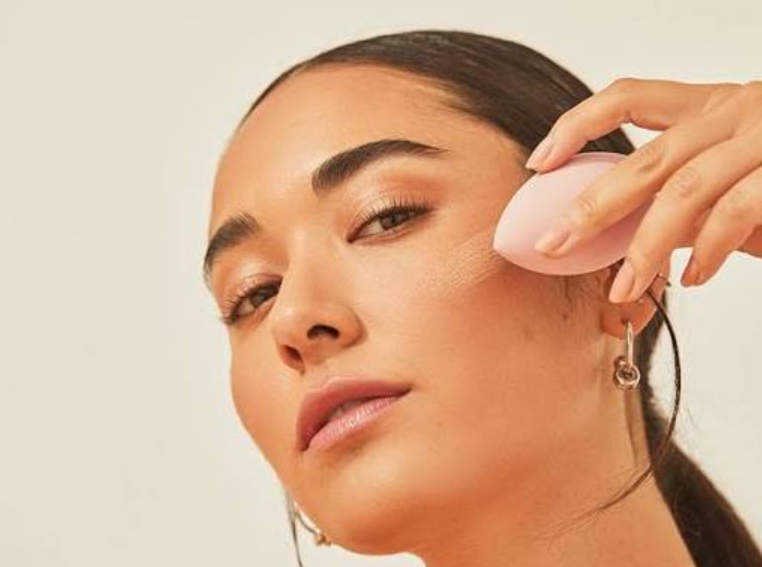
A basic collection can include a makeup sponge, foundation brush, blush brush, and a small eyeshadow brush.
Clean your brushes and reusable makeup tools regularly. Dirty tools can accumulate makeup residue, oil, and other buildup.
Avoid sharing personal makeup products and tools, particularly products used around the eyes.
How to Build a Simple Beginner Makeup Routine
Start by preparing clean, moisturized skin.
Apply primer if you want to use one, followed by foundation or skin tint. Use concealer only where additional coverage is needed.
Add blush, lightly define your brows, and apply mascara. If desired, add neutral eyeshadow and a simple lip product.
Finish with setting powder in areas where you need additional shine control.
You can adjust the routine based on the occasion. Everyday makeup can remain simple, while special events may include additional eye makeup, contour, highlighter, or stronger lip color.
Avoid Buying Too Much Makeup at Once
It can be tempting to purchase many products when starting makeup.
Instead, begin with a few essential products and learn how each one works. This makes it easier to understand your preferences and prevents your makeup collection from becoming unnecessarily large.
Once you know which formulas and shades work for you, you can gradually add new products.
Practice Is the Best Way to Improve
Makeup application is a skill that becomes easier with practice.
Try different techniques in natural lighting and take your time when learning a new product. Do not worry if your first few attempts are not perfect.
Start with simple looks before experimenting with more advanced techniques such as winged eyeliner, contouring, cut creases, or bold eyeshadow.
Conclusion
The best makeup products for beginners are products that are easy to use, versatile, and suitable for your personal style and skin type.
A simple beginner collection can include foundation or skin tint, concealer, blush, mascara, a brow product, neutral eyeshadow, lip color, and setting powder. You can add primer, eyeliner, highlighter, or other products as your skills develop.
The goal is not to own every makeup product available. Instead, focus on learning how each product works and creating a routine that makes you feel comfortable and confident.
With a few reliable products and regular practice, anyone can build an easy everyday makeup routine.
FAQs
What makeup products should a beginner buy first?
Start with foundation or skin tint, concealer, blush, mascara, a brow product, lip color, and optionally setting powder.
What is the easiest makeup product for beginners?
Tinted lip balm, cream blush, brow gel, and mascara are generally simple products to incorporate into an everyday routine.
Do beginners need primer?
No. Primer is optional. It can be useful for hydration, smoothing, or shine control, but you can create a good makeup look without it.
Should beginners use foundation?
Foundation is optional. A skin tint, tinted moisturizer, or concealer-only approach can provide lighter coverage.
What eyeshadow is best for beginners?
A small neutral palette with easy-to-blend shades such as beige, brown, taupe, and soft shimmer is a versatile starting point.
What makeup should beginners avoid?
There is no universal product beginners must avoid. However, very complicated techniques and large collections of products can make learning more difficult.
How can beginners make makeup look natural?
Use small amounts of product, blend carefully, choose suitable shades, and build coverage gradually instead of applying heavy layers.
How often should makeup brushes be cleaned?
Makeup brushes should be cleaned regularly, especially those used with liquid or cream products. Eye makeup tools also require careful hygiene.