Finding the best moisturizers for oily skin can be confusing. Many people with oily skin worry that using moisturizer will make their complexion even greasier or contribute to clogged pores. However, skipping moisturizer altogether can leave the skin feeling dehydrated and uncomfortable.
The key is to choose a lightweight moisturizer that provides hydration without feeling heavy or overly greasy. Gel creams, water-based lotions, and lightweight formulas with ingredients such as glycerin, hyaluronic acid, niacinamide, and ceramides can be excellent options for oily skin.
In this guide, we’ll explore what to look for in a moisturizer, which ingredients may work well, common mistakes to avoid, and how to build a simple moisturizing routine for oily skin.
Why Oily Skin Needs Moisturizer
Oily skin produces more sebum than many other skin types, but that does not mean it has enough water. Oil and hydration are different things.
When oily skin becomes dehydrated, it may feel tight while still appearing shiny. Some people may respond by using harsh cleansers or repeatedly washing their face, which can make the skin feel even more uncomfortable.
A suitable moisturizer helps provide hydration and supports the skin barrier without adding unnecessary heaviness. The goal is not to eliminate all oil from your skin but to maintain a comfortable balance.
1. Gel Moisturizers
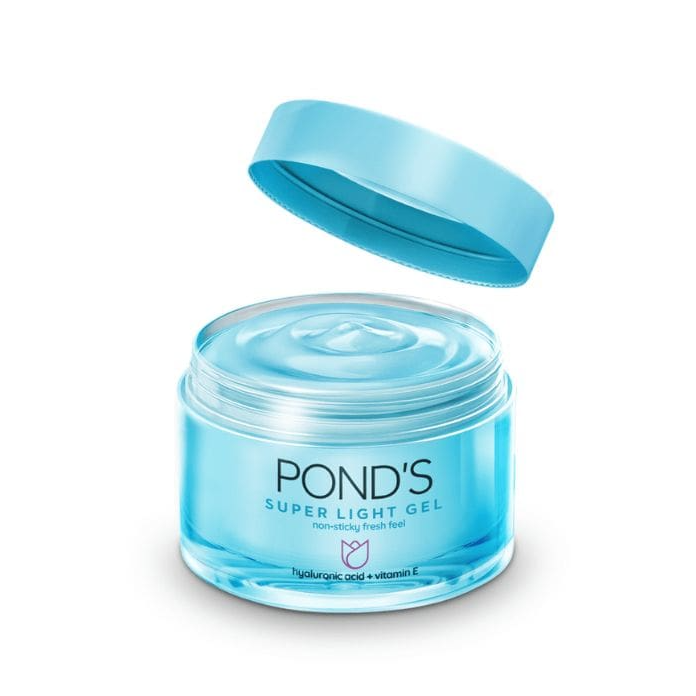
Gel moisturizers are among the most popular choices for oily skin. They usually have a lightweight, refreshing texture that absorbs quickly without leaving a thick layer.
Many gel formulas contain humectants such as hyaluronic acid and glycerin, which help attract water to the skin.
A gel moisturizer can be particularly comfortable during hot or humid weather when rich creams may feel too heavy.
Best for: Oily, combination, and dehydrated skin.
2. Water-Based Moisturizers
Water-based moisturizers can provide hydration while maintaining a lightweight feel. They are often available as lotions, gels, or gel creams.
If you dislike the feeling of traditional creams, a water-based formula may be easier to use consistently. Look for products labeled non-comedogenic if clogged pores are a concern.
Best for: Oily and combination skin.
3. Oil-Free Moisturizers
Oil-free moisturizers are specifically formulated without added oils. They can be a useful choice for people who prefer a lighter skincare routine.
However, “oil-free” does not automatically mean better. A moisturizer still needs effective hydrating and barrier-supporting ingredients.
Look for formulas containing glycerin, hyaluronic acid, panthenol, or niacinamide.
Best for: Oily and blemish-prone skin.
4. Moisturizers with Hyaluronic Acid
Hyaluronic acid is a humectant that helps attract water to the skin. Because it can provide hydration without a heavy oily texture, it is a popular ingredient in products for oily skin.
A hyaluronic acid moisturizer can be especially useful if your skin is oily but also feels dehydrated.
For best results, use a complete moisturizer rather than relying on a hyaluronic acid serum alone.
Best for: Oily and dehydrated skin.
5. Niacinamide Moisturizers
Niacinamide, also known as vitamin B3, is a popular skincare ingredient used in many moisturizers. It can support the skin barrier and is often included in formulas designed for oily or combination skin.
Some people also use niacinamide products as part of routines aimed at improving the appearance of uneven skin tone and excess shine.
If you have sensitive skin, start with a gentle formulation and introduce it gradually.
Best for: Oily, combination, and uneven-looking skin.
6. Ceramide Moisturizers
Ceramides are lipids naturally found in the skin barrier. A moisturizer containing ceramides can help support the barrier while providing hydration.
People with oily skin sometimes avoid barrier-supporting creams because they assume they will be heavy. However, many modern ceramide moisturizers are available in lightweight lotion or gel-cream textures.
Best for: Oily, sensitive, and combination skin.
7. Lightweight Moisturizers with Aloe Vera
Aloe vera is commonly used in lightweight skincare because of its refreshing and soothing qualities. It can be found in gels, lotions, and moisturizers.
If you have oily skin that becomes uncomfortable after cleansing or exposure to heat, an aloe-based moisturizer may feel pleasant.
Choose a properly formulated product rather than relying on heavily fragranced homemade preparations.
Best for: Oily and sensitive-feeling skin.
8. Squalane Moisturizers
Squalane is an emollient used in many modern skincare formulas. Unlike heavy facial oils, lightweight squalane-containing moisturizers can provide softness without necessarily leaving the skin excessively greasy.
The overall formulation matters, so choose a moisturizer with a texture that works for your skin.
Best for: Oily, combination, and dehydrated skin.
What Ingredients Should You Look for in a Moisturizer for Oily Skin?
When shopping for the best moisturizer for oily skin, pay attention to the ingredient list and texture.
Glycerin
Glycerin is a humectant that helps attract and retain moisture. It is widely used in lightweight moisturizers.
Hyaluronic Acid
Hyaluronic acid can provide hydration while maintaining a lightweight feel, making it popular in gel moisturizers and water-based formulas.
Niacinamide
Niacinamide is commonly used in products designed for oily and combination skin and can support the skin barrier.
Ceramides
Ceramides help support the skin’s natural barrier and can be useful even if your skin is oily.
Panthenol
Panthenol is commonly included in moisturizing skincare formulas and can help improve the skin’s comfortable, hydrated feel.
Squalane
Squalane is an emollient that can help soften the skin without the heavy texture associated with some richer oils.
Ingredients and Textures to Approach Carefully
People with oily skin do not necessarily need to avoid all oils or rich ingredients. However, extremely thick products may feel uncomfortable or contribute to a greasy appearance.
If you frequently experience clogged pores, look for products labeled non-comedogenic. Keep in mind that this label is not an absolute guarantee that a product will work for everyone.
Heavy fragrance can also be irritating for some people, especially if oily skin is accompanied by sensitivity.
How to Apply Moisturizer to Oily Skin
Start with clean skin and apply moisturizer according to the product instructions. A small amount is usually sufficient, and you can add more if needed.
During the morning, follow your moisturizer with sunscreen. At night, use your moisturizer after cleansing and any treatment products in your routine.
If your skin feels greasy shortly after application, try using a smaller amount or switching to a lighter gel or lotion texture.
Common Moisturizing Mistakes for Oily Skin
Skipping Moisturizer
One of the biggest mistakes is assuming that oily skin does not need hydration. Oily skin can still become dehydrated.
Using Extremely Harsh Cleansers
Strong cleansers can leave the skin feeling stripped. A gentle cleanser followed by an appropriate moisturizer may be a better approach.
Applying Too Much Product
More moisturizer does not necessarily mean better hydration. Start with a small amount and increase it only if your skin needs more.
Choosing Products Based Only on Marketing Claims
Terms such as “natural,” “oil-free,” or “mattifying” do not automatically make a moisturizer suitable for everyone. Consider the entire formulation and your individual skin response.
Simple Skincare Routine for Oily Skin
A simple routine can help prevent product overload.
Morning: Use a gentle cleanser, apply a lightweight moisturizer, and finish with broad-spectrum sunscreen.
Evening: Cleanse gently, apply any targeted skincare products, and finish with your moisturizer.
If your skin becomes dry or irritated, consider reducing harsh exfoliation or other potentially irritating products.
Frequently Asked Questions
What is the best moisturizer for oily skin?
The best moisturizer is usually lightweight, hydrating, and comfortable to wear. Gel creams, water-based lotions, and non-comedogenic formulas containing glycerin, hyaluronic acid, niacinamide, or ceramides can be good options.
Should oily skin use moisturizer every day?
Yes. Oily skin can still become dehydrated, so daily moisturizing can help maintain a comfortable skin barrier.
Is gel moisturizer better for oily skin?
Gel moisturizers are often a good choice because they tend to feel lightweight and absorb quickly. However, the best texture depends on your individual skin needs.
Can moisturizer make oily skin worse?
A heavy or poorly suited moisturizer may make your skin feel greasier. Choosing a lightweight formula and using an appropriate amount can help.
Is hyaluronic acid good for oily skin?
Yes. Hyaluronic acid is a lightweight humectant that can help hydrate oily skin without adding an oily texture.
Is niacinamide good for oily skin?
Niacinamide is commonly used in skincare for oily and combination skin. It can support the skin barrier and is often included in lightweight moisturizers.
Should oily acne-prone skin use moisturizer?
Yes. Acne-prone skin can still need hydration. A lightweight, non-comedogenic moisturizer may help maintain comfort without unnecessarily adding heaviness.
Can oily skin use a ceramide moisturizer?
Yes. Ceramides support the skin barrier and can be useful for oily skin, especially when the skin is also dehydrated or sensitive. Choose a lightweight lotion or gel-cream if you dislike rich textures.
How much moisturizer should I use on oily skin?
Start with a small amount and spread it evenly over the face and neck. If your skin still feels dry, you can gradually increase the amount.
Should I moisturize before sunscreen?
Generally, moisturizer can be applied before sunscreen in a morning skincare routine. If your sunscreen is already sufficiently moisturizing, you may not always need a separate moisturizer.
Final Thoughts
The best moisturizers for oily skin provide hydration without making the complexion feel excessively greasy. Lightweight gel creams, water-based lotions, and formulas containing glycerin, hyaluronic acid, niacinamide, ceramides, and squalane can be excellent choices.
Remember that oily skin still needs moisture. Instead of avoiding moisturizer, focus on finding a formula with the right texture and ingredients for your skin. Use it consistently, avoid overly harsh cleansing, and pair your morning routine with broad-spectrum sunscreen.
With the right moisturizer and a simple skincare routine, oily skin can feel hydrated, comfortable, and balanced while maintaining a fresh-looking appearance.