Combination skin can be tricky to manage because different areas of the face have different needs. You may have an oily forehead, nose, and chin while your cheeks feel dry or normal. Using products that are too rich can make oily areas feel greasy, while products designed specifically for oily skin may leave dry areas uncomfortable.
The best skincare products for combination skin are usually lightweight, gentle, and designed to maintain balance. Instead of trying to make your entire face completely dry or extremely hydrated, the goal should be to provide each area with the care it needs.
A simple routine with a gentle cleanser, lightweight moisturizer, targeted treatment, and sunscreen can provide an excellent foundation.
What Is Combination Skin?
Combination skin is a skin type where different parts of the face have different characteristics.
The most common pattern is an oily T-zone, which includes the forehead, nose, and chin, combined with normal or dry cheeks.
You may notice:
- Excess shine around the nose and forehead
- Enlarged-looking pores in oily areas
- Dryness around the cheeks
- Occasional blackheads or breakouts
- Uneven skin texture
- Different reactions to skincare products on different parts of the face
Because combination skin has multiple needs, using the same heavy or overly drying product across your entire face may not always be ideal.
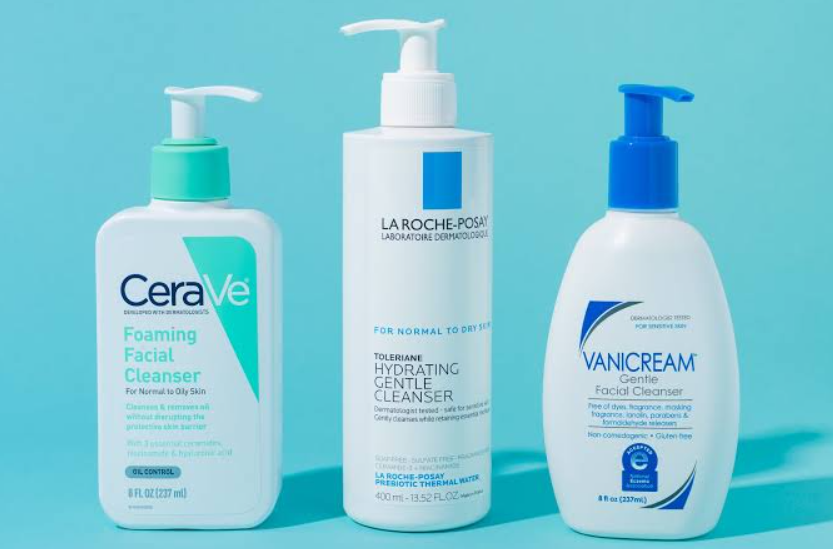
Best Cleanser for Combination Skin
A gentle cleanser is one of the most important products for combination skin.
Look for a cleanser that removes excess oil and impurities without stripping moisture from your cheeks. Gel or lightweight foaming cleansers can work well for many people with combination skin.
If clogged pores are a major concern, a cleanser containing salicylic acid may be useful. However, you do not necessarily need an exfoliating cleanser every day.
Avoid cleansers that leave your skin extremely tight or dry after washing.
Best Moisturizer for Combination Skin
Moisturizer is essential even if part of your face is oily.
The best moisturizer for combination skin is generally lightweight enough for the T-zone while providing enough hydration for drier areas.
Gel-creams, lightweight lotions, and non-comedogenic moisturizers can be good options.
If your cheeks are significantly drier than your forehead and nose, you can apply a little more moisturizer to the dry areas rather than using a heavy layer across your entire face.
Best Sunscreen for Combination Skin
Daily sunscreen is an important part of any skincare routine.
Choose a broad-spectrum sunscreen with SPF 30 or higher. Combination skin often feels more comfortable with lightweight, non-greasy formulas.
If your T-zone becomes shiny during the day, consider a sunscreen with a lightweight or matte finish.
Do not skip sunscreen simply because your skin is oily in some areas. Sun protection is important for maintaining healthy-looking skin and an even complexion.
Best Ingredients for Combination Skin
Combination skin can benefit from ingredients that provide hydration while helping manage excess oil and clogged pores.
| Ingredient | Main Benefit | Best For |
|---|---|---|
| Niacinamide | Supports balanced-looking skin | Oiliness and uneven appearance |
| Hyaluronic Acid | Provides hydration | Dry areas |
| Salicylic Acid | Helps unclog pores | Oily T-zone |
| Ceramides | Supports the skin barrier | Dry or sensitive areas |
| Glycerin | Attracts moisture | Dehydrated skin |
| Azelaic Acid | Supports clearer, more even-looking skin | Breakouts and uneven tone |
| Squalane | Provides lightweight moisture | Dry areas |
| Vitamin C | Supports a brighter-looking complexion | Dullness and uneven tone |
You do not need all these ingredients. Choose products based on your specific concerns.
Best Serum for Combination Skin
A serum is optional, but it can be useful if you have a particular skincare concern.
For example, niacinamide may be suitable if you are concerned about excess oil and the appearance of pores. Hyaluronic acid can provide additional hydration if your cheeks feel dry.
If uneven skin tone is your concern, you may consider a vitamin C or azelaic acid product.
Start with one serum rather than using several active ingredients simultaneously.
Best Skincare Routine for Combination Skin
A simple routine can help keep combination skin balanced.
Morning Routine
1. Cleanser: Use a gentle cleanser to remove excess oil and impurities.
2. Serum: Apply a suitable serum if you need one.
3. Moisturizer: Use a lightweight moisturizer across the face.
4. Sunscreen: Finish with broad-spectrum SPF 30 or higher.
Night Routine
1. Cleanser: Remove sunscreen, makeup, sweat, and impurities.
2. Treatment: Use a targeted treatment if necessary.
3. Moisturizer: Apply a lightweight moisturizer.
If certain areas are very dry, apply an additional layer of moisturizer only to those areas.
How to Manage an Oily T-Zone
If your forehead, nose, and chin become oily during the day, avoid repeatedly washing your face.
Instead, try using blotting papers to absorb excess oil. You can also choose lightweight, non-comedogenic skincare products.
Salicylic acid can be useful for clogged pores, but introducing it gradually is important, particularly if the rest of your face is dry or sensitive.
How to Manage Dry Cheeks
Dry cheeks need hydration rather than aggressive oil removal.
Use a gentle cleanser and a moisturizer containing ingredients such as glycerin, ceramides, or hyaluronic acid.
If your cheeks remain dry, apply a slightly thicker layer of moisturizer to those areas at night.
There is no need to use the same amount of product everywhere. Combination skin can benefit from adjusting your routine according to different areas of the face.
Best Products by Skin Concern
| Concern | Product Type | Ingredients to Consider |
|---|---|---|
| Oily T-zone | Lightweight cleanser | Salicylic acid |
| Dry cheeks | Hydrating moisturizer | Ceramides, glycerin |
| Clogged pores | Treatment | Salicylic acid |
| Uneven tone | Serum | Vitamin C, azelaic acid |
| Dehydration | Hydrating serum | Hyaluronic acid |
| Daily protection | Sunscreen | SPF 30+ |
| Sensitive areas | Gentle moisturizer | Ceramides, panthenol |
Common Skincare Mistakes for Combination Skin
Combination skin often becomes difficult to manage when people try to treat the entire face the same way.
Using Harsh Cleansers
A cleanser that removes too much oil may make dry areas uncomfortable.
Skipping Moisturizer
Oily areas still need hydration. Skipping moisturizer can make your routine unnecessarily drying.
Using Heavy Products Everywhere
A rich cream may be comfortable on dry cheeks but feel too heavy on the T-zone.
Over-Exfoliating
Excessive exfoliation can lead to dryness and irritation.
Using Too Many Active Ingredients
Combining multiple strong treatments can overwhelm your skin.
Ignoring Your Skin’s Different Areas
You do not always need to apply the same amount of every product to every part of your face.
Can You Use Different Products on Different Areas?
Yes. Combination skin is one of the situations where a targeted approach can be useful.
For example, you might use a lightweight moisturizer across your entire face and apply a richer moisturizer only to dry cheeks.
Similarly, you may use a pore-focused treatment on your oily T-zone while keeping the rest of your routine gentle.
This approach is sometimes called multi-masking or multi-zoning, depending on the product and application.
How to Choose Affordable Skincare Products
You do not need an expensive skincare collection to manage combination skin.
Start with four basic products:
- Gentle cleanser
- Lightweight moisturizer
- Sunscreen
- One targeted treatment if necessary
Look for simple formulas and avoid buying multiple products that perform the same function.
A product that works consistently for your skin is usually more valuable than a collection of trendy products.
FAQs About Skincare Products for Combination Skin
1. What are the best skincare products for combination skin?
A gentle cleanser, lightweight moisturizer, non-comedogenic sunscreen, and one targeted treatment are good starting points. Ingredients such as niacinamide, glycerin, ceramides, and salicylic acid can be useful depending on your concerns.
2. Should combination skin use moisturizer?
Yes. Combination skin still needs hydration. Choose a lightweight moisturizer and apply more to dry areas if necessary.
3. What type of cleanser is best for combination skin?
A gentle gel or lightweight cleanser can work well. If you have clogged pores, a cleanser containing salicylic acid may be useful.
4. Is niacinamide good for combination skin?
Niacinamide can be a useful ingredient for combination skin because it can support the appearance of balanced skin while also fitting into routines focused on oiliness and uneven texture.
5. Should I use a different moisturizer on my cheeks?
You can. If your cheeks are significantly drier than the rest of your face, applying a richer moisturizer specifically to those areas can provide additional comfort.
6. Is sunscreen necessary for combination skin?
Yes. Use broad-spectrum SPF 30 or higher every day. Choose a lightweight formula if you dislike a heavy or greasy finish.
7. How often should combination skin be exfoliated?
It depends on the product and your skin’s tolerance. Start slowly and avoid excessive exfoliation, especially if your cheeks are dry or sensitive.
8. Can combination skin use facial oils?
Some facial oils may work for dry areas, but they can feel too heavy for an oily T-zone. If you use one, consider applying a small amount only where your skin needs additional moisture.
9. Can combination skin be acne-prone?
Yes. Combination skin can experience clogged pores and acne, particularly around oily areas. A suitable cleanser and targeted acne treatment may help manage these concerns.
10. How can I balance combination skin naturally?
Focus on gentle cleansing, regular moisturizing, sun protection, and avoiding harsh products. You can also adjust the amount and type of moisturizer used on different areas of your face.
Final Thoughts
Choosing the best skincare products for combination skin is all about balance. Your oily areas need lightweight, pore-friendly products, while your drier areas need enough hydration to stay comfortable.
Start with a gentle cleanser, lightweight moisturizer, and daily sunscreen. Add one targeted serum or treatment only when you have a specific concern to address.
Most importantly, pay attention to how different areas of your face respond. Combination skin does not need to be treated exactly the same everywhere. With a simple, consistent routine and products suited to your skin’s individual needs, you can maintain a healthier-looking, smoother, and more balanced complexion.