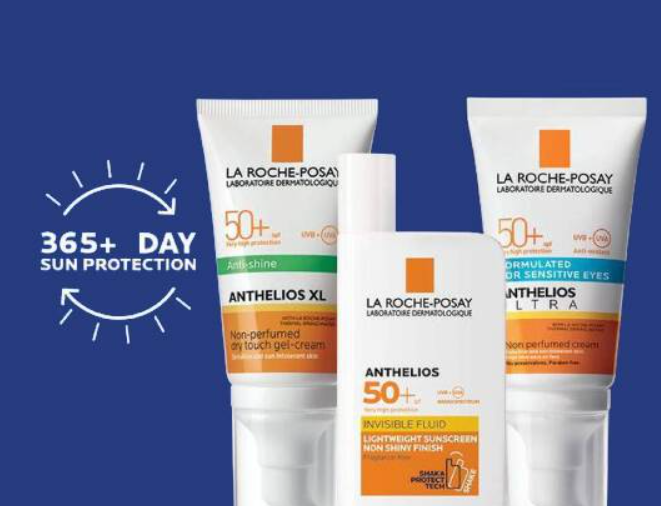
Finding the best sunscreen for oily acne-prone skin can be challenging. Many sunscreens can feel heavy, greasy, or uncomfortable, especially when your skin already produces excess oil. The right sunscreen, however, can provide daily sun protection without making your face feel excessively oily.
People with acne-prone skin should not skip sunscreen. Sun exposure can contribute to uneven skin tone and can make the appearance of post-acne marks more noticeable. A lightweight, non-comedogenic sunscreen can make daily sun protection easier to maintain.
Why Is Sunscreen Important for Oily Acne-Prone Skin?
Oily and acne-prone skin still needs protection from UV exposure. In fact, sunscreen can be particularly important if you are using acne treatments that make your skin more sensitive.
Daily sunscreen can help protect against:
- UV-related skin damage
- Uneven skin tone
- Dark spots
- Premature signs of skin aging
- Increased visibility of post-acne marks
The challenge is finding a formula that provides adequate protection without feeling greasy or contributing to clogged pores.
What to Look for in Sunscreen for Oily Skin
When choosing sunscreen for oily acne-prone skin, pay attention to the formula and finish.
Look for products labeled:
- Broad-spectrum
- SPF 30 or higher
- Non-comedogenic
- Oil-free, if you prefer an oil-free formula
- Lightweight
- Gel or fluid
- Matte or natural finish
A sunscreen that feels comfortable is more likely to become a consistent part of your daily routine.
Best Sunscreen Texture for Oily Acne-Prone Skin
Texture can make a major difference.
| Sunscreen Type | Best For | Feel on Skin |
|---|---|---|
| Gel | Very oily skin | Lightweight |
| Fluid | Oily and combination skin | Thin and fast-spreading |
| Gel-cream | Mildly oily skin | Lightweight and moisturizing |
| Matte lotion | Very oily skin | Less shiny |
| Cream | Dry skin | Richer and heavier |
If your face becomes shiny quickly, a gel, fluid, or matte formula may feel more comfortable than a rich cream sunscreen.
SPF 30 or SPF 50: Which Is Better?
Both SPF 30 and SPF 50 can be useful for daily sun protection.
For everyday use, choose a broad-spectrum sunscreen with at least SPF 30. If you spend a lot of time outdoors, a higher SPF may be preferable.
The most important thing is applying enough sunscreen and reapplying when needed. A high-SPF product does not provide a reason to apply less sunscreen.
Is Gel Sunscreen Good for Acne-Prone Skin?
Gel sunscreens are often popular with people who have oily or acne-prone skin because they tend to have lightweight textures.
They can spread easily and may leave less of a greasy feeling compared with richer creams.
However, the word “gel” alone does not guarantee that a product will suit your skin. Always check the complete formula and pay attention to how your skin responds.
Non-Comedogenic Sunscreen for Acne-Prone Skin
If you are prone to clogged pores, look for sunscreen labeled non-comedogenic.
Non-comedogenic products are designed with the goal of being less likely to clog pores. However, everyone’s skin is different, so even a non-comedogenic product can occasionally cause problems for an individual.
If you notice repeated breakouts after introducing a new sunscreen, consider switching to another formula.
Mineral vs. Chemical Sunscreen
Sunscreens can broadly be divided into mineral and chemical formulas.
Mineral sunscreens commonly use ingredients such as zinc oxide or titanium dioxide. Chemical sunscreens use different UV-filtering ingredients.
Neither category is automatically best for every person.
For oily acne-prone skin, the most suitable option is often the one that provides adequate protection and feels comfortable enough for consistent daily use.
How to Apply Sunscreen Correctly
Using the right sunscreen is only part of effective sun protection. Application also matters.
Apply sunscreen as the final step of your morning skincare routine.
A simple routine can be:
Cleanser → Lightweight moisturizer → Sunscreen
If your sunscreen is moisturizing enough, you may not need a separate moisturizer, particularly if your skin is very oily.
Apply sunscreen evenly across the face, including areas such as the forehead, cheeks, nose, chin, and neck.
Reapply when necessary, particularly during extended outdoor exposure, sweating, or swimming.
Best Skincare Routine for Oily Acne-Prone Skin
Sunscreen works best as part of a simple routine.
Morning
1. Gentle cleanser
Remove excess oil and buildup without aggressively stripping the skin.
2. Lightweight moisturizer
Use a non-comedogenic moisturizer if your skin needs additional hydration.
3. Sunscreen
Apply broad-spectrum SPF 30 or higher.
Night
1. Cleanser
Remove sunscreen, oil, and impurities.
2. Acne treatment
Use a suitable treatment if necessary.
3. Moisturizer
Keep the skin hydrated with a lightweight formula.
Ingredients That Can Work Well for Oily Skin
Some skincare ingredients can complement an oily skin routine.
| Ingredient | Potential Benefit |
|---|---|
| Niacinamide | Helps support balanced-looking skin |
| Salicylic acid | Helps with clogged pores |
| Hyaluronic acid | Provides lightweight hydration |
| Zinc oxide | Provides mineral UV protection |
| Green tea extract | Antioxidant support |
| Glycerin | Helps attract moisture |
You do not need a sunscreen containing every ingredient listed above. The main purpose of sunscreen is UV protection.
Should You Moisturize Before Sunscreen?
It depends on your skin and the sunscreen formula.
If your sunscreen provides enough hydration, you may be able to use it without a separate moisturizer.
If your skin feels dry or tight, apply a lightweight moisturizer first and allow it to settle before applying sunscreen.
People with combination skin may also use moisturizer more generously on dry areas and less on oily areas.
Can Sunscreen Cause Acne?
Some sunscreen formulas may feel heavy or may contribute to clogged pores for certain people.
If you notice breakouts after starting a sunscreen, look for a lightweight, non-comedogenic formula and introduce it into your routine carefully.
Remember that acne can have many causes, so a breakout does not always mean the sunscreen is responsible.
Common Sunscreen Mistakes for Oily Skin
Skipping Sunscreen Because Your Skin Is Oily
Oily skin still needs daily UV protection.
Using Too Little
Applying an insufficient amount can reduce the protection you receive.
Choosing an Extremely Heavy Formula
A rich sunscreen may feel uncomfortable if your skin already produces a lot of oil.
Forgetting the Neck
Your neck is also exposed to sunlight and should be included in your sun-protection routine.
Not Reapplying When Necessary
If you spend extended time outdoors, sunscreen may need to be reapplied.
Using Sunscreen Only on Sunny Days
UV exposure is not limited to days that feel hot or visibly sunny. Make sunscreen part of your regular daytime routine.
How to Choose an Affordable Sunscreen
You do not need an expensive sunscreen to protect your skin.
When shopping, prioritize:
- Broad-spectrum protection
- SPF 30 or higher
- A texture you enjoy using
- A formula appropriate for oily or acne-prone skin
- Good tolerance with your skin
An affordable sunscreen that you apply consistently can be more practical than an expensive product that feels too greasy or irritating to use regularly.
FAQs About the Best Sunscreen for Oily Acne-Prone Skin
1. What is the best sunscreen for oily acne-prone skin?
A lightweight, broad-spectrum sunscreen with SPF 30 or higher is a good starting point. Gel, fluid, matte, and non-comedogenic formulas are often comfortable for oily skin.
2. Is SPF 50 better for acne-prone skin?
SPF level does not determine whether a sunscreen will cause acne. Choose a broad-spectrum sunscreen with suitable SPF and a formula that works comfortably with your skin.
3. Can oily skin use sunscreen every day?
Yes. Oily skin still needs daily sun protection. Choose a lightweight sunscreen if you dislike a greasy finish.
4. Is gel sunscreen better for oily skin?
Gel formulas can feel lightweight and comfortable on oily skin, but the best option depends on the complete formula and your individual skin.
5. Should I use moisturizer before sunscreen if I have oily skin?
If your sunscreen provides enough moisture, you may not need a separate moisturizer. If your skin feels dry, use a lightweight moisturizer before sunscreen.
6. Can sunscreen make acne worse?
Some formulas may feel heavy or contribute to clogged pores for certain individuals. Choosing a non-comedogenic, lightweight formula may be more comfortable for acne-prone skin.
7. Can I use sunscreen while treating acne?
Yes. Sunscreen is particularly useful when your skincare routine includes acne treatments that can increase skin sensitivity. Choose a gentle formula that works well with your treatment routine.
8. How much sunscreen should I apply to my face?
Use enough sunscreen to provide the protection stated on the product. A commonly used approach is roughly two finger-lengths of sunscreen for the face and neck, although the exact amount can vary depending on the product and face size.
9. Should I reapply sunscreen if I have oily skin?
Yes. Reapply when necessary, particularly after sweating, swimming, wiping your face, or spending extended time outdoors.
10. What sunscreen finish is best for oily skin?
A matte or natural finish can be comfortable for people who dislike shine. Gel and fluid formulas are also popular because they tend to feel lighter.
Final Thoughts
Choosing the best sunscreen for oily acne-prone skin does not have to be complicated. Focus on broad-spectrum protection, SPF 30 or higher, and a lightweight formula that feels comfortable on your skin.
Gel, fluid, matte, and non-comedogenic sunscreens can be useful options for people who struggle with excess oil or clogged pores. However, individual skin responses vary, so finding a formula that you can comfortably use every day is key.
Keep the rest of your routine simple, avoid excessively heavy products, and remember that sunscreen is an essential part of protecting your skin while managing acne and post-acne marks.