Finding the right sunscreen can be challenging, especially if you have oily skin. Many sunscreens leave behind a greasy feeling, make the face look shiny, or create an unwanted white cast. However, with the right formula, you can protect your skin from sun damage while maintaining a lightweight, natural-looking finish.
The best sunscreen for oily skin with no white cast should provide reliable sun protection, absorb quickly, control excess shine, and blend seamlessly into the skin without leaving visible residue.
This guide explains how to choose the right sunscreen for oily skin, important ingredients to look for, application tips, and common mistakes to avoid.
Why Sunscreen Is Important for Oily Skin
Some people with oily skin avoid sunscreen because they think it will make their face look greasy. However, sunscreen is an essential part of every skincare routine, regardless of skin type.
Daily sun protection helps:
- Prevent sun damage
- Reduce the appearance of premature aging
- Protect against uneven skin tone
- Support healthier-looking skin
- Prevent existing dark spots from becoming more noticeable
The key is choosing a sunscreen designed specifically for oily or combination skin.
What Makes a Good Sunscreen for Oily Skin?
Not every sunscreen works well for oily skin. The ideal formula should feel comfortable and lightweight throughout the day.
Look for sunscreens that offer:
- Oil-free formulation
- Lightweight texture
- Fast absorption
- Non-greasy finish
- No white cast
- Comfortable daily wear
- Suitable protection against UV rays
Gel, fluid, and water-based sunscreens are often preferred by people with oily skin because they tend to feel lighter than heavy creams.
Understanding White Cast in Sunscreen
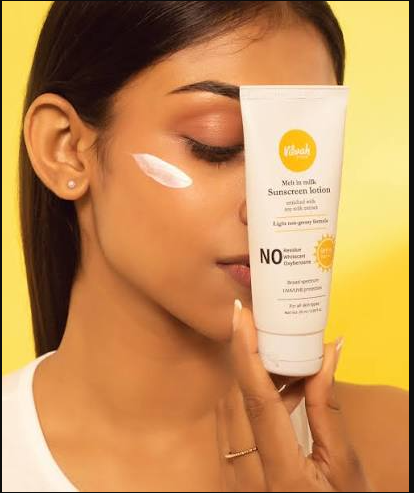
A white cast happens when sunscreen leaves a visible pale or grayish layer on the skin after application.
This is often more noticeable with some mineral sunscreen formulas containing ingredients that sit on the surface of the skin.
A sunscreen with no white cast should:
- Blend easily into the skin
- Match your natural complexion
- Absorb without leaving visible residue
- Work well under makeup
Many modern sunscreen formulas are designed with improved textures to reduce this issue.
Ingredients to Look For in Sunscreen for Oily Skin
Choosing the right ingredients can help you find a comfortable sunscreen.
Lightweight Hydrating Ingredients
Even oily skin needs hydration. Ingredients such as:
- Hyaluronic acid
- Glycerin
- Lightweight moisturizing agents
can help maintain skin comfort without feeling heavy.
Niacinamide
Niacinamide is a popular skincare ingredient often included in products for oily skin.
It may help:
- Improve the appearance of uneven tone
- Support the skin barrier
- Reduce the look of excess shine
Matte-Finish Ingredients
Some sunscreens contain ingredients designed to absorb excess oil and create a smoother-looking finish.
These formulas can be useful for people who prefer a less shiny appearance.
Types of Sunscreen for Oily Skin
Gel Sunscreens
Gel sunscreens are popular because they are:
- Lightweight
- Quick absorbing
- Comfortable in hot weather
They are often suitable for oily and combination skin.
Fluid Sunscreens
Fluid formulas have a thin texture and spread easily.
Benefits include:
- Natural finish
- Easy application
- Lightweight feel
Mineral Sunscreens
Mineral sunscreens use physical UV filters.
They can be suitable for sensitive skin, although some formulas may leave a white cast depending on the ingredients and formulation.
How to Choose Sunscreen Based on Your Skin Type
Oily and Acne-Prone Skin
Choose:
- Oil-free formulas
- Non-comedogenic options
- Lightweight textures
Avoid products that feel heavy or overly moisturizing.
Oily and Sensitive Skin
Look for:
- Gentle formulas
- Minimal fragrance
- Skin-soothing ingredients
Always test new products before applying them regularly.
Oily Skin in Hot and Humid Weather
A lightweight gel or fluid sunscreen may feel more comfortable because it absorbs quickly and does not add extra heaviness.
How to Apply Sunscreen Correctly
Using the right amount and technique is important for effective protection.
Apply Every Morning
Sunscreen should be the final step of your morning skincare routine.
A basic order is:
- Cleanser
- Serum (optional)
- Moisturizer
- Sunscreen
Use Enough Product
Applying too little sunscreen reduces protection.
Make sure you cover all exposed areas, including:
- Face
- Neck
- Ears
- Other exposed areas
Reapply When Needed
Reapplication may be necessary during extended outdoor activities, sweating, or swimming.
Sunscreen Tips for People With Oily Skin
Follow these tips for a comfortable sunscreen experience:
- Apply sunscreen on clean, moisturized skin.
- Allow skincare products to absorb before sunscreen.
- Choose lightweight formulas.
- Avoid layering too many heavy products.
- Use blotting paper if excess shine appears during the day.
- Remove sunscreen properly at night.
Common Sunscreen Mistakes to Avoid
Many people do not get the full benefits of sunscreen because of common mistakes.
Avoid:
Skipping Sunscreen on Cloudy Days
UV exposure can still occur when the weather is cloudy.
Applying Only When Going to the Beach
Daily exposure happens during normal activities like walking, driving, or sitting near windows.
Using Too Little Product
A small amount may not provide adequate protection.
Choosing Heavy Formulas
Thick sunscreens may feel uncomfortable on oily skin.
Forgetting the Neck
The neck is often exposed to sunlight and should also receive protection.
Can Oily Skin Use Moisturizer and Sunscreen Together?
Yes. Oily skin still requires hydration.
A lightweight moisturizer followed by sunscreen can help maintain a healthy skin barrier.
If your sunscreen already provides enough hydration, you may not need a separate moisturizer during the morning.
Sunscreen Under Makeup
A good sunscreen for oily skin should work well under makeup.
Look for formulas that:
- Absorb quickly
- Do not pill
- Create a smooth base
- Reduce excess shine
Allow sunscreen to settle before applying foundation or other makeup products.
Creating a Simple Morning Routine for Oily Skin
A basic routine can include:
Step 1:
Gentle cleanser
Step 2:
Lightweight serum (optional)
Step 3:
Oil-free moisturizer
Step 4:
No-white-cast sunscreen
This simple approach helps protect your skin while managing oiliness.
Final Thoughts
Choosing the best sunscreen for oily skin with no white cast requires finding a lightweight formula that provides effective sun protection without making your skin look greasy or leaving visible residue.
The ideal sunscreen should feel comfortable, absorb quickly, and match your daily skincare needs. Gel and fluid formulas are often excellent choices for oily skin because they provide protection without heaviness.
Remember that sunscreen works best when used consistently. Combined with a proper skincare routine, healthy habits, and the right product choice, daily sun protection can help maintain healthier-looking, balanced, and radiant skin.