Dark circles under the eyes are a common beauty concern. They can make the face look tired even after a good night’s sleep. While some people naturally have darker pigmentation around the eyes, dark circles can also become more noticeable because of lack of sleep, dehydration, allergies, sun exposure, aging, or the natural structure of the skin around the eyes.
If you are looking for the best ways to reduce dark circles naturally, a consistent approach can help improve the appearance of the under-eye area. Natural methods are generally focused on healthy lifestyle habits, hydration, sun protection, gentle skincare, and reducing factors that make dark circles more noticeable.
It is important to remember that natural remedies cannot completely remove every type of dark circle. Genetics, pigmentation, hollowness, and aging can all play a role.
1. Get Enough Quality Sleep
Poor sleep is one of the most common reasons eyes can look tired. When you do not get enough rest, the skin may appear paler, making the blood vessels beneath the thin under-eye skin more visible.
Aim for a consistent sleep schedule and enough sleep for your individual needs. Going to bed and waking up at similar times each day can help support better sleep habits.
Improving sleep will not necessarily eliminate genetic dark circles, but it can make the under-eye area look fresher and less tired.
2. Stay Properly Hydrated
Dehydration can make the skin appear dull and may make the area under the eyes look more sunken or tired.
Drink enough fluids throughout the day and eat water-rich foods such as cucumber, watermelon, oranges, berries, and leafy vegetables.
If your dark circles are more noticeable when you have not been drinking enough water, improving your hydration habits may help your overall complexion look healthier.
3. Use a Cold Compress
A cold compress can temporarily reduce the appearance of puffiness around the eyes. Cooling the area may also make blood vessels less noticeable for a short period.
Place a clean, cool cloth over closed eyes for several minutes. Avoid applying ice directly to the skin because extreme cold can cause irritation or injury.
This method provides temporary cosmetic improvement rather than permanently treating the underlying cause of dark circles.
4. Protect Your Eyes from the Sun
Sun exposure can contribute to increased pigmentation and make dark circles more noticeable. Protecting the delicate skin around your eyes is therefore an important part of a natural approach to reducing their appearance.
Wear sunglasses when outdoors and use a suitable broad-spectrum sunscreen around the eye area, following the product’s instructions.
A hat can provide additional protection, particularly during extended periods outdoors.
5. Eat a Balanced Diet
Your skin benefits from a balanced diet containing a variety of nutrients. Include fruits, vegetables, whole grains, protein sources, healthy fats, and adequate fluids.
Foods containing vitamin C, vitamin E, iron, and other nutrients can contribute to overall skin health when consumed as part of a balanced diet.
Avoid relying on supplements solely to treat dark circles unless a healthcare professional recommends them. If you suspect a nutritional deficiency, professional evaluation is more appropriate than self-treating.
6. Avoid Rubbing Your Eyes
Frequent eye rubbing can irritate the delicate skin around the eyes. It may also make redness and discoloration more noticeable.
If your eyes frequently itch, identify the possible cause rather than repeatedly rubbing them. Seasonal allergies, dryness, or irritation from cosmetics can sometimes contribute to itchy eyes.
Use gentle movements when cleansing or applying skincare around the eye area.
7. Manage Allergies
Allergies can contribute to dark circles and under-eye puffiness in some people. Congestion and frequent rubbing may make the area appear darker.
If you regularly experience itchy or watery eyes, sneezing, or nasal congestion, managing your allergies may improve the appearance of the under-eye area.
Avoid applying untested homemade remedies to irritated eyes. If allergy symptoms are persistent or severe, consider discussing them with a healthcare professional.
8. Use Cucumber for a Cooling Effect
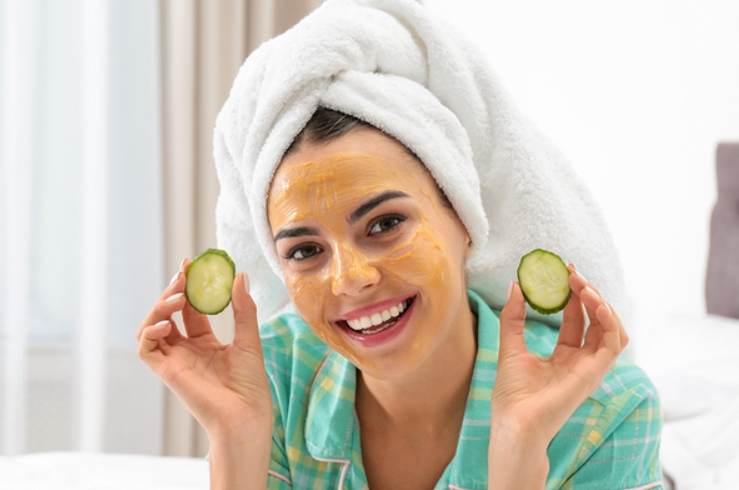
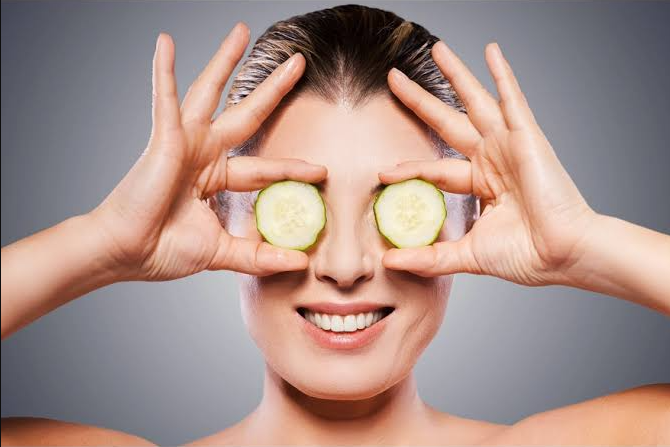
Cucumber slices are a traditional home beauty remedy for tired-looking eyes. Chilled cucumber can provide a cooling and refreshing sensation and may temporarily reduce puffiness.
Place clean, cool cucumber slices over closed eyes for several minutes. Do not press firmly against the eyes.
The benefits are generally temporary, so cucumber should be viewed as a soothing beauty treatment rather than a permanent solution for dark pigmentation.
9. Try a Gentle Aloe Vera Product
Aloe vera is commonly used in skincare because of its soothing and moisturizing properties. A properly formulated, fragrance-free aloe vera product may help the skin around the eyes feel more comfortable.
Avoid putting aloe vera gel directly into your eyes, and patch test products before using them regularly. Products containing fragrance or other irritating ingredients may not be suitable for sensitive skin.
10. Moisturize the Under-Eye Area
Dry skin can make fine lines and texture more noticeable. Keeping the skin moisturized can create a smoother and healthier-looking appearance.
Use a gentle moisturizer that is appropriate for the eye area, or choose an eye cream formulated specifically for that delicate skin.
Apply products carefully without pulling or rubbing the skin.
11. Reduce Excessive Screen Strain
Long periods of screen use can contribute to tired, dry, or uncomfortable eyes. Although screen time is not necessarily the direct cause of dark pigmentation, eye fatigue can make your face look more tired.
Take regular breaks from screens and follow the general practice of looking away from your screen periodically. Adjust your screen brightness and maintain a comfortable viewing distance.
12. Elevate Your Head While Sleeping
If puffiness contributes to the appearance of your dark circles, slightly elevating your head while sleeping may help reduce fluid accumulation around the eyes.
Use a comfortable sleeping position and avoid excessive elevation that strains your neck.
This approach is most useful when puffiness is a major part of the problem rather than when dark circles are primarily caused by pigmentation or genetics.
Natural Ingredients That May Support Brighter-Looking Skin
Some natural or naturally derived ingredients are commonly included in skincare products designed for the under-eye area.
Aloe Vera
Aloe vera can provide soothing hydration and may be useful for dry or uncomfortable skin.
Green Tea
Green tea contains antioxidants and is commonly used in skincare products designed to refresh the appearance of the skin.
Caffeine
Although caffeine is not necessarily a “natural remedy” in the traditional sense, it is naturally found in coffee and tea and is frequently used in eye products designed to reduce the appearance of puffiness temporarily.
Vitamin C
Vitamin C is an antioxidant commonly used in skincare products aimed at improving the appearance of uneven skin tone. Sensitive under-eye skin may require a gentle formulation.
What to Avoid When Treating Dark Circles Naturally
Natural does not always mean safe. Some popular DIY remedies can irritate the delicate skin around the eyes.
Avoid applying lemon juice, baking soda, undiluted essential oils, or other harsh ingredients directly around your eyes. These substances can cause irritation and may make discoloration more noticeable.
Do not use ice directly on the skin, and never put homemade mixtures into your eyes.
A simple, gentle approach is usually safer than experimenting with strong kitchen ingredients.
When Should You See a Professional?
Dark circles are usually a cosmetic concern, but persistent or sudden changes may sometimes have an underlying cause.
Consider speaking with a healthcare professional if dark circles appear suddenly, occur with significant swelling, affect only one eye, or are accompanied by other unusual symptoms.
If genetics, pigmentation, hollowness, or aging are the primary causes, natural remedies may have limited effects. A dermatologist can explain professional treatment options if you want more significant or long-lasting improvement.
Frequently Asked Questions
What is the best natural way to reduce dark circles?
There is no single natural remedy that works for everyone. Getting enough sleep, staying hydrated, protecting your skin from the sun, avoiding eye rubbing, managing allergies, and maintaining a balanced diet are good starting points.
Can lack of sleep cause dark circles?
Poor sleep can make dark circles and tired-looking eyes more noticeable. Improving sleep may help your under-eye area look fresher, although it may not eliminate circles caused by genetics or pigmentation.
Does drinking water reduce dark circles?
Staying hydrated can help your skin look healthier and less dull. However, drinking extra water is unlikely to completely remove dark circles caused by genetics, pigmentation, or facial structure.
Can cucumber remove dark circles?
Cucumber slices can provide a cooling and refreshing effect and may temporarily reduce puffiness. They are unlikely to permanently remove dark pigmentation.
Is aloe vera good for dark circles?
Aloe vera can moisturize and soothe the skin, but there is limited reason to expect it to eliminate all types of dark circles. Use a gentle, properly formulated product and keep it out of the eyes.
Can cold compresses help dark circles?
A cold compress may temporarily reduce puffiness and make the under-eye area look more refreshed. It is not a permanent treatment for pigmentation.
Does sunscreen help prevent dark circles?
Sun protection can help prevent and reduce the worsening of pigmentation caused by UV exposure. Use suitable broad-spectrum sunscreen and protect your eyes with sunglasses and shade.
Can diet improve dark circles?
A balanced diet supports overall skin health. If dark circles are associated with a nutritional deficiency, correcting that deficiency may help, but supplementation should be based on appropriate professional advice.
Why do I have dark circles even when I sleep well?
Dark circles can result from genetics, pigmentation, allergies, aging, thin skin, or the natural structure of the area beneath the eyes. Good sleep can improve tired-looking eyes but may not remove inherited or structural dark circles.
How long does it take to reduce dark circles naturally?
The timeframe varies depending on the cause. Lifestyle improvements may gradually improve the appearance of tired or dehydrated skin, while genetic or pigmentation-related dark circles may remain despite healthy habits.
Final Thoughts
The best ways to reduce dark circles naturally focus on consistent skincare and healthy lifestyle habits rather than quick fixes. Prioritize quality sleep, hydration, balanced nutrition, sun protection, gentle skincare, and avoiding eye rubbing.
Cooling treatments such as cucumber slices or a cold compress can provide temporary relief from puffiness, while gentle moisturizing products can improve the appearance of dry under-eye skin.
Most importantly, identify the likely cause of your dark circles. Natural methods can improve the appearance of some types, but genetics, pigmentation, aging, and facial structure may require professional treatment for more noticeable results.