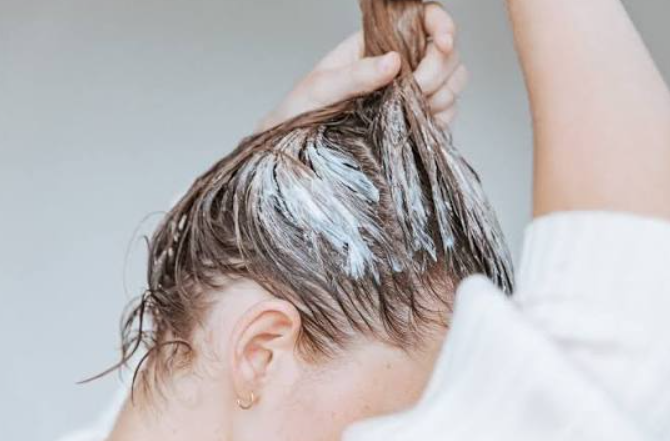
Colored hair can look beautiful, vibrant, and stylish, but frequent coloring, bleaching, heat styling, and chemical treatments can leave hair dry, weak, rough, and prone to breakage. If your hair has been damaged by coloring, learning how to care for colored and damaged hair can help improve its appearance and make it easier to manage.
Damaged hair needs a gentle routine focused on moisture, conditioning, reduced heat, and protection. While hair that has already been damaged cannot be completely restored to its original condition, the right care can improve its softness, reduce breakage, and help prevent additional damage.
Why Does Colored Hair Become Damaged?
Hair coloring can affect the outer structure of the hair. Bleaching and lightening treatments can be particularly drying because they alter the hair’s natural pigment.
Common causes of damage include:
- Frequent hair coloring
- Bleaching
- Highlights and balayage
- Chemical straightening
- Excessive heat styling
- Frequent washing
- Harsh shampoos
- Rough brushing
- Sun exposure
- Chlorinated water
- Tight hairstyles
The more chemical and physical stress your hair experiences, the more important a protective hair-care routine becomes.
Signs of Colored and Damaged Hair
You may notice several changes after repeated coloring or chemical treatments.
Common signs include:
- Dry or rough texture
- Split ends
- Increased frizz
- Hair breakage
- Tangling
- Lack of shine
- Brittle ends
- Difficulty retaining length
- Uneven texture
- Color fading quickly
If your hair feels significantly weaker after coloring, focus on reducing further damage rather than immediately adding more chemical treatments.
Best Hair Care Routine for Colored and Damaged Hair
A simple routine can help protect colored hair while improving its appearance.
Gentle shampoo → Conditioner → Leave-in conditioner → Hair mask → Heat protection → Regular trimming
You do not need to use every product every day. The goal is to create a routine that provides enough moisture and protection without causing excessive buildup.
1. Use a Gentle Shampoo
Choose a shampoo designed for colored or dry hair.
A gentle formula can help cleanse the scalp without making already-dry lengths feel excessively stripped.
When shampooing, concentrate on the scalp and avoid aggressively scrubbing the lengths.
Shampoo Tips
- Use lukewarm water.
- Massage gently with your fingertips.
- Avoid scratching your scalp.
- Rinse thoroughly.
- Do not wash more frequently than necessary.
If your scalp becomes oily quickly, you may need more frequent washing. If your scalp is dry, you may be able to wash less often.
2. Don’t Skip Conditioner
Conditioner is essential for damaged hair.
Apply it mainly to the mid-lengths and ends, where dryness and damage are usually more noticeable.
Leave the conditioner on for a few minutes before rinsing.
Regular conditioning can help improve:
- Softness
- Manageability
- Smoothness
- Detangling
- Shine
3. Use a Deep Conditioning Mask
A hair mask can provide additional conditioning for dry and damaged hair.
Use a moisturizing mask approximately once a week, or according to your hair’s needs.
Apply it primarily to the lengths and ends.
If your hair is extremely dry, a richer mask may be useful. Fine hair may need a lighter formula to avoid feeling weighed down.
4. Add a Leave-In Conditioner
A leave-in conditioner can provide additional moisture and make damaged hair easier to detangle.
Apply a small amount to damp hair, focusing on the lengths and ends.
Avoid applying excessive amounts directly to the scalp unless the product is specifically designed for scalp use.
5. Always Use Heat Protection
Heat styling can add additional stress to already-damaged hair.
Before using a blow dryer, straightener, or curling iron, apply a suitable heat-protectant product.
Try to:
- Use moderate heat.
- Reduce the frequency of hot-tool use.
- Avoid repeated passes over the same section.
- Allow hair to partially air-dry before blow-drying when practical.
- Give your hair regular breaks from heat.
Reducing heat exposure is one of the simplest ways to prevent additional damage.
6. Avoid Very Hot Water
Very hot water can leave dry and damaged hair feeling rough.
Use lukewarm water when washing.
You can finish with cooler water if it feels comfortable, but there is no need to use extremely cold water.
The main goal is to avoid excessively hot showers.
7. Be Gentle When Detangling
Colored and damaged hair can be more vulnerable to breakage.
Avoid aggressively brushing through knots.
Instead:
- Apply conditioner or leave-in conditioner.
- Start detangling from the ends.
- Gradually work toward the roots.
- Use a wide-tooth comb or suitable detangling brush.
- Avoid pulling through stubborn knots.
Taking a few extra minutes can help reduce unnecessary breakage.
8. Avoid Rough Towel Drying
Rubbing wet hair aggressively can create friction and contribute to breakage.
After washing, gently squeeze out excess water.
You can use a microfiber towel or soft cotton T-shirt to absorb moisture.
Avoid twisting or tightly wrapping fragile hair.
9. Reduce Frequent Coloring
If your hair is already damaged, repeatedly coloring or bleaching it may increase the problem.
Whenever possible, give your hair time between chemical treatments.
If you want to change your color frequently, discuss the condition of your hair with a professional before undergoing another chemical service.
10. Protect Your Hair From the Sun
Extended sun exposure can affect colored hair and may contribute to dryness and fading.
When spending extended periods outdoors, consider:
- Wearing a hat
- Covering your hair
- Using suitable UV-protective hair products
- Limiting prolonged direct exposure
This can be particularly useful for brightly colored or recently colored hair.
11. Protect Hair From Chlorine
Swimming pools can contribute to dryness and may affect colored hair.
Before swimming, wet your hair with clean water and consider using a suitable leave-in conditioner.
A swimming cap can provide additional protection.
After swimming, rinse your hair thoroughly and cleanse it when necessary.
Best Ingredients for Colored and Damaged Hair
Choosing ingredients based on your hair’s needs can make your routine more effective.
| Ingredient | Common Benefit | Best For |
|---|---|---|
| Argan oil | Softness and shine | Dry, frizzy hair |
| Coconut oil | Conditioning | Dry and coarse hair |
| Aloe vera | Lightweight moisture | Dry hair |
| Shea butter | Rich conditioning | Very dry hair |
| Panthenol | Conditioning | Damaged hair |
| Hydrolyzed proteins | Temporary strengthening | Weak-feeling hair |
| Jojoba oil | Lightweight conditioning | Fine or dry hair |
| Ceramides | Smoothing and conditioning | Damaged hair |
Your hair does not need every ingredient listed above. Choose products based on how your hair responds.
Moisture vs. Protein for Damaged Hair
People with damaged hair often hear about moisture and protein.
Both can have a place in a hair-care routine.
Moisturizing Products
These can help improve the softness and manageability of dry hair.
Look for moisturizing conditioners, masks, and leave-in products.
Protein Products
Protein-containing products can temporarily improve the feel and strength of damaged hair.
However, using too many protein treatments may make some hair feel stiff or rough.
If your hair becomes unusually brittle or rigid after frequent protein treatments, reduce their use and focus more on conditioning.
How Often Should You Wash Colored Hair?
There is no single ideal schedule.
Wash your hair according to your scalp’s needs.
If your scalp becomes oily, you may need to wash more often.
If your hair and scalp are dry, washing less frequently may help you retain more moisture.
Use a gentle shampoo and avoid unnecessary repeated washing.
How to Prevent Hair Color From Fading
Hair color can gradually fade with washing and environmental exposure.
To help maintain your color:
- Use products designed for colored hair.
- Avoid unnecessarily frequent washing.
- Use lukewarm rather than very hot water.
- Reduce excessive heat styling.
- Protect hair from prolonged sun exposure.
- Use a suitable conditioner.
- Follow your colorist’s aftercare recommendations.
Very bright or fashion colors may naturally require more frequent maintenance than traditional shades.
Hair Oils for Colored and Damaged Hair
Hair oils can be useful for improving softness and reducing the appearance of dryness.
Popular options include:
- Argan oil
- Jojoba oil
- Coconut oil
- Almond oil
- Olive oil
Apply a small amount to the lengths and ends.
Avoid using excessive amounts because too much oil can make the hair greasy and difficult to cleanse.
How to Sleep With Damaged Hair
Nighttime friction can contribute to tangling and breakage.
Try:
- Using a satin or silk pillowcase.
- Loosely tying long hair.
- Avoiding tight hair ties.
- Gently detangling before bed.
- Avoiding sleeping with heavily tangled hair.
A loose protective style can help reduce friction.
Trim Damaged Ends Regularly
A haircut cannot repair damage higher up the hair shaft, but trimming split and severely damaged ends can make the hair look healthier.
If your ends split frequently, regular small trims may help you maintain a neater appearance.
Remember that trimming does not make hair grow faster from the scalp.
Hair Care Routine by Damage Level
| Hair Condition | Recommended Focus |
|---|---|
| Mild dryness | Conditioner and leave-in |
| Moderate dryness | Deep-conditioning mask |
| Frizz and roughness | Moisture and reduced heat |
| Frequent breakage | Gentle handling and protection |
| Bleached hair | Intensive conditioning and minimal heat |
| Severe damage | Professional assessment and reduced chemical processing |
Common Mistakes to Avoid
Using Heat Every Day
Frequent heat styling can make damaged hair more fragile.
Coloring Too Frequently
Repeated chemical treatments can increase dryness and breakage.
Brushing Aggressively
Pulling through tangles can cause mechanical damage.
Skipping Conditioner
Damaged hair usually benefits from regular conditioning.
Using Too Many Products
Layering numerous creams, oils, masks, and styling products can create buildup.
Applying Too Much Protein
Protein can be useful, but excessive use may make some hair feel stiff.
Ignoring Split Ends
Severely damaged ends can continue splitting and make the hair appear increasingly rough.
Can Damaged Hair Be Completely Repaired?
Hair that has already grown out of the scalp is not living tissue, so damaged sections cannot be completely restored to their original condition.
However, you can improve how damaged hair looks and feels by:
- Conditioning regularly
- Using protective products
- Reducing heat
- Limiting chemical treatments
- Handling hair gently
- Trimming severely damaged ends
The best strategy is to protect new growth and prevent additional damage.
When Should You See a Hair Professional?
Consider professional advice if your hair has severe chemical damage, extensive breakage, or significant changes after a coloring treatment.
You should also seek professional help if you experience scalp burning, persistent redness, swelling, or pain after a chemical service.
A professional can assess the condition of your hair and help determine whether further coloring or chemical treatment should be postponed.
FAQs About Caring for Colored and Damaged Hair
1. How can I care for colored and damaged hair?
Use a gentle shampoo, condition regularly, apply a leave-in conditioner, use a weekly hair mask, minimize heat styling, and protect your hair from additional chemical damage.
2. How often should I wash colored hair?
Wash according to your scalp’s needs. Avoid unnecessary washing if your hair is very dry, but do not ignore scalp buildup or excessive oiliness.
3. What is the best shampoo for colored damaged hair?
A gentle shampoo formulated for colored, dry, or damaged hair can be a good choice. Avoid overly harsh cleansing if your lengths are already dry.
4. How can I make damaged hair soft again?
Regular conditioning, leave-in products, deep-conditioning treatments, and reduced heat exposure can improve the feel and manageability of damaged hair.
5. Is oil good for colored hair?
Small amounts of suitable hair oils can help condition dry lengths and improve shine. Argan and jojoba oils are lightweight options, while coconut oil may work well for thicker or coarser hair.
6. How often should I use a hair mask?
Once a week is a practical starting point for many people with dry or damaged hair. Adjust according to your hair’s condition and the product instructions.
7. Can I straighten colored and damaged hair?
You can, but frequent high-heat styling can increase damage. Always use heat protection and keep the temperature as moderate as practical.
8. Does cutting damaged hair make it healthier?
Trimming severely damaged ends can make hair look healthier and reduce visible split ends. It does not repair damage higher up the hair shaft.
9. Can damaged colored hair grow long?
Yes. The key is retaining length by reducing breakage. Gentle handling, conditioning, protection, and regular maintenance can help you retain more of the length your hair naturally grows.
10. How long does it take to repair damaged hair?
The timeline depends on the severity of the damage and how quickly the hair grows. Products can improve the appearance and feel of damaged hair, but severely damaged sections may eventually need to be trimmed away.
Final Thoughts
Learning how to care for colored and damaged hair is mainly about preventing additional damage while improving moisture and manageability. Use gentle cleansing, regular conditioning, leave-in products, occasional hair masks, and heat protection as the foundation of your routine.
Try to limit frequent bleaching and chemical treatments, protect your hair from excessive heat and environmental stress, and handle it gently when wet.
Damaged hair cannot be completely restored to its original condition, but consistent care can help it look smoother, softer, shinier, and healthier while you grow out stronger new hair.