Choosing the right moisturizer is one of the most important steps in building an effective skincare routine. A good moisturizer helps maintain hydration, supports the skin barrier, and keeps your skin looking healthy and balanced. However, with hundreds of products available, finding the perfect one can feel confusing.
The key to selecting the right product is understanding your skin type and choosing ingredients that match your specific needs. Whether you have oily, dry, sensitive, combination, or acne-prone skin, the right moisturizer can make a significant difference.
This guide explains how to choose the right moisturizer for your skin type, what ingredients to look for, common mistakes to avoid, and how to apply moisturizer correctly.
Why Moisturizer Is Important for Every Skin Type
Many people believe moisturizer is only necessary for dry skin, but every skin type needs proper hydration.
A moisturizer helps:
- Prevent moisture loss
- Strengthen the skin barrier
- Improve skin softness
- Reduce dryness and discomfort
- Create a smoother-looking texture
- Support overall skin health
Even oily skin can become dehydrated and may need lightweight hydration to maintain balance.
Understanding Your Skin Type
Before choosing a moisturizer, identify your skin type.
Dry Skin
Dry skin usually lacks enough natural moisture and may feel tight or rough.
Common signs include:
- Flaky areas
- Rough texture
- Tight feeling after cleansing
- Dull appearance
- Increased sensitivity
Dry skin often benefits from rich, nourishing moisturizers.
Oily Skin
Oily skin produces more natural oil than other skin types.
Common signs include:
- Shiny appearance
- Enlarged-looking pores
- Makeup fading quickly
- Frequent clogged pores
Oily skin usually needs lightweight, non-greasy hydration.
Combination Skin
Combination skin has both oily and dry areas.
Common characteristics:
- Oiliness around the forehead, nose, and chin
- Dryness on cheeks
- Different needs in different areas
A balanced moisturizer is often the best choice.
Sensitive Skin
Sensitive skin reacts easily to products or environmental changes.
Signs may include:
- Redness
- Burning sensation
- Irritation
- Dry patches
Sensitive skin benefits from gentle, fragrance-free formulas.
Acne-Prone Skin
Acne-prone skin may experience frequent breakouts and clogged pores.
It often needs moisturizers that provide hydration without feeling heavy.
Choosing a Moisturizer Based on Your Skin Type
Best Moisturizer for Dry Skin
Dry skin needs ingredients that help lock in moisture and improve comfort.
Look for:
Hyaluronic Acid
Helps attract and retain moisture, making skin appear more hydrated.
Ceramides
Support the skin barrier and help prevent moisture loss.
Glycerin
Helps keep skin soft and moisturized.
Shea Butter
Provides rich hydration for very dry areas.
Cream-based moisturizers are often better suited for dry skin compared with lightweight gels.
Best Moisturizer for Oily Skin
Oily skin does not mean you should skip moisturizer.
Without proper hydration, skin may become unbalanced.
Choose:
- Lightweight lotions
- Gel moisturizers
- Oil-free formulas
- Non-comedogenic products
Helpful ingredients include:
Hyaluronic Acid
Provides hydration without a heavy feeling.
Niacinamide
Often used in skincare products designed for oily skin and uneven texture.
Avoid very thick creams that may feel uncomfortable or greasy.
Best Moisturizer for Combination Skin
Combination skin requires balance.
Look for:
- Lightweight hydration
- Non-greasy textures
- Balanced formulas
You can also adjust your moisturizer application:
- Apply more product to dry areas.
- Use less on oily areas.
A flexible routine often works best for combination skin.
Best Moisturizer for Sensitive Skin
Sensitive skin needs gentle formulas that support comfort.
Look for:
- Fragrance-free products
- Simple ingredient lists
- Barrier-supporting ingredients
Helpful ingredients include:
Ceramides
Support the skin barrier.
Aloe Vera
Often included in soothing skincare products.
Panthenol
Helps improve skin comfort and hydration.
Avoid products with strong fragrances or unnecessary irritants.
Best Moisturizer for Acne-Prone Skin
People with acne-prone skin often avoid moisturizer, but hydration is still important.
Choose:
- Lightweight formulas
- Non-comedogenic moisturizers
- Oil-free options
Helpful ingredients may include:
- Hyaluronic acid
- Niacinamide
- Ceramides
A good moisturizer can help maintain skin balance while supporting a healthy barrier.
Ingredients to Avoid Depending on Your Skin Needs
Not every ingredient works for everyone.
People with sensitive skin may prefer avoiding:
- Strong fragrances
- Harsh alcohols
- Irritating additives
People with oily or acne-prone skin may prefer avoiding:
- Very heavy oils
- Extremely thick formulas
Always consider your personal skin response rather than following trends.
How to Test a New Moisturizer
Before adding a new moisturizer to your routine:
- Apply a small amount to a limited skin area.
- Observe how your skin reacts.
- Use it consistently if it feels comfortable.
- Stop if irritation occurs.
Patch testing is especially helpful for sensitive skin.
How to Apply Moisturizer Correctly
The way you apply moisturizer matters.
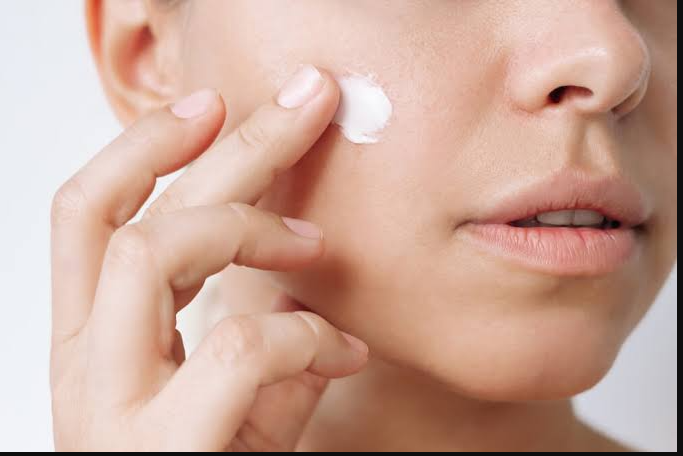
Follow these steps:
- Cleanse your face gently.
- Apply moisturizer while your skin is slightly damp.
- Massage it evenly without harsh rubbing.
- Use it consistently every morning and evening.
Regular use usually provides better results than occasional application.
Morning and Night Moisturizer Routine
Morning
A basic routine may include:
- Cleanser
- Serum (optional)
- Moisturizer
- Sunscreen
Evening
A nighttime routine may include:
- Cleanser
- Treatment product (optional)
- Moisturizer
Adjust your routine based on your skin’s needs.
Common Moisturizer Mistakes to Avoid
Avoid these common mistakes:
Skipping Moisturizer Because of Oily Skin
Oily skin still needs hydration.
Choosing Products Based Only on Trends
A popular product may not suit your skin type.
Using Too Much Product
A thick layer is not always better.
Changing Products Too Often
Give your moisturizer enough time before deciding whether it works.
Ignoring Seasonal Changes
Your skin may need different hydration levels depending on weather conditions.
Final Thoughts
Learning how to choose the right moisturizer for your skin type starts with understanding your skin’s unique needs. Dry skin often benefits from rich, nourishing formulas, while oily skin usually prefers lightweight hydration. Sensitive and acne-prone skin may require gentle, barrier-supporting ingredients.
The best moisturizer is not always the most expensive or popular option. It is the one that fits your skin type, feels comfortable, and supports your daily skincare goals.
By choosing the right ingredients, applying moisturizer consistently, and paying attention to how your skin responds, you can maintain a healthier, smoother, and more balanced complexion.