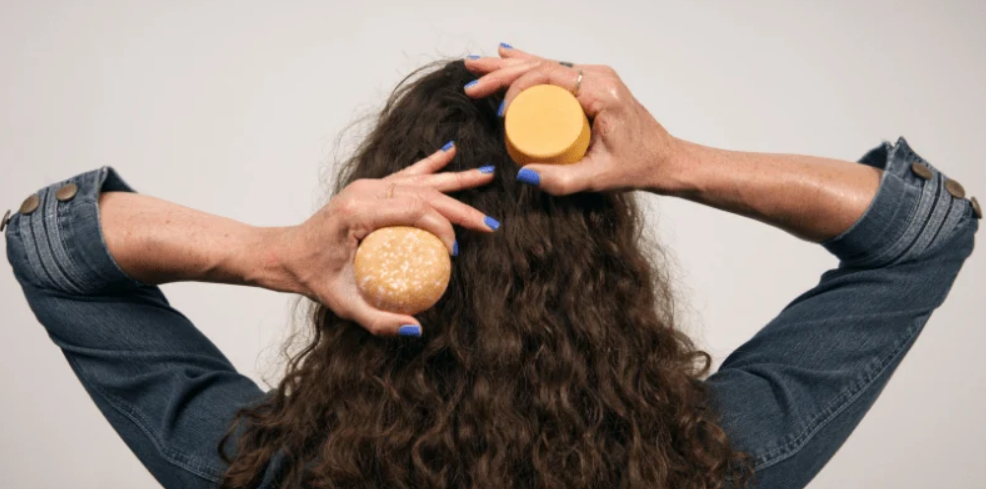
Frizzy hair can make even a simple hairstyle look messy and difficult to manage. Whether your hair is straight, wavy, curly, or coily, frizz can appear when the hair becomes dry, damaged, or exposed to humidity. Frequent heat styling, chemical treatments, rough brushing, and improper hair care can make the problem worse.
If you are wondering how to fix frizzy hair naturally, the key is to focus on moisture, gentle handling, and protecting the hair from unnecessary damage. You do not need a complicated routine or expensive products to make your hair look smoother.
Natural oils, moisturizing treatments, proper conditioning, and simple changes to your daily routine can help reduce the appearance of frizz and improve hair manageability.
What Causes Frizzy Hair?
Frizz can occur when the outer layer of the hair becomes rough or lifted, allowing moisture from the surrounding environment to affect the hair.
Common causes include:
- Dry hair
- Humid weather
- Excessive heat styling
- Chemical treatments
- Bleaching or frequent coloring
- Overwashing
- Harsh shampoos
- Rough towel drying
- Excessive brushing
- Split ends
- Lack of conditioning
- Hair breakage
Curly and wavy hair may naturally appear frizzier because of its texture, while damaged straight hair can also develop significant frizz.
Can You Fix Frizzy Hair Naturally?
You may not be able to eliminate frizz completely, but you can reduce its appearance by improving moisture and minimizing damage.
A natural anti-frizz routine should focus on:
- Keeping hair conditioned
- Using gentle hair-care techniques
- Reducing heat exposure
- Protecting the hair from friction
- Avoiding excessive chemical treatments
- Using lightweight natural oils when appropriate
The goal is healthier, smoother-looking hair rather than completely eliminating every flyaway.
1. Keep Your Hair Moisturized
Dryness is one of the most common reasons hair looks frizzy.
Use a moisturizing conditioner after shampooing and consider adding a deep-conditioning treatment once a week if your hair feels particularly dry.
Concentrate conditioner and hair masks on the mid-lengths and ends rather than applying heavy amounts to an oily scalp.
2. Use Coconut Oil
Coconut oil is a popular natural ingredient for dry and frizzy hair.
It can help condition the hair and make it feel softer and smoother.
How to Use It
Take a small amount of coconut oil and apply it to the lengths and ends.
Leave it on for approximately 20–30 minutes before shampooing.
If your hair is fine, start with a very small amount because coconut oil can weigh down some hair types.
3. Try Aloe Vera
Aloe vera can provide lightweight moisture and may be useful for dry, frizzy hair.
Simple Aloe Vera Hair Treatment
- 2 tablespoons aloe vera gel
- 1 teaspoon lightweight oil
Mix the ingredients and apply them to the hair lengths.
Leave the treatment on for around 15–20 minutes before rinsing.
Choose plain aloe vera gel and stop using it if it causes scalp or skin irritation.
4. Use Argan Oil for Frizz
Argan oil is a popular lightweight oil for smoothing dry hair.
Apply a few drops to damp or dry hair, concentrating on the ends.
Avoid using too much because excessive oil can make the hair appear greasy or heavy.
Argan oil can be particularly useful for taming small flyaways and adding shine.
5. Don’t Wash Your Hair With Very Hot Water
Very hot water can leave dry hair feeling rough and uncomfortable.
Use lukewarm water when washing your hair.
At the end of your shower, you can use cooler water if it feels comfortable.
The most important point is to avoid excessively hot water that can contribute to dryness.
6. Choose a Gentle Shampoo
A harsh shampoo can make already-dry hair feel even more stripped.
Choose a shampoo that suits your scalp and hair type.
If your scalp is oily but your lengths are dry, apply shampoo primarily to the scalp and allow the lather to rinse through the lengths rather than aggressively scrubbing the ends.
7. Never Skip Conditioner
Conditioner is one of the simplest ways to make frizzy hair feel smoother.
After shampooing, apply conditioner from the mid-lengths to the ends.
Leave it for a few minutes before rinsing.
For very dry hair, consider using a richer conditioner or deep-conditioning mask once a week.
8. Avoid Rough Towel Drying
Rubbing your hair aggressively with a regular towel can increase friction and make frizz more noticeable.
Instead:
- Gently squeeze out excess water.
- Use a microfiber towel or soft cotton T-shirt.
- Wrap the hair loosely.
- Avoid twisting or rubbing the hair aggressively.
This simple change can make a noticeable difference for some hair types.
9. Reduce Heat Styling
Frequent use of straighteners, curling irons, and high-heat blow dryers can contribute to dryness and breakage.
If you use heat tools:
- Apply heat protectant.
- Use moderate temperatures.
- Avoid repeated passes.
- Do not use heat on soaking-wet hair unless the tool is designed for it.
- Give your hair regular breaks from heat styling.
Reducing heat damage can help improve the overall appearance of frizzy hair.
10. Don’t Brush Curly or Wavy Hair When Dry
If you have naturally curly or wavy hair, brushing it while completely dry can disrupt the curl pattern and increase frizz.
Instead, detangle when the hair is damp and conditioned.
Use your fingers or a wide-tooth comb and work gently from the ends toward the roots.
Best Natural Ingredients for Frizzy Hair
Different natural ingredients can provide different conditioning effects.
| Natural Ingredient | Main Use | Best For |
|---|---|---|
| Coconut oil | Rich conditioning | Dry, coarse hair |
| Argan oil | Smoothing and shine | Frizzy hair |
| Aloe vera | Lightweight moisture | Dry or fine hair |
| Jojoba oil | Light conditioning | Fine or combination hair |
| Olive oil | Rich moisture | Very dry hair |
| Honey | Moisture support | Dry hair |
| Avocado | Conditioning | Thick, dry hair |
You do not need to use all of these ingredients. Start with one and see how your hair responds.
11. Try a Natural Hair Mask
A weekly hair mask can provide additional conditioning.
Honey and Yogurt Hair Mask
Mix:
- 2 tablespoons plain yogurt
- 1 tablespoon honey
Apply the mixture to damp hair, focusing on the lengths and ends.
Leave it for approximately 15–20 minutes and rinse thoroughly.
Follow with your regular conditioner if necessary.
12. Protect Your Hair While Sleeping
Friction from your pillow can contribute to tangling and frizz.
Consider using a satin or silk pillowcase.
You can also loosely gather long hair before sleeping rather than tying it tightly.
For curly or wavy hair, a loose protective style can help preserve the natural shape.
13. Avoid Tight Hairstyles
Tight ponytails, buns, and braids can create tension and contribute to breakage.
Choose looser hairstyles when possible.
If you frequently tie your hair back, change the position and style regularly.
14. Trim Split Ends
Split ends can make hair look rough and frizzy.
A trim does not make hair grow faster, but removing severely damaged ends can make the hair appear smoother and healthier.
If your ends are repeatedly splitting, reducing heat and chemical damage can help prevent the problem from returning quickly.
15. Use a Small Amount of Hair Oil
You do not need to completely soak your hair in oil.
For everyday frizz control, take a few drops of a lightweight oil and apply them to the ends and flyaways.
Good options include:
- Argan oil
- Jojoba oil
- Almond oil
- Coconut oil
Fine hair usually needs less oil than thick or coarse hair.
Hair Care Routine for Frizzy Hair
A simple routine can make frizz easier to manage.
| Step | What to Do |
|---|---|
| 1 | Wash with a gentle shampoo |
| 2 | Apply conditioner |
| 3 | Detangle gently |
| 4 | Apply leave-in conditioner |
| 5 | Add a small amount of hair oil |
| 6 | Dry hair gently |
| 7 | Use heat protectant before styling |
| 8 | Protect hair while sleeping |
Consistency is more important than using a large number of products.
How to Fix Frizzy Hair Overnight
You cannot completely repair damaged hair overnight, but you can make it look smoother by following a few simple steps.
Before bed:
- Gently detangle your hair.
- Apply a small amount of leave-in conditioner if needed.
- Smooth a few drops of lightweight oil over the ends.
- Use a satin or silk pillowcase.
- Keep hair loosely tied if necessary.
In the morning, refresh the hair with a small amount of water and leave-in conditioner rather than brushing aggressively.
Common Mistakes That Make Frizz Worse
Brushing Too Much
Frequent brushing can increase friction and disrupt natural texture.
Using Too Much Heat
High temperatures can damage the hair and increase dryness.
Skipping Conditioner
Dry hair is generally more difficult to manage.
Using Too Much Oil
Excess oil can make hair greasy without necessarily improving frizz.
Washing With Very Hot Water
Very hot water can make dry hair feel less comfortable.
Rubbing Hair With a Towel
Aggressive rubbing creates unnecessary friction.
Overusing DIY Treatments
Natural ingredients can still irritate your scalp or weigh down your hair. Keep your routine simple.
How to Prevent Frizzy Hair in Humid Weather
Humidity can make frizz particularly noticeable.
To manage it:
- Keep your hair well conditioned.
- Use a lightweight leave-in conditioner.
- Apply a small amount of smoothing product.
- Avoid excessive brushing.
- Protect curly hair with suitable styling products.
- Keep heat styling to a minimum.
- Avoid touching your hair repeatedly.
For naturally curly or wavy hair, using a styling gel or cream can help create a protective layer and maintain curl definition.
When Should You See a Professional?
Frizz is usually a cosmetic concern, but sudden changes in hair texture can sometimes occur alongside other hair or scalp problems.
Consider professional advice if you experience:
- Sudden or significant hair loss
- Severe scalp itching
- Persistent redness
- Pain or inflammation
- Excessive scaling
- Severe hair breakage
- Rapid changes in hair texture
A professional can help determine whether an underlying scalp or hair condition is contributing to the problem.
FAQs About How to Fix Frizzy Hair Naturally
1. How can I fix frizzy hair naturally?
Keep your hair moisturized, use conditioner regularly, reduce heat styling, avoid rough towel drying, detangle gently, and use a small amount of natural oil on dry ends.
2. What is the best natural oil for frizzy hair?
Argan oil is a popular lightweight choice for smoothing frizz. Coconut, jojoba, olive, and almond oils can also work depending on your hair type.
3. Does coconut oil reduce frizz?
Coconut oil can condition dry hair and make it feel softer and smoother. Use a small amount because too much can weigh down the hair.
4. How often should I use a hair mask for frizzy hair?
Once a week is a good starting point for dry or frizzy hair. Fine hair may need less frequent treatment.
5. Can aloe vera help with frizzy hair?
Aloe vera can provide lightweight moisture and may help dry hair feel smoother. Results vary depending on hair type.
6. Why does my hair become frizzy after washing?
Frizz after washing can be related to dryness, rough towel drying, excessive cleansing, heat, or the natural texture of your hair. Try gentler cleansing and regular conditioning.
7. How can I reduce frizz overnight?
Use a satin or silk pillowcase, apply a small amount of leave-in conditioner or oil, and loosely protect your hair while sleeping.
8. Does cutting hair reduce frizz?
Trimming damaged and split ends can make hair look smoother, but cutting the hair does not change its natural texture or eliminate frizz permanently.
9. Is frizzy hair a sign of damaged hair?
Not always. Naturally curly, wavy, or coarse hair can be frizzy even when healthy. However, excessive dryness, breakage, and split ends can make frizz more noticeable.
10. Can I permanently get rid of frizzy hair?
It is difficult to eliminate frizz permanently because hair texture and environmental conditions naturally influence it. Consistent conditioning and gentle hair care can significantly improve manageability and appearance.
Final Thoughts
Learning how to fix frizzy hair naturally is mainly about improving moisture and reducing unnecessary damage. Use a gentle shampoo, condition regularly, avoid aggressive towel drying, reduce excessive heat, and protect your hair while sleeping.
Natural ingredients such as coconut oil, argan oil, aloe vera, honey, and jojoba oil can be useful additions to a simple hair-care routine. However, use them in moderation and choose ingredients according to your hair type.
With consistent care and a little patience, you can make dry and frizzy hair feel softer, smoother, and easier to manage without relying on an overly complicated routine.