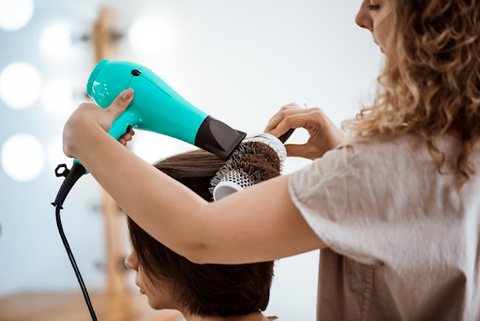
Heat styling tools such as straighteners, curling irons, and blow dryers can help create beautiful hairstyles, but frequent use may lead to dryness, breakage, and damage if proper care is not taken. The good news is that you can continue enjoying your favorite hairstyles while maintaining healthy-looking hair with the right routine and protective habits.
Learning how to maintain healthy hair while using heat styling tools regularly involves choosing suitable products, controlling heat exposure, improving hair care habits, and giving your hair enough moisture and protection.
This guide explains effective strategies to protect your hair from heat damage while keeping it smooth, strong, and manageable.
How Heat Styling Affects Hair
Heat styling works by changing the structure of the hair to create a desired shape. However, repeated exposure to high temperatures can weaken the hair shaft.
Common signs of heat damage include:
- Dryness
- Split ends
- Frizz
- Lack of shine
- Hair breakage
- Rough texture
- Difficulty maintaining hairstyles
Understanding how heat affects your hair helps you create better protective habits.
Always Use a Heat Protectant
A heat protectant is one of the most important steps before using any styling tool.
Heat protectants create a protective layer around the hair, helping reduce moisture loss caused by high temperatures.
Look for ingredients such as:
- Argan oil
- Keratin
- Silicone-based protectants
- Panthenol
- Aloe vera
Apply the product evenly from mid-length to ends before using heat.
Choose the Right Heat Setting
Using the highest temperature does not always create better results. Excessive heat increases the risk of damage.
Choose temperatures based on your hair type:
- Fine hair: Lower heat settings
- Normal hair: Medium heat settings
- Thick or coarse hair: Moderate to higher settings when needed
Avoid repeatedly passing the tool over the same section of hair.
Avoid Styling Wet Hair with Heat Tools
Using straighteners or curling irons on wet hair can cause serious damage because the water inside the hair strand can rapidly heat and weaken the structure.
Before styling:
- Allow hair to dry completely.
- Use a blow dryer on a lower setting if needed.
- Avoid applying direct heat to damp sections.
Dry hair responds better to heat styling and reduces the risk of breakage.
Maintain a Hydrating Hair Care Routine
Regular heat styling can remove moisture from the hair.
Support your hair by using:
- Hydrating shampoos
- Nourishing conditioners
- Hair masks
- Leave-in treatments
Moisture helps improve softness, flexibility, and overall hair appearance.
Use Deep Conditioning Treatments
Deep conditioning treatments provide extra care for hair exposed to frequent heat.
Benefits include:
- Improved hydration
- Reduced dryness
- Smoother texture
- Less visible damage
Using a deep conditioner once a week can help maintain healthier-looking hair.
Trim Hair Regularly
Regular trims help prevent split ends from traveling further up the hair shaft.
You do not need to remove a large amount of length. Small trims can help maintain:
- Cleaner ends
- Better shape
- Smoother appearance
Healthy ends make styled hair look better and feel softer.
Avoid Daily Heat Styling When Possible
Even with protective products, frequent heat exposure can add stress to your hair.
Try alternatives such as:
- Heatless curls
- Braids
- Air-drying styles
- Protective hairstyles
Giving your hair occasional breaks helps maintain strength and moisture.
Best Hair Care Practices for Heat Styling
| Hair Care Step | Benefit |
|---|---|
| Heat Protectant | Reduces heat-related stress |
| Lower Temperature Settings | Minimizes damage risk |
| Deep Conditioning | Restores moisture |
| Regular Trims | Removes damaged ends |
| Leave-In Conditioner | Improves softness |
| Gentle Brushing | Prevents unnecessary breakage |
| Hair Masks | Provides extra nourishment |
| Heat-Free Styling Days | Allows hair recovery |
Be Gentle When Brushing
Heat-styled hair can become more fragile, especially if it is dry.
Use gentle brushing techniques:
- Start from the ends and work upward.
- Avoid aggressive pulling.
- Use wide-tooth combs when hair is wet.
- Detangle carefully before styling.
Reducing mechanical stress helps prevent unnecessary breakage.
Protect Hair Overnight
Your nighttime routine can affect how your hair looks the next day.
Helpful habits include:
- Using a silk or satin pillowcase
- Loosely tying hair before sleeping
- Avoiding tight hairstyles
- Applying lightweight hair oils if needed
These steps reduce friction and help maintain smoother hair.
Choose Quality Styling Tools
The quality of your styling tools can affect how much stress your hair experiences.
Look for features such as:
- Adjustable temperature settings
- Even heat distribution
- Ceramic or tourmaline plates
- Automatic shut-off features
Better tools allow more controlled styling.
Avoid Product Buildup
Too many styling products can make hair feel heavy and dull.
Use products carefully and occasionally clarify your hair if needed.
Remove buildup from:
- Styling sprays
- Oils
- Serums
- Dry shampoos
Clean hair responds better to heat styling.
Common Heat Styling Mistakes
Avoid these common mistakes:
- Using heat without protection
- Styling hair at maximum temperature
- Repeatedly going over the same section
- Using tools on wet hair
- Skipping conditioning
- Ignoring split ends
Small changes can significantly improve hair health.
Benefits of Proper Heat Styling Care
A protective routine can help you achieve:
- Softer hair
- Reduced breakage
- Better shine
- Improved manageability
- Longer-lasting hairstyles
- Healthier-looking ends
The goal is to balance styling with proper maintenance.
Conclusion
Maintaining healthy hair while using heat styling tools regularly requires a combination of protection, hydration, and smart styling habits. Using heat protectants, choosing suitable temperatures, deep conditioning regularly, trimming damaged ends, and giving your hair occasional breaks can help reduce damage and maintain a smooth, healthy appearance. With the right approach, you can enjoy heat styling while keeping your hair strong, shiny, and manageable.
Frequently Asked Questions (FAQs)
1. How often can I use heat styling tools without damaging my hair?
The ideal frequency depends on your hair type and condition, but reducing heat exposure and using protective products can help minimize damage.
2. Is heat protectant necessary every time I style my hair?
Yes. Using a heat protectant before each heat styling session helps create a protective barrier and reduce moisture loss.
3. What temperature is safest for hair styling?
Lower temperatures are generally safer. Use the lowest setting that effectively styles your hair.
4. Can damaged hair from heat styling be repaired?
While severely damaged hair cannot be completely restored, proper care, conditioning treatments, and trims can improve its appearance and strength.
5. Should I avoid heat styling completely for healthy hair?
No. Heat styling can be part of a healthy hair routine when done carefully with proper protection and maintenance.