Acne scars are a common skin concern that many people experience after dealing with breakouts. While acne itself can be frustrating, the marks left behind can affect confidence and make the skin appear uneven. The good news is that with proper skincare habits, natural approaches, and patience, you can improve the appearance of acne scars safely.
If you are wondering how to remove acne scars naturally and safely, this guide explains effective home care tips, skincare ingredients, lifestyle habits, and mistakes to avoid for healthier-looking skin.
Understanding Acne Scars
Before choosing a treatment approach, it is important to understand what type of marks you have.
Acne-related marks are usually divided into two main categories:
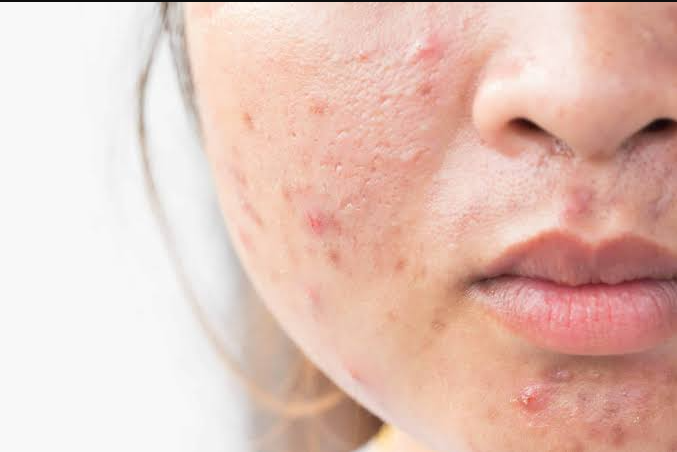
Post-Acne Marks
These are flat areas of discoloration left after pimples heal.
They may appear as:
- Dark spots
- Red marks
- Uneven skin tone
These marks often improve gradually with proper skincare and sun protection.
Acne Scars
True acne scars involve changes in skin texture.
They may include:
- Depressed scars
- Raised scars
- Uneven skin surface
Some deeper scars may require professional treatments, but a good skincare routine can help improve the overall appearance of the skin.
Step 1: Keep Your Skin Clean and Gentle
A consistent cleansing routine is the foundation of healthy-looking skin.
Wash your face gently twice daily to remove:
- Excess oil
- Dirt
- Sweat
- Environmental impurities
Avoid harsh scrubbing because it can irritate the skin and make marks appear more noticeable.
Choose gentle cleansers that support your skin barrier rather than leaving your face feeling dry or tight.
Step 2: Never Skip Sunscreen
Sun protection is one of the most important steps when dealing with acne scars and dark marks.
Sun exposure can make pigmentation appear darker and slow down the improvement process.
Using sunscreen daily helps:
- Protect healing skin
- Prevent dark spots from becoming more visible
- Maintain a more even-looking complexion
Choose a sunscreen suitable for your skin type and apply it consistently.
Step 3: Use Aloe Vera for Skin Support
Aloe vera is a popular natural skincare ingredient because of its soothing and hydrating properties.
It may help:
- Calm irritated skin
- Provide moisture
- Support a healthier-looking complexion
Apply a small amount of pure aloe vera gel to clean skin and allow it to absorb.
Always perform a patch test before using any natural ingredient on your face.
Step 4: Try Honey as a Natural Moisturizer
Honey has been traditionally used in skincare routines because of its moisturizing qualities.
It can help leave skin feeling:
- Soft
- Hydrated
- Refreshed
Apply a thin layer to the skin for a short period and rinse gently with water.
Avoid using honey if you have known allergies or skin sensitivity.
Step 5: Exfoliate Carefully
Exfoliation helps remove dead skin cells that can contribute to dull-looking skin.
However, people with acne scars should avoid aggressive scrubbing.
Safe exfoliation habits include:
- Using gentle exfoliating products
- Limiting exfoliation frequency
- Avoiding harsh physical scrubs
Over-exfoliating can damage the skin barrier and increase irritation.
Step 6: Use Skin-Brightening Ingredients
Certain skincare ingredients are commonly used to improve the appearance of dark marks and uneven skin tone.
Popular options include:
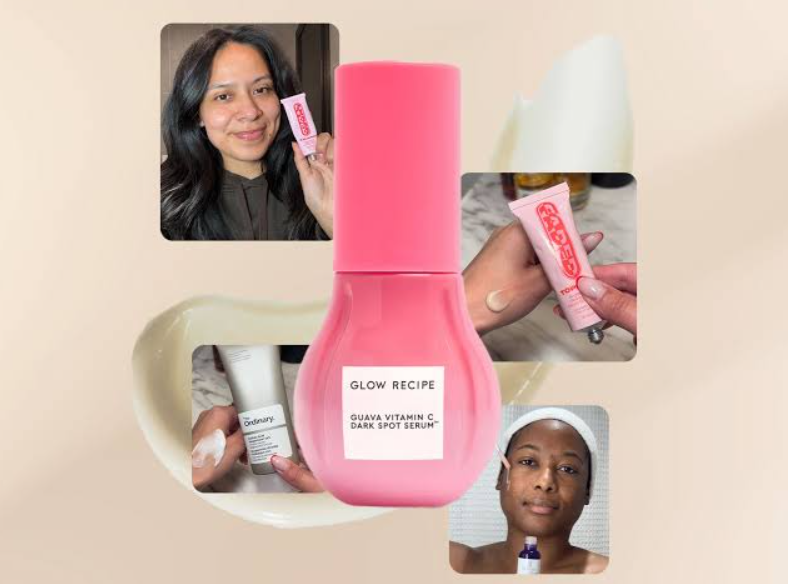
Vitamin C
Vitamin C is widely used in skincare routines focused on brightness and improving the appearance of discoloration.
Niacinamide
Niacinamide is a gentle ingredient often included in products designed to support an even-looking complexion.
Hyaluronic Acid
Hyaluronic acid helps maintain hydration, which can make skin appear smoother and healthier.
Introduce new ingredients slowly to avoid irritation.
Step 7: Keep Your Skin Hydrated
Healthy hydration is important for maintaining a strong skin barrier.
A good moisturizer can help:
- Reduce dryness
- Improve skin comfort
- Support smoother-looking skin
Even oily and acne-prone skin needs proper hydration.
Choose a moisturizer that matches your skin type and does not feel heavy.
Step 8: Maintain a Healthy Diet
Your lifestyle can influence the appearance of your skin.
Support healthy skin habits by including:
- Fruits and vegetables
- Protein-rich foods
- Healthy fats
- Whole grains
- Enough water
A balanced diet provides nutrients that support overall skin health.
Step 9: Avoid Picking Pimples
One of the biggest causes of worsening acne marks is picking or squeezing pimples.
This habit can:
- Increase inflammation
- Damage the skin
- Make scars more noticeable
- Slow the healing process
Allow breakouts to heal naturally and use suitable skincare products instead.
Natural Home Remedies for Acne Scars
Many people try natural ingredients as part of their skincare routine.
Popular options include:
Aloe Vera Gel
Used for soothing and hydration.
Honey
Used for moisture and skin comfort.
Green Tea
Often used in skincare because of its antioxidant properties.
Oatmeal
Can be used in gentle homemade masks to help skin feel soft.
Remember that natural does not always mean risk-free. Always test ingredients before applying them to your entire face.
Common Mistakes That Can Worsen Acne Scars
Avoid these habits:
- Skipping sunscreen
- Using harsh scrubs
- Applying too many products at once
- Picking acne
- Changing skincare routines too frequently
- Using irritating ingredients
- Sleeping with makeup on
Simple and consistent care is usually more effective than aggressive treatments.
How Long Does It Take to Improve Acne Scars?
The time required depends on:
- Type of scars
- Skin type
- Skincare routine
- Lifestyle habits
- Consistency
Dark marks may gradually fade with proper care, while deeper texture scars often require more targeted approaches.
Patience is essential because skin improvement usually happens gradually.
When to Consider Professional Treatments
Natural skincare can help improve the appearance of many acne marks, but some deeper scars may benefit from professional advice.
A dermatologist can recommend options based on your skin condition and goals.
Professional treatments may include specialized procedures designed to improve skin texture and appearance.
Simple Daily Routine for Acne Scars
A basic routine can include:
Morning:
- Gentle cleanser
- Vitamin C or brightening serum
- Moisturizer
- Sunscreen
Evening:
- Cleanser
- Treatment product (if suitable)
- Moisturizer
Consistency is the most important factor.
Final Thoughts
Learning how to remove acne scars naturally and safely requires patience, gentle skincare, and healthy habits. While acne scars may not disappear overnight, a consistent routine using hydration, sun protection, soothing ingredients, and proper skin care can help improve the appearance of marks over time.
Avoid harsh treatments and quick fixes that may damage your skin. Instead, focus on protecting your skin barrier, using suitable products, and maintaining healthy daily habits.
With regular care and realistic expectations, you can support clearer-looking, smoother, and healthier skin naturally and safely.