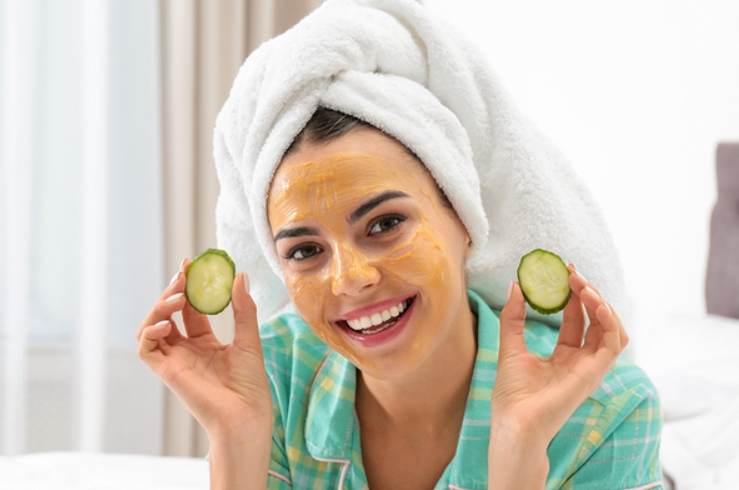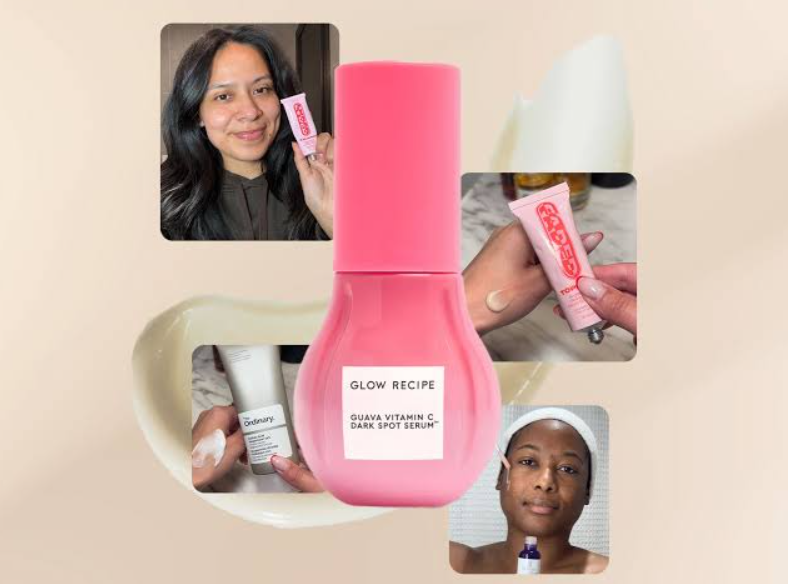
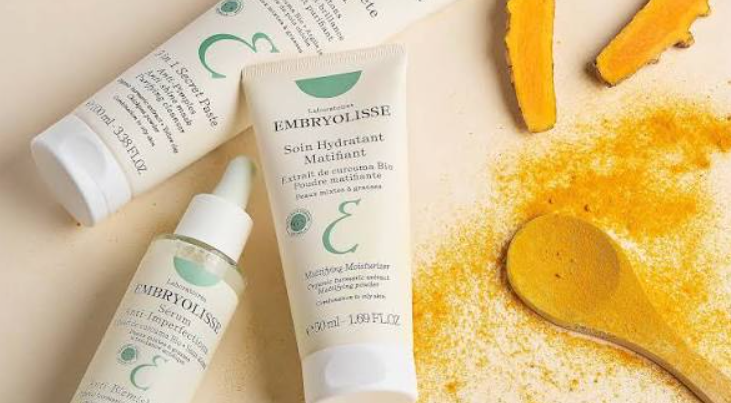
Finding the right natural skincare products for acne prone skin can be challenging. Many people prefer plant-based or naturally derived ingredients because they want a simpler skincare routine. However, natural does not automatically mean gentle or suitable for acne-prone skin.
The best approach is to choose simple products that support your skin without adding unnecessary irritation. Acne-prone skin can be oily, dry, sensitive, or a combination of these, so your skincare routine should match your individual needs.
In this guide, we will explore natural skincare ingredients that may be useful for acne-prone skin, how to build a simple routine, which ingredients to approach carefully, and common mistakes to avoid.
What Is Acne-Prone Skin?
Acne-prone skin tends to develop blemishes more easily than other skin types. Common concerns include:
- Blackheads
- Whiteheads
- Pimples
- Excess oil
- Clogged pores
- Occasional inflammation
- Post-acne dark spots
Acne-prone skin does not always mean oily skin. Some people experience acne while also having dry or sensitive skin.
This is why choosing skincare based only on the word “natural” may not be enough.
Best Natural Skincare Ingredients for Acne-Prone Skin
Several naturally derived ingredients are commonly used in skincare products designed for blemish-prone skin.
| Natural Ingredient | Potential Benefit | Best Use |
|---|---|---|
| Aloe vera | Soothing and hydrating | Moisturizers and gels |
| Green tea | Antioxidant properties | Serums and toners |
| Tea tree | Traditionally used for blemish-prone skin | Properly formulated spot products |
| Jojoba oil | Lightweight moisturizing | Dry or combination skin |
| Oatmeal | Can help soothe skin | Cleansers and moisturizers |
| Honey | Humectant and skin-conditioning | Formulated masks or cleansers |
| Rosehip oil | Contains fatty acids and antioxidants | Moisturizing products |
| Chamomile | Soothing properties | Gentle skincare formulas |
| Witch hazel | May help reduce surface oil | Carefully formulated products |
The effect of any ingredient can vary from person to person. Always consider the complete formula rather than focusing on one ingredient.
1. Aloe Vera
Aloe vera is a popular natural skincare ingredient because of its lightweight, soothing feel.
For acne-prone skin, an aloe-based gel or moisturizer may be useful when you want hydration without a heavy texture.
Look for products with a simple formula rather than applying raw plant material directly to your face.
How to Use Aloe Vera
You can look for:
- Aloe-based moisturizer
- Lightweight aloe gel
- Soothing skincare products
If a product causes burning, redness, or itching, stop using it.
2. Green Tea
Green tea is rich in naturally occurring antioxidants and is commonly included in skincare products.
It may be particularly appealing if you want a lightweight product for oily or combination skin.
Green tea can appear in:
- Serums
- Toners
- Cleansers
- Moisturizers
Choose a properly formulated skincare product rather than relying on homemade preparations.
3. Tea Tree
Tea tree is one of the most popular natural ingredients associated with acne skincare.
It is commonly included in products intended for blemish-prone skin.
However, concentrated tea tree essential oil can be irritating when applied directly to the skin.
For this reason, avoid applying undiluted essential oils directly to active acne.
Instead, choose a properly formulated product designed for facial use.
4. Oatmeal
Oatmeal is often used in skincare designed for sensitive or uncomfortable skin.
It can help provide a soothing and moisturizing experience.
Oat-based products may be useful when acne-prone skin is also dry or sensitive.
Look for:
- Oat-based moisturizers
- Gentle cleansers
- Soothing creams
Avoid harsh homemade scrubs made from coarse oatmeal because physical scrubbing can irritate acne-prone skin.
5. Jojoba Oil
Jojoba oil is a popular plant-derived ingredient used in moisturizers and facial oils.
It has a lightweight feel and can be suitable for some people with combination or dry skin.
However, facial oils are not necessary for everyone with acne-prone skin.
If your skin tends to become very oily or clogged easily, test an oil-based product carefully before making it part of your daily routine.
6. Honey
Honey is naturally rich in compounds that can make it appealing for skincare.
It can be found in various cleansers, masks, and moisturizers.
However, applying kitchen honey directly to your face is not necessarily the same as using a professionally formulated skincare product.
For a safer and more predictable experience, choose a cosmetic product containing honey rather than relying on homemade mixtures.
7. Rosehip Oil
Rosehip oil contains naturally occurring fatty acids and other compounds that are commonly used in skincare.
It can provide moisturizing benefits, especially for people whose acne-prone skin also feels dry.
However, facial oils are optional.
If you are prone to clogged pores, introduce any new oil gradually and monitor how your skin responds.
8. Chamomile
Chamomile is commonly included in soothing skincare products.
It may be useful in moisturizers, cleansers, and other formulas intended for sensitive skin.
However, people with plant allergies can sometimes react to botanical ingredients, so natural ingredients should still be introduced carefully.
Natural Skincare Routine for Acne-Prone Skin
A simple routine is often easier to maintain than a complicated one.
Morning Routine
1. Gentle cleanser
Clean your face without aggressive scrubbing.
2. Lightweight moisturizer
Use a moisturizer suitable for your skin type.
3. Sunscreen
Finish with broad-spectrum sunscreen.
Sunscreen is especially important if you are concerned about dark spots left after acne.
Night Routine
1. Remove makeup
If you wear makeup, remove it gently.
2. Cleanse
Use your gentle cleanser.
3. Treatment
If you use an acne treatment, apply it according to its instructions.
4. Moisturizer
Finish with a comfortable moisturizer.
You do not need to use multiple natural ingredients every night.
Natural Skincare Routine for Oily Acne-Prone Skin
If your skin is oily and acne-prone, choose lightweight products.
A simple routine can include:
- Gentle gel cleanser
- Lightweight moisturizer
- Green-tea-based serum if tolerated
- Broad-spectrum sunscreen
- Properly formulated blemish treatment
Avoid using harsh products simply because your skin is oily.
Over-cleansing can leave the skin uncomfortable and may encourage you to use even more aggressive products.
Natural Skincare Routine for Dry Acne-Prone Skin
Acne-prone skin can also be dry.
In this situation, focus on maintaining comfortable hydration.
Try:
Gentle cleanser → Moisturizer → Sunscreen
At night:
Gentle cleanser → Moisturizer
Ingredients such as aloe vera, oatmeal, glycerin, and other moisturizing ingredients can be found in products designed for dry or sensitive skin.
Natural Skincare for Acne and Dark Spots
Acne can sometimes leave dark marks behind.
If dark spots are a concern, daily sunscreen should be an important part of your routine.
You can also look for skincare products containing ingredients such as:
- Green tea
- Licorice-derived ingredients
- Vitamin C
- Niacinamide
Not all of these are technically “natural” ingredients, but they can be useful additions if your goal is to address post-acne discoloration.
Avoid trying to remove dark spots by aggressively scrubbing the skin.
Natural Products to Be Careful With
Natural skincare can still irritate the skin.
Some popular DIY ingredients may be too harsh for facial use.
Lemon Juice
Lemon juice is sometimes promoted as a natural remedy for dark spots and acne.
However, applying acidic kitchen ingredients directly to the face can cause irritation and make skin more sensitive.
It is better to use products formulated specifically for facial skin.
Baking Soda
Baking soda is sometimes recommended as a DIY cleanser or exfoliant.
It can be too harsh for facial skin and may leave the skin feeling irritated or uncomfortable.
Undiluted Essential Oils
Essential oils can be highly concentrated.
Do not assume that a plant-based ingredient is automatically safe to apply directly to your face.
Use properly formulated skincare products instead.
Sugar Scrubs
Physical scrubs can be abrasive, especially when used on active acne.
Aggressive exfoliation can make irritated skin feel worse.
How to Choose Natural Skincare Products
When shopping for natural skincare, do not focus only on marketing terms.
Check:
Ingredient List
Read the ingredients rather than relying only on claims such as “natural” or “organic.”
Skin Type
Choose products designed for oily, dry, combination, or sensitive skin as appropriate.
Fragrance
If fragrance irritates your skin, consider fragrance-free products.
Texture
Lightweight lotions and gels may be more comfortable for oily skin.
Product Purpose
Choose products that address an actual skincare need rather than buying several products simply because they contain natural ingredients.
How to Patch Test New Products
Before introducing a new skincare product, consider testing it on a small area of skin first.
This can help you notice obvious irritation before applying the product more widely.
However, a small test cannot guarantee that a product will never cause a reaction.
Introduce one new product at a time so it is easier to identify potential problems.
If you experience significant irritation, discontinue the product.
Common Mistakes When Using Natural Skincare for Acne
Using Too Many Ingredients
Combining aloe, tea tree, oils, scrubs, masks, and multiple other products can make your routine unnecessarily complicated.
Assuming Natural Means Safe
Natural ingredients can still cause irritation or allergies.
Picking at Acne
Touching or squeezing blemishes can increase irritation and may contribute to lingering marks.
Skipping Moisturizer
Acne-prone skin still needs appropriate hydration.
Forgetting Sunscreen
Sun exposure can make post-acne discoloration more noticeable.
Expecting Overnight Results
Skincare usually requires consistency.
Give a new routine enough time to evaluate how your skin responds, unless a product causes irritation.
Are Natural Products Enough to Treat Acne?
Natural skincare products may help support a simple skincare routine, but they are not guaranteed to clear acne.
For persistent, painful, widespread, or scarring acne, professional medical advice may be appropriate.
A dermatologist can help determine the type and severity of acne and recommend suitable treatment.
Natural skincare can be used as part of a routine, but it should not replace appropriate medical treatment when treatment is needed.
Affordable Natural Skincare Routine
You do not need to spend a lot of money.
A simple routine can include:
| Step | Affordable Option |
|---|---|
| Cleanser | Gentle fragrance-free cleanser |
| Moisturizer | Lightweight aloe or oat-based moisturizer |
| Treatment | Properly formulated blemish product |
| Sunscreen | Broad-spectrum sunscreen |
| Optional serum | Green tea or other gentle formula |
Start with the essentials and add products only when necessary.
FAQs About Natural Skincare Products for Acne-Prone Skin
1. What are the best natural skincare products for acne-prone skin?
Aloe vera, green tea, oatmeal, and properly formulated tea tree products are commonly used in skincare for blemish-prone skin. Choose products based on your skin’s individual needs.
2. Is natural skincare good for acne?
Natural skincare can support a simple routine, but natural ingredients are not automatically effective for acne. Persistent acne may require proven acne treatments or professional advice.
3. Can I use aloe vera on acne-prone skin?
Aloe-based skincare can provide lightweight hydration and may feel soothing. Choose a properly formulated product and stop using it if it irritates your skin.
4. Is tea tree oil good for acne?
Tea tree is commonly included in blemish-focused skincare. However, undiluted tea tree essential oil can irritate the skin, so use a properly formulated product instead.
5. Can I use coconut oil on acne-prone skin?
Coconut oil can feel heavy for some people and may not be suitable if you are prone to clogged pores. Consider a lightweight, non-comedogenic moisturizer instead.
6. Can honey remove acne?
Honey is used in some skincare products, but applying kitchen honey directly to acne is not a guaranteed treatment. Properly formulated skincare is generally more predictable.
7. What natural ingredients should I avoid on acne?
Avoid harsh DIY ingredients such as lemon juice, baking soda, abrasive scrubs, and undiluted essential oils. They may irritate acne-prone skin.
8. Should acne-prone skin use moisturizer?
Yes. Acne-prone skin can still become dry or irritated. Choose a lightweight moisturizer that feels comfortable and does not cause problems for your skin.
9. Is natural skincare safe for sensitive acne-prone skin?
Not always. Botanical ingredients and essential oils can still cause irritation or allergic reactions. Introduce new products carefully and pay attention to how your skin responds.
10. When should I see a dermatologist for acne?
Consider professional advice if acne is painful, persistent, severe, widespread, or leaving scars or significant marks. A dermatologist can recommend appropriate treatment based on your specific skin condition.
Final Thoughts
The best natural skincare products for acne-prone skin are not necessarily the products with the longest list of plant-based ingredients. A simple routine using gentle, properly formulated products is often a more practical approach.
Ingredients such as aloe vera, green tea, oatmeal, and properly formulated tea tree products can be useful additions for some people. At the same time, avoid assuming that DIY ingredients such as lemon juice, baking soda, or undiluted essential oils are safe simply because they are natural.
Keep your routine simple, introduce new products gradually, moisturize regularly, and use sunscreen during the day. If acne is persistent or severe, consider professional treatment rather than relying only on natural skincare.