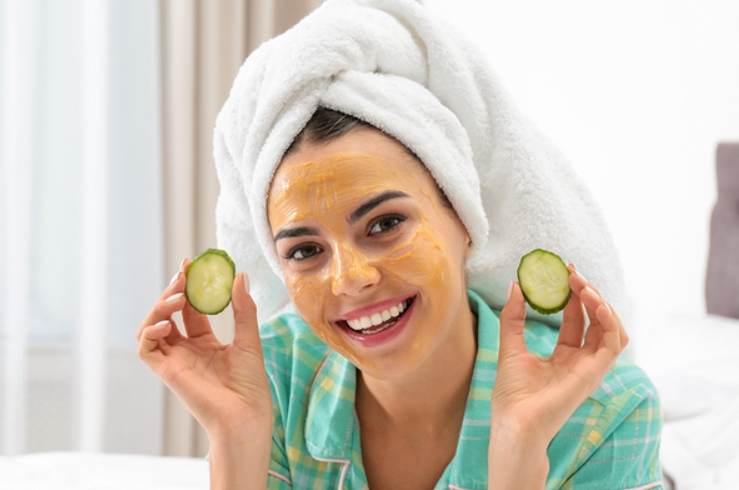

A consistent nighttime skincare routine can make a significant difference in how your skin looks and feels. While you sleep, your skin goes through a natural recovery process, making nighttime the perfect opportunity to provide hydration, nourishment, and targeted care.
A simple nighttime skincare routine does not require dozens of products. The most effective routines focus on a few essential steps: cleansing, treating specific concerns, moisturizing, and supporting the skin barrier. With the right products and consistent habits, you can achieve smoother, healthier-looking, and more radiant skin.
Why a Nighttime Skincare Routine Is Important
During the day, your skin is exposed to environmental factors such as pollution, sunlight, dirt, and makeup. At night, your skin has time to recover from these daily stresses.
A good nighttime routine can help:
- Remove dirt and makeup buildup
- Maintain skin hydration
- Improve the appearance of skin texture
- Support skin renewal
- Reduce the appearance of dullness
- Keep the skin barrier healthy
The goal of nighttime skincare is not to overload your skin but to provide the care it needs to look refreshed by morning.
Step 1: Remove Makeup and Sunscreen
The first step of any nighttime skincare routine is removing makeup, sunscreen, and daily buildup.
Even if you do not wear makeup, sunscreen and environmental particles can remain on your skin throughout the day. Sleeping with these products on may contribute to clogged pores and an uneven-looking complexion.
You can use:
- Micellar water
- Cleansing balm
- Cleansing oil
- Makeup remover
Choose a gentle product that removes impurities without irritating your skin.
Step 2: Cleanse Your Face
After removing makeup or sunscreen, cleanse your face to remove remaining oil, sweat, and impurities.
A good nighttime cleanser should:
- Clean effectively
- Protect the skin barrier
- Avoid excessive dryness
Choose a cleanser based on your skin type:
Dry Skin
Look for creamy or hydrating cleansers containing ingredients like glycerin or ceramides.
Oily Skin
A gentle foaming cleanser can help remove excess oil without being too harsh.
Sensitive Skin
Choose fragrance-free formulas with soothing ingredients.
Avoid washing your face too aggressively, as this can damage the skin barrier.
Step 3: Use a Toner (Optional)
Toner is not essential for everyone, but some people enjoy using it as an additional skincare step.
A good toner can help:
- Add lightweight hydration
- Prepare skin for serums
- Refresh the complexion
Hydrating toners often contain ingredients such as:
- Aloe vera
- Rose water
- Hyaluronic acid
- Green tea extract
Avoid alcohol-heavy toners that may cause dryness.
Step 4: Apply a Targeted Serum
Serums are concentrated products designed to address specific skin concerns. Applying a serum at night allows active ingredients to work while your skin rests.
Choose a serum based on your goals:
For Hydration
Look for:
- Hyaluronic acid
- Panthenol
- Glycerin
These ingredients help skin appear plumper and more hydrated.
For Brightening
Look for:
- Vitamin C derivatives
- Niacinamide
- Antioxidants
These ingredients can help improve the appearance of dull and uneven-looking skin.
For Fine Lines and Texture
Consider:
- Retinol
- Peptides
These ingredients are commonly used in nighttime routines focused on improving the appearance of aging skin.
Introduce stronger ingredients slowly to avoid irritation.
Step 5: Apply Eye Cream
The skin around the eyes is thinner and more delicate than other areas of the face.
An eye cream can help improve the appearance of:
- Dryness
- Fine lines
- Tired-looking eyes
- Puffiness
Common ingredients include:
- Caffeine
- Peptides
- Hyaluronic acid
- Niacinamide
Apply gently using your ring finger and avoid rubbing the delicate eye area.
Step 6: Moisturize Your Skin
Moisturizer is one of the most important steps in a nighttime skincare routine.
A good night moisturizer helps:
- Lock in hydration
- Support the skin barrier
- Prevent dryness
- Leave skin feeling soft
Look for ingredients such as:
- Ceramides
- Shea butter
- Squalane
- Hyaluronic acid
Choose a lightweight moisturizer for oily skin and a richer cream for dry skin.
Step 7: Use Facial Oil (Optional)
Facial oils are optional and work best for people who enjoy extra nourishment in their routine.
Oils can help seal moisture and provide a healthy-looking glow.
Popular options include:
- Rosehip oil
- Jojoba oil
- Squalane oil
Apply a few drops after moisturizer if your skin benefits from additional hydration.
Weekly Treatments for Glowing Skin
In addition to your daily nighttime routine, occasional treatments can support smoother-looking skin.
Exfoliation
Gentle exfoliation helps remove dead skin cells and improve the appearance of texture.
Options include:
- Chemical exfoliants
- Enzyme treatments
- Gentle exfoliating products
Avoid exfoliating too often because it can cause irritation.
Face Masks
Hydrating masks can help skin feel refreshed and comfortable.
Look for masks containing:
- Aloe vera
- Hyaluronic acid
- Honey
- Ceramides
Clay masks may be useful for oily areas but should not be overused.
Nighttime Skincare Routine Based on Skin Type
For Dry Skin
Focus on:
- Hydrating cleanser
- Moisturizing serum
- Rich moisturizer
- Nourishing facial oil if needed
Avoid products that remove too much natural oil.
For Oily Skin
Focus on:
- Gentle cleanser
- Lightweight serum
- Oil-free moisturizer
- Occasional exfoliation
Avoid heavy products that feel greasy.
For Combination Skin
Use balance-focused products:
- Gentle cleanser
- Hydrating serum
- Lightweight moisturizer
- Targeted treatments for oily areas
For Sensitive Skin
Keep your routine simple:
- Fragrance-free cleanser
- Soothing serum
- Barrier-supporting moisturizer
Avoid introducing multiple new products at once.
Common Nighttime Skincare Mistakes
Even a good routine may not work well if certain habits are affecting your skin.
Avoid:
- Sleeping with makeup on
- Using too many active ingredients
- Skipping moisturizer
- Over-exfoliating
- Changing products too frequently
- Applying products too harshly
Healthy skin usually comes from consistency rather than complicated routines.
Tips to Wake Up With Glowing Skin
Your skincare routine works best when combined with healthy habits.
Helpful nighttime habits include:
- Getting enough sleep
- Changing pillowcases regularly
- Staying hydrated
- Managing stress
- Keeping your sleeping environment clean
Rest and skincare work together to support a fresh-looking complexion.
Final Thoughts
A simple nighttime skincare routine for glowing skin does not need to be complicated or expensive. The most important steps are removing impurities, applying suitable treatments, moisturizing, and maintaining consistency.
By choosing products that match your skin type and focusing on effective ingredients like hyaluronic acid, niacinamide, peptides, and ceramides, you can support smoother, healthier-looking skin over time.
The secret to a radiant complexion is not using the most products—it is creating a routine you can follow every night and giving your skin the care it needs to recover and renew.