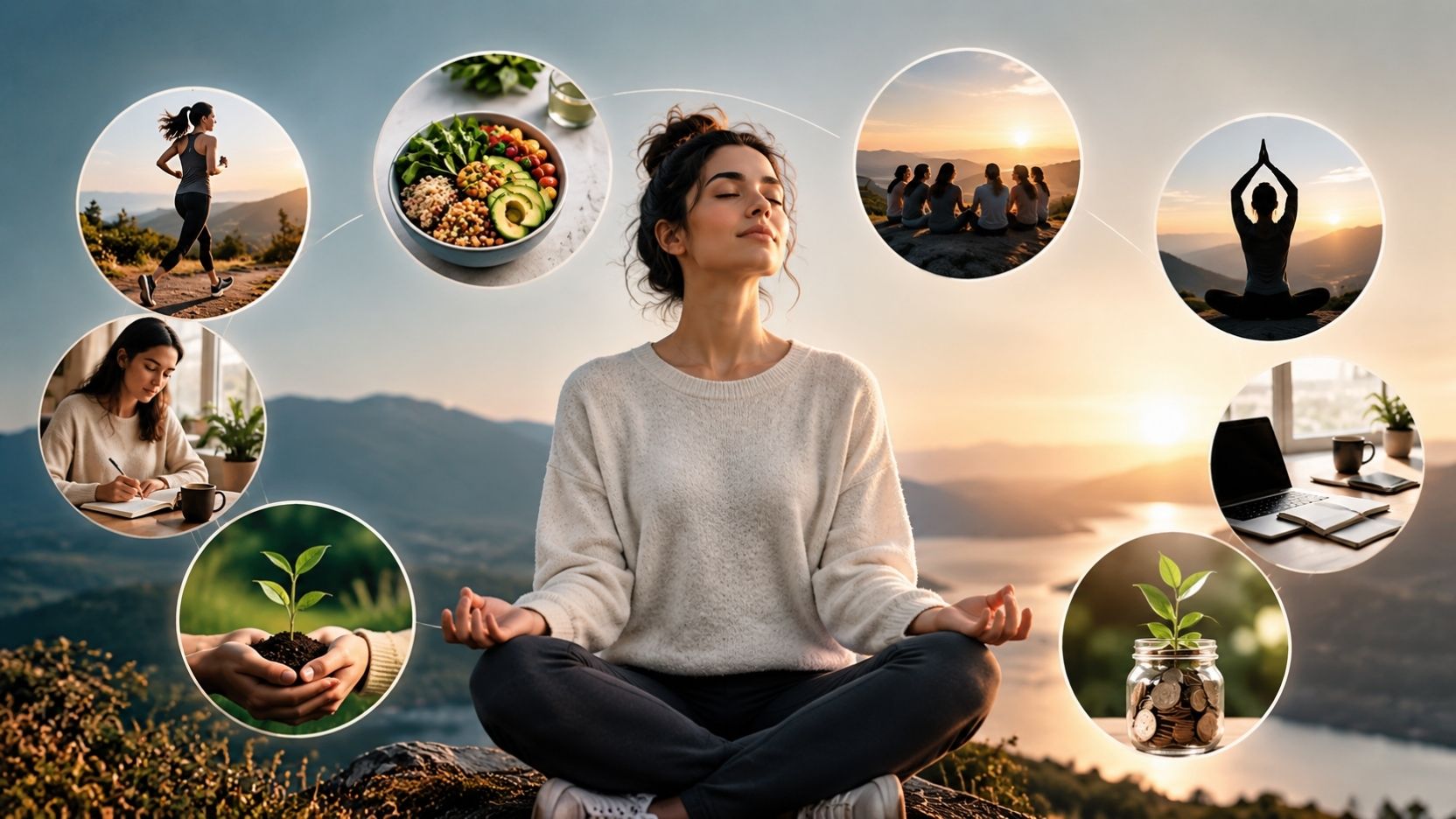

National Wellness Month runs every August, encouraging people to build lasting self care habits instead of treating wellness as a rare indulgence. Founded in 2018 by the wellness company Live Love Spa, it now spans individuals, families, and workplaces across the United States, Canada, and the United Kingdom.
If you searched for this topic, you are probably trying to answer one of a few questions. When exactly is it. Who started it. What is the 2026 theme. How do you actually celebrate it at home or at work. This guide answers all of that directly, then goes further into calendars, quotes, flyers, activities, and how National Wellness Month compares to related observances like National Pet Wellness Month or National Financial Wellness Month.
When Is National Wellness Month, Exactly?
National Wellness Month always falls in August and covers the entire month, from August 1 through August 31. There is no single day to mark on your calendar. Instead, the observance gives you all thirty one days to experiment with new habits.
In 2026, that means National Wellness Month runs from Saturday, August 1 through Monday, August 31. The same full month structure applies every year, so National Wellness Month 2025 followed the identical pattern the year before, and National Wellness Month 2027 will follow it again.
This is one detail that trips a lot of people up. Because the name sounds similar to single day observances, it is easy to assume there is one specific date to celebrate. Treat the entire month as fair game instead.
See More: Synergy Nutrition And Wellness
Who Started National Wellness Month, and Why
National Wellness Month was founded in 2018 by Live Love Spa, a wellness industry company led by chief executive Lisa Michaelis. The organization created the observance to be celebrated every August, with the goal of building community, connection, and business activity within the wellness industry.
The founders were not simply looking for a marketing hook. The concept was built specifically to reframe wellness as a sustainable, everyday lifestyle rather than an occasional luxury. Before 2018, a lot of self care messaging treated spa visits, massages, and wellness retreats as rare treats reserved for special occasions. Live Love Spa wanted to shift that thinking toward small, repeatable habits anyone could build into an ordinary week.
That said, the underlying idea of dedicating time to holistic wellbeing is much older than the branded observance itself. Its roots can arguably be traced back decades, starting with the broader health and wellness movement of the 1950s and 1960s, when physicians and researchers across the United States and other Western countries began writing and speaking publicly about health as something more than the absence of disease. That thinking gained real institutional weight in 1948, when the World Health Organization redefined health as a state of complete mental, physical, and social wellbeing, not merely the absence of illness. That definition still shapes how modern wellness campaigns talk about the subject.
Since its 2018 launch, the observance has grown well past its spa industry roots. What started as a curated calendar and a simple wellness pledge has since been embraced by mainstream companies far outside the spa and wellness space, including major hospitality brands, airlines, and retailers, alongside the wellness industry leaders who created it.
What Wellness Actually Means During This Month
People often use health and wellness as if they are interchangeable, but the distinction matters for understanding what this month is actually about.
Health typically refers to your physical or mental state, including the presence or absence of illness. Wellness is broader. It describes an active, ongoing process of choices that support your overall quality of life, not just the absence of disease.
The most widely referenced wellness framework in the United States comes from the Substance Abuse and Mental Health Services Administration, known as SAMHSA. Through its Wellness Initiative, the agency encourages individuals, organizations, and communities to work toward longer, healthier, and happier lives, with particular attention to people managing behavioral health conditions. This model, adapted from psychiatric researcher Peggy Swarbrick’s work, breaks wellness into eight connected dimensions rather than treating it as one single measure.
Here is what each dimension covers, based on that framework:
| Dimension | What It Covers |
| Physical | Exercise, nutrition, sleep, hydration, and routine medical checkups |
| Emotional | Coping with stress, understanding your feelings, and building resilience |
| Social | Maintaining supportive relationships and a sense of connection with others |
| Intellectual | Engaging your mind through learning, reading, and creative thinking |
| Spiritual | Finding meaning, purpose, and a sense of values beyond daily tasks |
| Occupational | Feeling satisfaction and alignment between your work and your personal values |
| Environmental | Living and working in surroundings that feel safe, clean, and supportive |
| Financial | Managing money in a way that reduces stress and supports future stability |
National Wellness Month draws on this same holistic thinking. It is not only about gym visits or green smoothies. It is a reminder to check in across all eight areas and notice where you might be neglecting something.
National Wellness Month Ideas for Individuals
You do not need a spa membership or a personal trainer to participate. Most of the widely recommended actions are small and free.
- Track your water intake. A common suggested target is around 64 ounces a day, though needs vary by person.
- Take a daily walk. Movement does not have to mean an intense workout. A short walk supports both physical and emotional wellness at once.
- Try a short meditation. Even five to ten minutes of quiet breathing can lower stress in the moment.
- Protect your sleep window. Aim for a consistent bedtime rather than only chasing a specific number of hours.
- Do a digital sunset. Set a time each evening to put your phone away and give your mind a break from notifications.
- Reconnect with one person. A phone call or coffee with a friend supports the social dimension of wellness that is easy to overlook.
- Cook one homemade meal you would normally order in. This touches nutrition and can also feel genuinely relaxing.
- Journal for a few minutes. Writing down what went well, or what is weighing on you, supports emotional processing.
Many participants also take what Live Love Spa calls the “I Choose Wellness” pledge, committing to one small daily habit for the month, such as drinking more water or working toward a modest daily step count.
A Simple National Wellness Month Calendar Approach
Rather than trying to change everything at once, a lot of people organize the month around a weekly focus. One practical structure looks like this:
- Week one: Physical basics. Focus on hydration, sleep, and movement.
- Week two: Mental and emotional check ins. Add daily mindfulness moments, short guided meditations, gratitude prompts, or simple breathing exercises to help you pause and reset.
- Week three: Social and financial wellness. Reconnect with people you have been meaning to call, and spend thirty minutes reviewing your budget or savings goals.
- Week four: Reflection and sustainability. Identify which habits actually stuck, and decide which ones are worth carrying into September.
This kind of pacing avoids the common trap of trying to overhaul your entire lifestyle in thirty one days and burning out by week two.
How to Celebrate National Wellness Month at Work
Workplaces have become one of the biggest audiences for this observance, since chronic stress and burnout are common concerns for employees across almost every industry. Employers do not need a large budget to make an impact.
A healthy workforce tends to be a more productive one. Lower absenteeism, higher job satisfaction, and a more positive overall culture are frequently cited as the practical business case for taking workplace wellness seriously, beyond simple goodwill toward staff.
Here are approaches that show up consistently across workplace wellness guidance:
- Set up a healthy snack station. A simple table with fruit, nuts, and other wholesome options can nudge better choices throughout the day.
- Host a lunch and learn. A short session on meal prepping, financial basics, or stress management gives employees a concrete skill to take home.
- Offer movement breaks. Promoting short, frequent breaks for stretching or walking can meaningfully reduce stress and improve focus during the workday.
- Run a flexible movement challenge. Rather than only counting steps, which can exclude people with different physical abilities, some organizations build movement challenges where swimming, yoga, gardening, or cycling all count equally.
- Bring wellness to remote employees too. Digital wellness challenges give remote workers a way to participate and stay connected despite physical distance.
- Recognize participation publicly. Highlighting employee wellness milestones in company communications, paired with small incentives like wellness vouchers or extra time off, reinforces that the effort is genuinely valued.
- Extend the message past August. Carrying wellness culture beyond the month, including tie ins with observances like World Mental Health Day, helps it become part of daily life rather than a one time event.
A Note on Related Observances at Work
If you searched for National Employee Wellness Month alongside National Wellness Month, it is worth knowing these are treated as two separate observances by different organizations. Employee Wellness Month is recognized each June by some organizations as a chance to highlight how a company supports employee health across every area of life, while National Wellness Month itself is the August, Live Love Spa founded observance discussed throughout this guide. Some employers choose to run programming during both months rather than picking one.
See More: Holistic Wellness Activities
National Wellness Month Flyers and Infographics: What to Include
If you are designing materials for a workplace, school, or community group, effective National Wellness Month flyers and infographics tend to share a few common elements:
- A clear headline stating the month and dates, such as “National Wellness Month: August 1 to 31.”
- One primary call to action, like a hydration challenge, a step goal, or a pledge to try one new habit per week.
- A short list of the eight wellness dimensions, so people understand this is not only about exercise.
- Contact information or a link for any related workplace program, benefit, or event.
- A hashtag, if you want to encourage social sharing. The most commonly used tags include NationalWellnessMonth, wellnessmonth, and ichoosewellness.
Keep the design simple. A flyer trying to communicate ten ideas at once usually communicates none of them well. Pick one focal action and build the visual around that.
National Wellness Month Quotes
Verified, specifically attributed quotations about this particular observance are hard to come by, since it is a marketing born campaign rather than a topic with a long history of public commentary from named public figures. Rather than risk misattributing a quote to someone who never said it, it is safer to lean on well established ideas about wellness itself, paired with your own original wording, when creating shareable content.
A useful approach is to pair a short, original line of encouragement with a specific, concrete action. For example: small habits, repeated daily, tend to build the kind of life people actually want, so start with something as simple as one extra glass of water a day. This avoids the common problem of generic, unsourced quote graphics that add little real value and risk misquoting someone entirely.
National Wellness Month Around the World
While National Wellness Month began as a United States based campaign, its reach has extended internationally, particularly through global and remote workplaces.
Canada: August is recognized as National Wellness Month in Canada as well, framed as a reminder that caring for physical, mental, and emotional wellbeing should be part of everyday life rather than something addressed only during a crisis. Canadian employers commonly tie the month to conversations about employee benefits and mental health support, especially given how much workplace disability costs are now linked to mental health related claims.
United Kingdom: National Wellness Month is also recognized in the UK as an internationally observed occasion, inspiring individuals and organizations to refocus on self care, stress reduction, and healthy daily habits. In the UK specifically, the month is often framed around reducing workplace stress, since stress remains one of the most commonly cited threats to national wellbeing there.
In both countries, the core structure, ideas, and hashtags mirror the original campaign, since it is the same Live Love Spa initiative rather than a separately founded national observance.
National Wellness Month vs. Other Wellness Month Observances
This is where a lot of confusion happens, because several different awareness months use the word wellness but refer to entirely separate campaigns, founded by different organizations, held in different months. Here is a clear breakdown so you know which one applies to what you are researching.
| Observance | When | Focus | Founded By |
| National Wellness Month | August | Broad self care, stress reduction, healthy routines | Live Love Spa, 2018 |
| National Employee Wellness Month | June | Workplace wellbeing programs and culture | Various HR and workplace organizations |
| National Mental Wellness Month | January | Mental health, stress after the holiday season | Various mental health organizations |
| National Financial Wellness Month | January | Budgeting, savings goals, debt management | Various financial literacy organizations |
| National Pet Wellness Month | October | Preventive veterinary care, pet nutrition | American Veterinary Medical Association, 2004 |
A few of these deserve more detail, since they are commonly confused with the August observance.
National Mental Wellness Month Is Not the Same as August
January is recognized as National Mental Wellness Month, a time when attention turns nationally to the importance of caring for mental health. The timing is notable because January can be a genuinely difficult stretch for many people, as the holidays wind down and the emotional and financial aftermath, sometimes referred to informally as Blue Monday around the third Monday of the month, can catch up with them. This is distinct from the broader, physical and emotional focus of August’s National Wellness Month, even though both use similar language.
National Financial Wellness Month Also Falls in January
January is separately designated National Financial Wellness Month, a time to reset money habits and set financial goals for the year ahead. The January timing makes sense because it follows the holiday season, a period when many people tend to overspend, making it a natural moment to reevaluate financial plans and rebuild healthier habits. This is a separate campaign from the occasional financial wellness tips that sometimes appear as one small piece of August’s broader National Wellness Month content.
National Pet Wellness Month Belongs to October, Not August
If your search brought you here because you were trying to find pet related wellness content, note that this falls under a completely different observance. National Pet Wellness Month began being observed annually in October more than twenty years ago, with support from the American Veterinary Medical Association. The month is meant to encourage pet owners to improve their pets’ health by recognizing the value of preventive veterinary care, along with proper nutrition, dental health, and mental stimulation for animals. It has nothing to do with the Live Love Spa campaign in August, aside from sharing the word wellness.
National Employee Wellness Month Sits in June
Each June, Employee Wellness Month gives organizations a chance to show how much they value their people and to highlight a culture where employees feel supported across all areas of health. Many companies choose to run wellness programming in both June and August, since the two months serve complementary but distinct purposes. One centers specifically on the employer employee relationship, and the other centers on personal self care more broadly.
National Social Wellness Month Comes Just Before, in July
July is designated National Social Wellness Month, a separate observance focused specifically on the value of relationships and social connection. The core idea is that healthy relationships function as a genuine health resource, not just an emotional nicety. Research on social support has repeatedly linked strong social networks to better cardiovascular health, a stronger immune response, and even longer lifespans, while isolation carries health risks that researchers have compared to those of smoking or high blood pressure.
Because July flows directly into August, some organizations treat the two months as a natural pair. July’s focus on relationships and connection sets up August’s broader push into physical, emotional, and financial habits, which makes late summer a genuinely useful stretch for anyone trying to reset multiple areas of life at once.
Why National Wellness Month Matters
It is fair to ask whether a corporate founded, calendar based observance actually changes anything. The honest answer is that the value depends entirely on what people do with it, but there is a real case for why the reminder helps.
Chronic stress remains one of the most common health complaints of modern life, and it has been linked to problems ranging from poor sleep and weakened immune function to heart disease. Most people already know, in the abstract, that sleep, movement, hydration, and connection matter. What they often lack is a structured nudge to actually act on that knowledge, especially when work and family responsibilities crowd out personal time.
Some wellness organizations point to survey based claims that intentional self care can meaningfully increase reported happiness when stress is actively managed and a healthier lifestyle is maintained. Whether or not any single statistic like that holds up as a universal figure, the underlying pattern, that intentional stress management correlates with greater wellbeing, is well supported across psychological research more broadly.
The bigger point of National Wellness Month is not the month itself. It is using thirty one days as a low pressure trial period for habits you might otherwise never get around to testing.
National Wellness Month Activities for Families and Communities
While much of the messaging around this observance is aimed at individuals and workplaces, families and community groups can build their own version of the month without much extra effort.
- Plan one active outing per week. A family hike, a bike ride, or even a walk around the neighborhood after dinner counts as physical wellness and social wellness at the same time.
- Cook together instead of ordering takeout. Involving kids or partners in meal prep turns a routine chore into a shared activity, and it naturally supports better nutrition.
- Start a shared gratitude habit. Something as simple as each person naming one good thing from their day at dinner builds emotional wellness without requiring any extra time.
- Host a neighborhood or community wellness swap. Some communities use the month to organize free events such as group walks, park cleanups, or short fitness classes open to anyone nearby.
- Check in on older relatives. For seniors, National Wellness Month is often framed around maintaining independence and connection, since staying active and socially engaged has an outsized effect on quality of life as people age.
None of these require a formal program or a budget. The point is simply to treat August as a nudge to do, as a group, what most people already know is good for them individually.
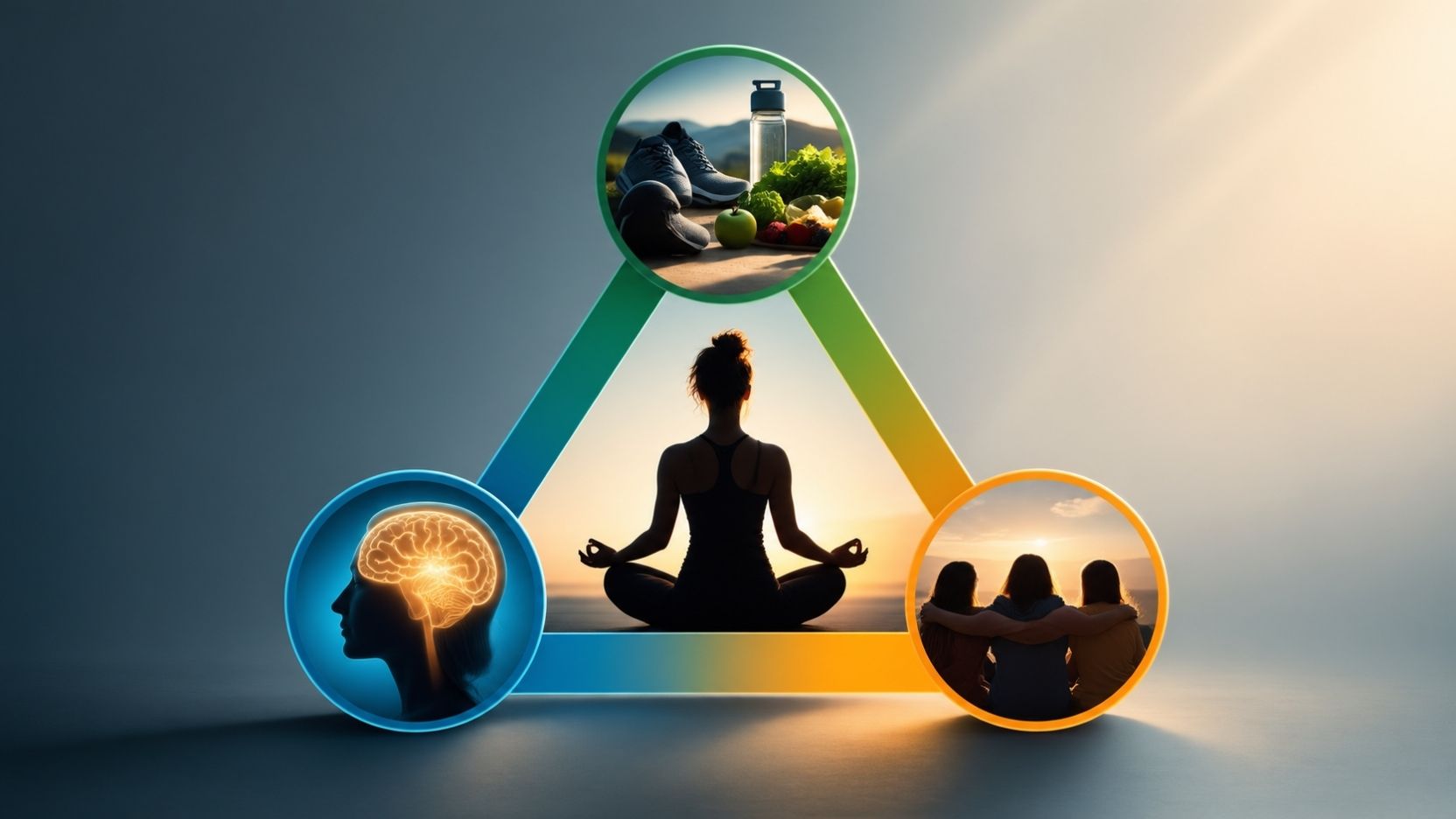
See More: Wellness Triangle
Where to Find Reliable National Wellness Month Information
If you want to go deeper on this topic, look for a mix of source types rather than relying on a single website. Live Love Spa’s own materials are the most direct source for details on the founding, the pledge, and official campaign hashtags, since the organization created the observance. Government and public health sources, such as SAMHSA’s Wellness Initiative resources, are the better reference point for the underlying wellness framework and the eight dimensions model. National day and observance calendars are useful for quickly confirming dates, but they vary in depth and occasionally repeat the same boilerplate language from year to year, so cross checking a specific claim against a second source is worth the extra minute, especially for anything involving a statistic.
Frequently Asked Questions
When is National Wellness Month observed each year?
National Wellness Month is observed every August, covering the full month from August 1 through August 31. It does not fall on a single fixed date like many other awareness observances.
Who founded National Wellness Month?
National Wellness Month was founded in 2018 by Live Love Spa, a wellness industry company led by chief executive Lisa Michaelis, to promote sustainable self care habits.
Is National Wellness Month a government recognized holiday?
No. It is an unofficial observance created by a private wellness company rather than a federal or state government holiday. Many organizations, brands, and individuals choose to participate voluntarily.
What is the theme for National Wellness Month 2026?
There is no single, officially published theme for National Wellness Month 2026 in the way some other observances announce an annual theme. The consistent yearly focus remains self care, stress reduction, and building sustainable healthy habits.
Is National Wellness Month the same as National Employee Wellness Month?
No. National Wellness Month happens in August and focuses broadly on personal self care. National Employee Wellness Month is a separate observance recognized by some organizations in June, focused specifically on workplace wellbeing programs.
Is August also National Pet Wellness Month?
No. National Pet Wellness Month is a separate observance held in October, founded with support from the American Veterinary Medical Association to promote preventive veterinary care.
Is National Wellness Month celebrated outside the United States?
Yes. The observance is also recognized in Canada and the United Kingdom during August, using the same core themes and hashtags as the original US campaign.
What are simple ways to participate in National Wellness Month?
Common ways to participate include increasing daily water intake, taking regular walks, practicing short meditation sessions, protecting sleep schedules, and reconnecting with friends or family.
How can workplaces recognize National Wellness Month?
Workplaces often set up healthy snack stations, offer short movement breaks, host wellness focused lunch and learn sessions, and run inclusive movement challenges that count activities beyond step counts.
What are the eight dimensions of wellness?
The eight dimensions, as defined through SAMHSA’s Wellness Initiative, are physical, emotional, social, intellectual, spiritual, occupational, environmental, and financial wellness.
Are there official National Wellness Month quotes?
There are no widely verified, specifically attributed quotes tied to this particular observance. Content creators are better served pairing an original message with a concrete action than relying on unsourced quote graphics.
Does National Wellness Month have an official color?
There is no single, consistently documented official color associated with National Wellness Month across primary sources. Some wellness brands use calming tones like blue or green in their materials, but this reflects general wellness branding rather than an official designation.
How is National Wellness Month different from National Health and Wellness Month?
These names are generally used interchangeably to describe the same August observance rather than referring to two separate campaigns.
Can individuals without access to spas or gyms still participate?
Yes. Most recommended activities, such as hydration, walking, journaling, and reconnecting with people, require no special access, equipment, or membership.
Key Takeaways
National Wellness Month runs every August, founded in 2018 by Live Love Spa to reframe self care as a sustainable, everyday practice rather than an occasional luxury. The observance now extends into workplaces, and countries beyond the United States, including Canada and the United Kingdom.
The most useful way to approach the month is through the lens of the eight dimensions of wellness: physical, emotional, social, intellectual, spiritual, occupational, environmental, and financial. Rather than trying to overhaul everything in thirty one days, pick one or two small, repeatable habits and see which ones are worth keeping once September arrives.
If you were searching for information on a related but separate observance, remember that National Employee Wellness Month falls in June, National Mental Wellness Month and National Financial Wellness Month both fall in January, and National Pet Wellness Month falls in October. Each has its own founding organization and its own specific focus, even though they share the word wellness with the August campaign covered throughout this guide.