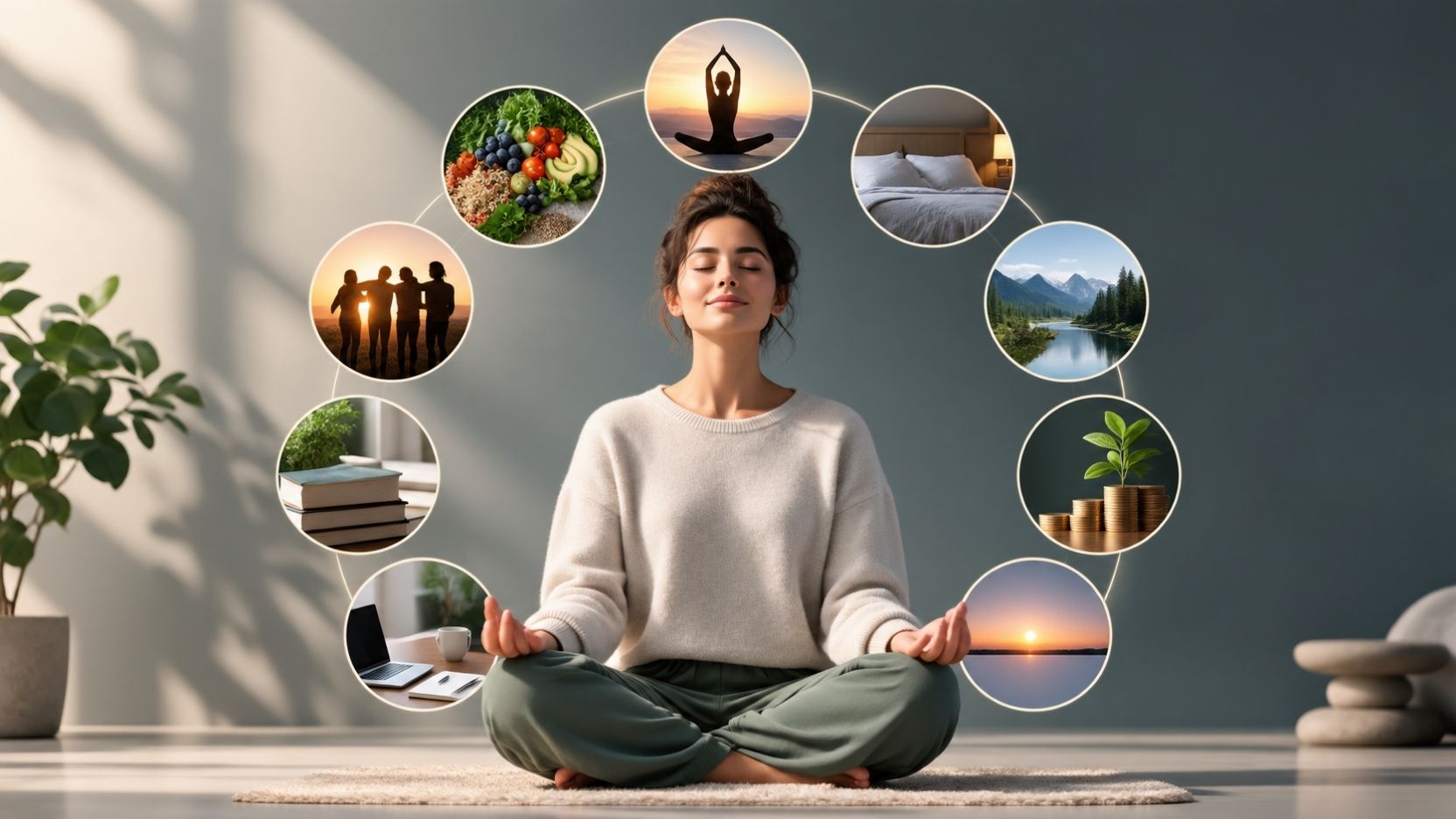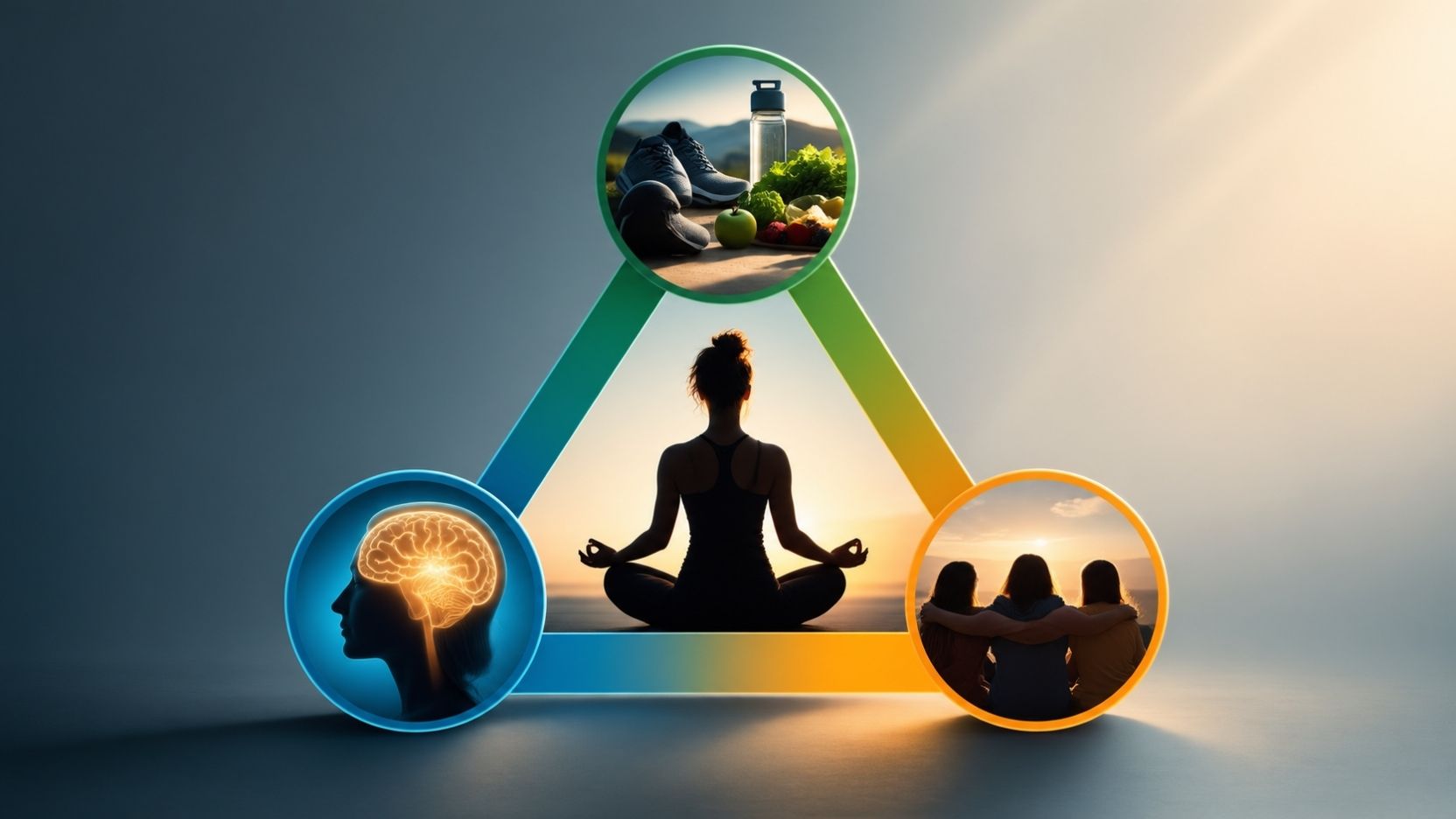
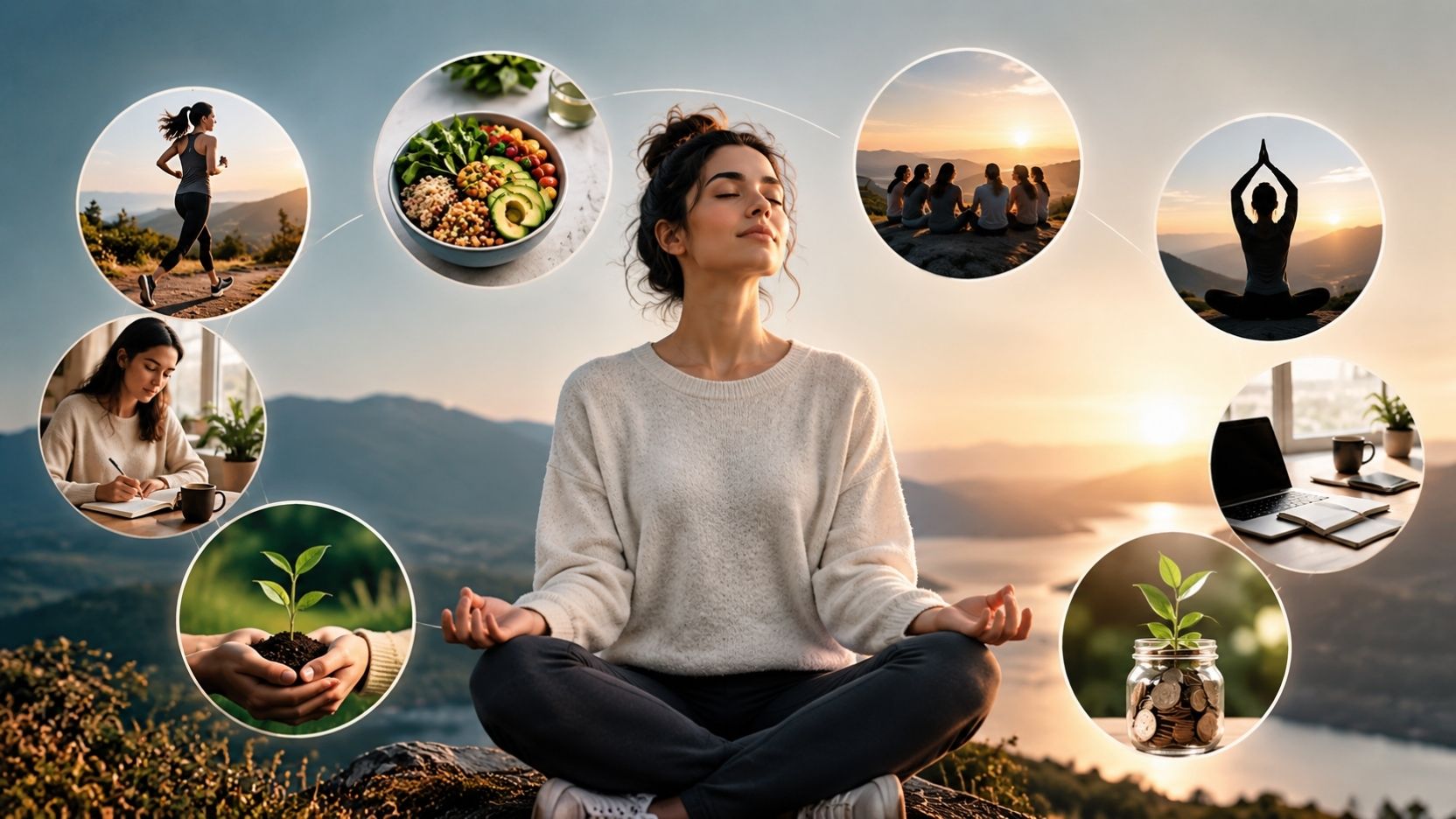
Holistic wellness activities are practices that support your physical, mental, emotional, social, spiritual, and environmental health at the same time, instead of treating each area separately. That could mean a morning walk, a gratitude journal, a shared meal, or ten minutes of quiet breathing. The goal is not perfection. It is consistency across the parts of life that make you feel whole.
This guide walks through what holistic wellness really means, why it works, and dozens of specific activities you can use at home, at work, at school, or on a retreat. You will also find simple frameworks for building a routine that actually fits your life.
What Does “Holistic Wellness” Actually Mean?
The word “holistic” comes from the idea of treating the whole person, not just one symptom or one goal. The National Center for Complementary and Integrative Health, part of the NIH, describes wellness as something with several dimensions, including emotional well-being and physical well-being, rather than a single measurable outcome.
The National Wellness Institute expands this into a widely used six-dimension model: emotional, physical, intellectual, occupational, spiritual, and social wellness. Many modern wellness programs add environmental and financial wellness as a seventh and eighth dimension, since money stress and unhealthy surroundings clearly affect how people feel day to day.
Holistic wellness activities are simply the actions that support one or more of these dimensions on purpose. A single activity, like a walk in nature, can quietly support three or four dimensions at once: physical (movement), emotional (stress relief), spiritual (connection to something larger), and social (if you walk with someone else).
A quick way to think about it: Wellness is not the absence of illness or stress. It is an active, ongoing process of making choices that move you toward feeling more capable and more like yourself.
This is not a new idea. Practices that treat mind, body, and spirit as connected go back thousands of years, including traditions from ancient China and India. What has changed is the framing. Modern wellness research, including work funded by NCCIH, has moved toward describing integrative health as a way of treating the whole person, across emotional, physical, functional, spiritual, social, and community dimensions, rather than focusing only on a single organ or symptom. Holistic wellness activities are simply the everyday version of that same idea.
See More: Emotional Wellness Definition
Is “Holistic Wellness” the Same as “Holistic Health”?
The two phrases overlap so much that most people use them interchangeably, but there is a subtle difference worth knowing if you are researching holistic health activities specifically.
- Holistic health usually refers to an approach to preventing or managing illness that considers the whole person, sometimes alongside conventional medical care. It is often used in clinical or integrative-medicine contexts.
- Holistic wellness usually refers to everyday habits and lifestyle choices that support overall wellbeing, whether or not illness is involved.
In practice, the activities themselves are almost identical: movement, nutrition, sleep, stress management, social connection, and reflection. If you are looking for holistic health activities because you are managing a specific condition alongside medical treatment, it is worth mentioning any new activity, especially significant dietary or supplement changes, to your doctor first.
How Do Physical Activities Help in Promoting Holistic Wellness?
People often ask this because physical activity is the easiest dimension to measure, and it turns out to be one of the most powerful levers for the other dimensions too.
The Centers for Disease Control and Prevention recommends that adults aim for at least 150 minutes of moderate-intensity aerobic activity per week, plus muscle-strengthening activity on two or more days. According to CDC-reported research, regular physical activity is linked to better sleep quality, lower blood pressure, reduced anxiety symptoms, and a lower risk of depression, heart disease, stroke, and type 2 diabetes.
What makes physical activity “holistic” rather than purely physical is what happens around the movement itself:
- It regulates mood chemistry. Movement supports the release of endorphins and other mood-related brain chemicals, which is part of why a short walk can shift a bad mood.
- It builds routine and self-trust. Showing up for a workout, even a small one, reinforces the belief that you can follow through on commitments to yourself.
- It often becomes social. Group fitness classes, recreational sports leagues, and walking groups combine physical activity with the social dimension of wellness.
- It can be meditative. Repetitive movement like swimming, cycling, or hiking gives the mind space to process thoughts, which touches emotional and even spiritual wellness.
This is the real answer to “how do physical activities help in promoting holistic wellness”: movement is rarely just physical. It is one of the few activities that reliably touches four or five wellness dimensions in a single session.
Engaging in Physical and Other Activities to Improve Holistic Wellness
Because no single activity covers every dimension, a holistic approach usually pairs physical movement with at least one non-physical practice. A few practical combinations:
| Physical Activity | Paired Non-Physical Practice | Dimensions Supported |
| Morning walk | Listening to a podcast on a topic you’re curious about | Physical, intellectual |
| Strength training | Tracking progress in a journal | Physical, emotional |
| Group hike | Conversation with a friend along the way | Physical, social |
| Yoga session | Five minutes of breath-focused meditation afterward | Physical, spiritual, emotional |
| Gardening | Reflecting on what you’re grateful for while working | Physical, emotional, environmental |
If you are building a presentation or handout on this idea, for example something like an “engage in physical and other activities to improve holistic wellness” slide deck for a class or workplace training, this pairing approach is the clearest way to explain why holistic wellness needs more than a gym membership.
Holistic Wellness Activities: Examples Across Every Dimension
Here is a working list of holistic wellness activities, organized by the dimension they support most directly. Most activities on this list quietly support more than one dimension.
Physical wellness examples:
- Daily walks, even short ones
- Strength training two to three times a week
- Stretching or mobility work before bed
- Cooking meals with whole, minimally processed ingredients
- Prioritizing seven to nine hours of sleep
Emotional wellness examples:
- Journaling three things you feel each evening
- Naming emotions out loud instead of pushing them down
- Talking to a therapist or counselor regularly
- Practicing self-compassion instead of harsh self-criticism
- Setting a boundary you have been avoiding
Mental and intellectual wellness examples:
- Reading something unrelated to work
- Learning a new skill, language, or instrument
- Doing puzzles or strategy games
- Taking a class purely out of curiosity
- Limiting multitasking to protect focus
Social wellness examples:
- Scheduling regular time with friends or family
- Joining a club, team, or volunteer group
- Having device-free conversations at meals
- Reaching out first instead of waiting to be contacted
- Repairing a strained relationship with an honest conversation
Spiritual wellness examples:
- Meditating, even for five minutes
- Spending time in nature without a phone
- Practicing religious or contemplative traditions that matter to you
- Reflecting on personal values and whether daily choices match them
- Practicing gratitude as a regular habit
Environmental wellness examples:
- Decluttering one space in your home
- Spending time outdoors intentionally
- Reducing exposure to constant news or social media noise
- Creating a calming corner or ritual space at home
- Supporting sustainability practices that matter to you
Occupational and financial wellness examples:
- Taking real breaks during the workday
- Setting a budget and reviewing it monthly
- Pursuing work that aligns with personal values when possible
- Building an emergency fund, even slowly
- Saying no to work that consistently crosses personal limits
Holistic Wellness Activities for Mental Health
Mental health deserves its own section because it is usually the reason people start searching for wellness activities in the first place. Holistic approaches to mental health do not replace therapy or medication when those are needed. They work alongside professional care to support day-to-day resilience.
Activities that specifically support mental health tend to share a common thread: they interrupt stress cycles and give the nervous system a chance to settle.
- Breathwork. Slow, extended exhales activate the body’s calming response. Even one minute helps.
- Grounding techniques. Naming five things you can see, four you can hear, three you can touch, and so on brings attention back to the present moment during anxious spells.
- Movement-based mindfulness. Yoga and tai chi combine physical motion with breath awareness, which many people find easier to sustain than seated meditation alone.
- Digital boundaries. Setting specific windows for checking email or social media reduces the constant low-grade stress of always being reachable.
- Expressive writing. Writing honestly about a difficult experience, without worrying about grammar or structure, has been studied as a way to process emotion.
- Connection over isolation. Reaching out to one person, even briefly, when you notice yourself withdrawing.
A note on limits: If you are experiencing persistent sadness, hopelessness, or thoughts of harming yourself, holistic activities are not a substitute for professional support. In the United States, you can call or text 988 to reach the Suicide and Crisis Lifeline at any time.
Holistic Wellness Activities You Can Do at Home
You do not need a studio membership, a retreat, or special equipment to practice holistic wellness. Most of it starts at home, often in the first and last hour of your day.
Morning routine ideas:
- Stretch for five minutes before checking your phone
- Drink water before coffee
- Step outside for a few minutes of natural light
- Write down one intention for the day
Evening routine ideas:
- Dim the lights an hour before bed
- Put your phone in another room
- Do a short body scan or relaxation exercise
- Reflect on one thing that went well that day
Throughout the day at home:
- Cook a meal from scratch instead of ordering in
- Tend to a houseplant or small garden
- Declutter one drawer or shelf
- Take a bath or long shower without rushing
- Play music you love while doing chores
These are the kinds of activities that show up when people search for holistic wellness activities at home: low cost, low equipment, and easy to repeat.
DIY Wellness Activities Worth Trying
If you like building your own tools rather than buying pre-made programs, these do-it-yourself wellness activities work well for a weekend or a quiet evening:
- Build a personal values list. Write down five values that matter most to you, then check whether your calendar from last week reflected them.
- Make a comfort box. Fill a small box with items that calm you: a favorite tea, a photo, a scent, a note to yourself for hard days.
- Create a “no plans” evening. Block time with nothing scheduled and see what you actually want to do with it.
- Design a five-minute reset ritual. Combine one breath, one stretch, and one grounding thought you can use anywhere, anytime.
- Start a rotating gratitude jar. Add one note a day; read them all at the end of the month.
- Try a digital sunset. Pick a time each evening after which screens are off, and notice what fills that space instead.
See More: Target Sexual Wellness
Wellness Activities for Students
Students face a specific combination of pressures: academic deadlines, social changes, financial stress, and often very little sleep. Holistic wellness activities for students need to be quick, low-cost, and realistic between classes.
- Study breaks with movement. A five-minute walk between study blocks improves focus more than scrolling a phone.
- Peer study groups. These combine intellectual wellness with social connection.
- Sleep protection. Setting a consistent bedtime, even on weekends, has an outsized effect on mood and concentration.
- Campus resources. Most colleges offer free counseling, fitness facilities, and peer support groups that students underuse.
- Single-tasking homework sessions. Closing extra tabs and putting the phone away for one focused block reduces the total time spent studying.
- A simple check-in ritual. Asking yourself “what do I need right now: rest, movement, connection, or food?” before defaulting to caffeine or scrolling.
Out-of-the-Box Wellness Ideas for Employees
Traditional workplace wellness programs often stop at a gym discount or an annual health screening. Employees increasingly want wellness support that fits into an actual workday, not something they have to find extra time for. A few less conventional ideas that organizations have started experimenting with:
- Micro-movement breaks. Short, scheduled two-minute movement breaks built into the workday, rather than relying on people to remember on their own.
- Walking meetings. Replacing some sit-down meetings with a walk, when the conversation does not require a screen.
- Quiet or recovery rooms. A dedicated space for a few minutes of quiet, away from open-plan noise.
- Skill-based volunteering days. Paid time to volunteer using a professional skill, which supports social and occupational wellness together.
- No-meeting blocks. Protected focus time that also reduces the background stress of a packed calendar.
- Peer recognition rituals. Simple, regular moments where colleagues acknowledge each other’s work, supporting social and emotional wellness at low cost.
- Financial wellness workshops. Practical budgeting or debt-management sessions, since financial stress is one of the most common hidden drains on employee wellbeing.
The common thread in effective workplace wellness ideas is that they are built into the workday rather than added on top of it. A wellness perk that requires employees to find extra personal time often goes unused.
Self-Care Activities for Adults Who Feel Like They Have No Time
Adults juggling work, caregiving, and household responsibilities often hear “self-care” and picture something they cannot afford or schedule. In practice, effective self-care activities for adults are usually small and repeatable, not elaborate.
- Sitting outside with coffee for five uninterrupted minutes
- Saying no to one thing that was draining you
- Calling a friend during a commute instead of scrolling
- Preparing lunch the night before to remove one morning decision
- Taking the stairs, stretching at a desk, or standing during a phone call
- Going to bed fifteen minutes earlier than usual
- Asking for help with one task instead of doing everything alone
None of these require a spa day or a vacation. They work because they are realistic enough to actually happen on a regular Tuesday.
Holistic Wellness at Luxury Resorts vs. Everyday Practice
Luxury wellness resorts have popularized many practices that are now part of mainstream holistic wellness: guided meditation, sound baths, personalized nutrition plans, spa therapies, and structured digital detox programs. These experiences can be genuinely restorative, and an immersive retreat is sometimes exactly what someone needs to reset.
The useful takeaway is not that everyone needs a resort. It is that resorts succeed because they remove friction: meals are prepared, schedules are set, and distractions are limited. You can borrow that principle at home by:
- Batch-preparing healthy meals for the week
- Blocking specific times for rest the same way a retreat schedules activities
- Reducing decision fatigue by simplifying your environment
- Treating one evening or morning a week as a mini “retreat” with no obligations
A resort can be a helpful reset. A sustainable holistic wellness practice is what you do the other 51 weeks of the year.
How Do You Know a Wellness Activity Is Actually Working?
It is easy to try a new habit for a week, feel unsure whether it is helping, and quietly drop it. A few practical signals are more reliable than motivation alone.
- You recover faster from a bad day. The goal is not to eliminate stress, but to bounce back from it more quickly than before.
- You do it without forcing yourself. Early on, most habits need willpower. After a few weeks, an activity that is genuinely working starts to feel like something you want, not something you owe yourself.
- Other areas quietly improve too. Better sleep often improves mood. Regular movement often improves focus. Holistic wellness activities tend to create small ripple effects across dimensions, which is a sign the underlying system is working, not just one habit in isolation.
- You notice the absence more than the presence. A skipped walk or a skipped journaling session starts to feel noticeably different, which usually means the activity has become genuinely useful rather than just another task on a list.
If an activity consistently feels forced, draining, or irrelevant after several honest weeks of trying it, that is useful information too. Holistic wellness is not about following a fixed list. It is about paying attention to what actually changes how you feel, and adjusting from there.
Building a Simple Holistic Wellness Routine
Rather than trying to do everything at once, most people do better picking one activity per dimension and building from there. A simple weekly starting framework:
| Dimension | One Activity to Start With | Suggested Frequency |
| Physical | Walk or light strength training | Most days |
| Emotional | Journaling or naming feelings | Daily, a few minutes |
| Social | Call or meet a friend | Weekly |
| Intellectual | Read or learn something new | A few times a week |
| Spiritual | Meditation or time in nature | Daily or several times weekly |
| Environmental | Declutter or spend time outside | Weekly |
| Occupational | Take a real lunch break | Daily |
| Financial | Review spending | Monthly |
Once these become routine, you can layer in more. The mistake most people make is trying to overhaul every dimension in the same week and burning out within ten days.
Should You Look for a Holistic Wellness Activities PDF?
Many people search for a downloadable holistic wellness activities PDF because they want something tangible to reference, track, or print for a classroom, workplace, or personal use. A printable checklist can genuinely help, mainly because it turns an abstract intention into something visible.
If you build or look for one, a useful PDF or printable tracker usually includes:
- A short list of activities for each wellness dimension
- Blank space to check off daily or weekly practices
- Room to note how an activity actually made you feel
- A simple weekly overview, similar to the routine table above
The format matters less than the consistency it encourages. A single page taped to a fridge or saved on a phone works as well as anything elaborate.
If you are creating one for a classroom, team, or workplace wellness program, keep the layout simple: one page per dimension, or one combined weekly grid like the routine table above. Overly detailed trackers tend to get abandoned faster than plain, low-pressure checklists.
Common Mistakes People Make When Starting Out
A lot of holistic wellness attempts stall in the first two weeks, not because the ideas are wrong, but because of a few predictable traps.
Trying to fix every dimension at once. Overhauling sleep, diet, exercise, mindfulness, and social life in the same week is exhausting and rarely sustainable. Picking one or two dimensions first tends to stick longer.
Treating wellness as something you buy. Expensive gadgets, supplements, or retreat packages can support wellness, but they are not required for it. Some of the most effective activities on this list, like a short walk or a gratitude note, cost nothing.
Chasing perfect streaks instead of consistency. Missing a day does not erase progress. Wellness habits that survive a missed day are more durable than ones that depend on never breaking a streak.
Ignoring the dimension that feels hardest. It is tempting to focus only on the wellness dimension that already feels comfortable, like physical activity, while avoiding a harder one, like setting boundaries or addressing financial stress. Real holistic wellness usually means leaning into the uncomfortable dimension eventually.
Comparing your routine to someone else’s. A routine built around a luxury resort schedule or an influencer’s morning routine may not fit a life with a full-time job, caregiving responsibilities, or a tight budget. The right routine is the one you will actually repeat.
See More: About Wellness
Bringing It All Together
Holistic wellness activities work because they treat you as one connected system rather than a set of separate problems to fix. A walk supports your body and your mood. A boundary supports your relationships and your emotional health. A budget review supports your finances and your peace of mind.
You do not need every activity on this list. Start with one or two that feel realistic this week, notice how you feel, and build from there. Wellness is not a single destination. It is the ongoing, imperfect process of choosing what actually supports you.
Frequently Asked Questions
What is an example of a holistic wellness activity?
A morning walk combined with a few minutes of quiet reflection is a common example. It supports physical health through movement and emotional or spiritual health through the quiet reflection that follows.
How many dimensions of wellness are there?
Most models describe six core dimensions: physical, emotional, social, intellectual, occupational, and spiritual. Many modern frameworks add environmental and financial wellness as well.
How do physical activities help holistic wellness?
Physical activity supports mood-regulating brain chemistry, improves sleep, and often builds social connection and self-trust, which extends its benefits beyond the physical body alone.
What are simple holistic wellness activities for beginners?
Start small: a short daily walk, a gratitude note before bed, and one honest conversation with a friend each week cover physical, emotional, and social wellness without requiring major lifestyle changes.
Are holistic wellness activities a replacement for therapy or medical care?
No. Holistic activities support day-to-day wellbeing but are not a substitute for professional mental health or medical treatment when those are needed.
What are good wellness activities for students specifically?
Short movement breaks, consistent sleep schedules, peer study groups, and using free campus counseling resources tend to fit realistically into student schedules.
What out-of-the-box wellness ideas actually work for employees?
Ideas built into the workday, such as micro-movement breaks, walking meetings, and protected quiet time, tend to see more consistent use than optional after-hours perks.
What self-care activities work for busy adults?
Small, repeatable actions work best: five quiet minutes with coffee, an earlier bedtime, or saying no to one draining commitment, rather than large, time-intensive rituals.
Is a holistic wellness activities PDF worth using?
A printable tracker can help turn wellness intentions into visible daily habits, especially for classrooms or workplace programs, though the consistency of use matters more than the format.
Can I combine physical and other activities to improve holistic wellness at the same time?
Yes, and this is often the most efficient approach. Pairing movement with a non-physical practice, such as a walk followed by journaling, supports multiple wellness dimensions in a single activity.
What is the difference between holistic wellness and general fitness?
General fitness typically focuses on physical outcomes like strength or endurance. Holistic wellness includes fitness but also addresses emotional, social, intellectual, and spiritual health as connected parts of overall wellbeing.
How often should I practice holistic wellness activities?
Most people benefit from daily small practices, such as short movement or reflection, combined with weekly practices like social connection or decluttering, and monthly check-ins like reviewing finances.
Do I need a lot of money to practice holistic wellness?
No. Many of the most effective activities, including walking, journaling, breathwork, decluttering, and connecting with friends, are free. Paid options like retreats or spa treatments can help but are not required to build a genuine wellness practice.