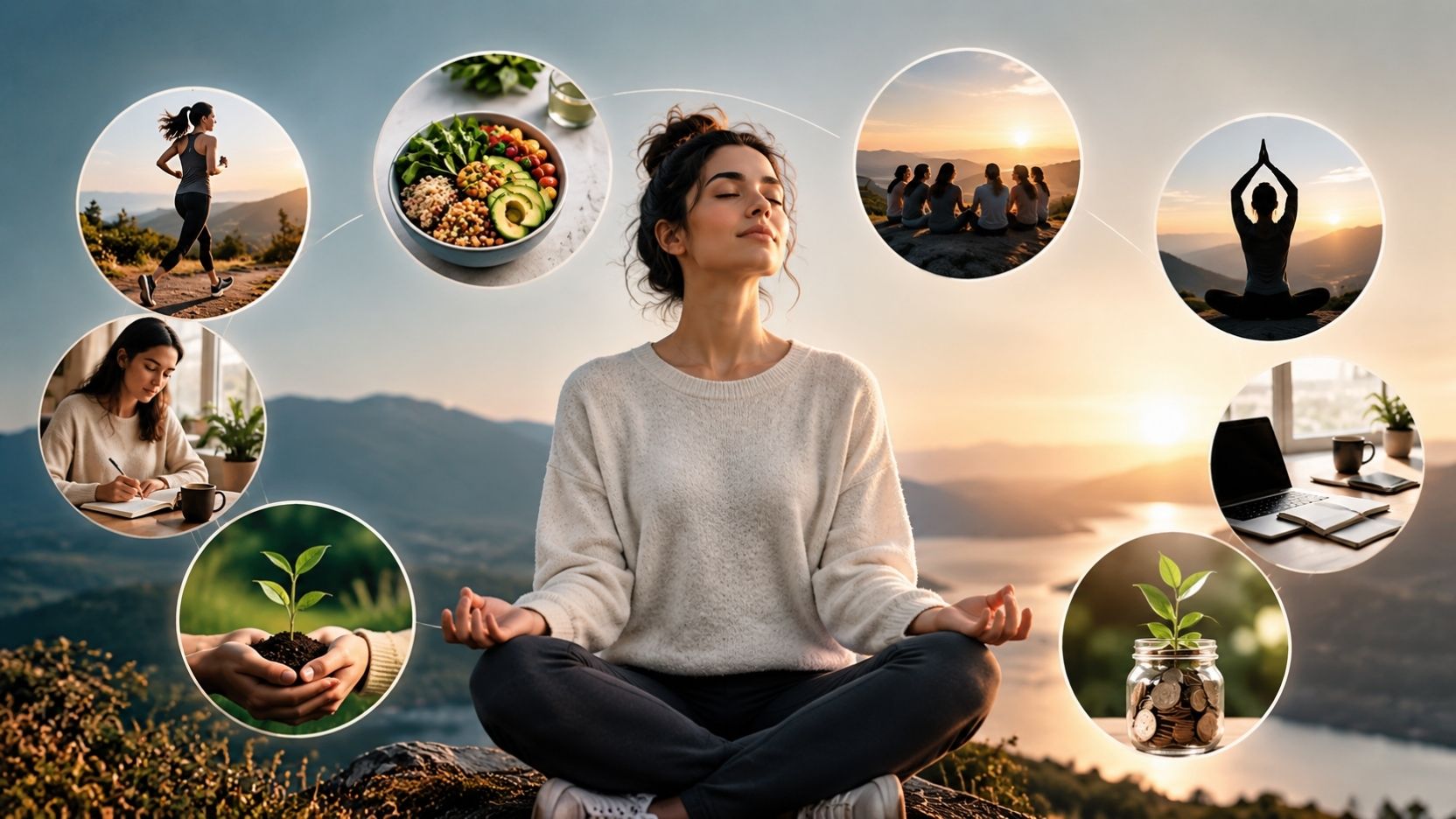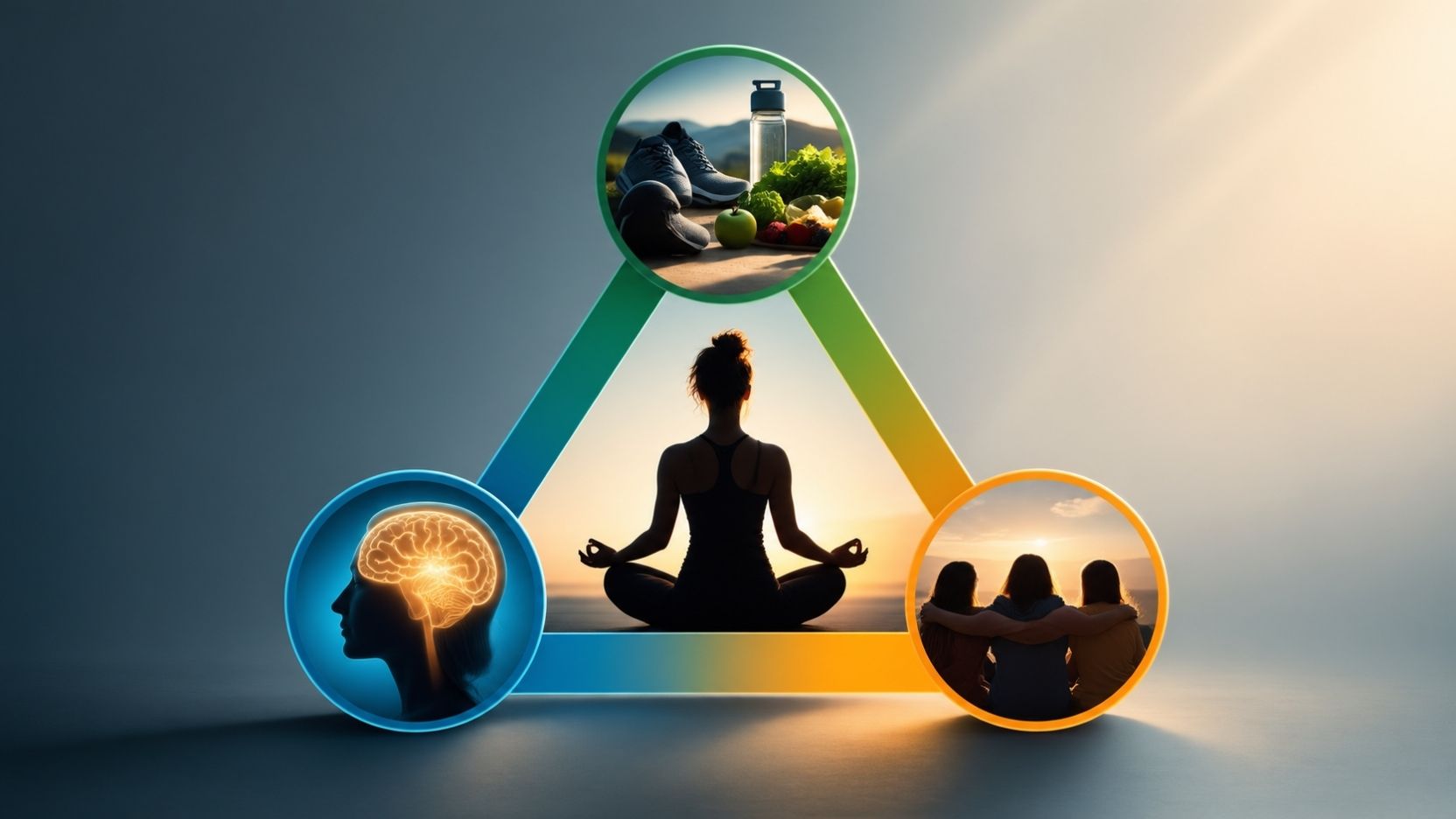
Holistic wellness is the practice of caring for your whole self, not just your physical body, by paying attention to how your mind, emotions, relationships, environment, finances, and sense of purpose all affect your health together. Instead of treating symptoms in isolation, a holistic approach looks at how these areas influence one another and works to keep them in balance.
That idea sounds simple, but it changes how people approach everyday decisions. It affects what they eat, how they manage stress, who they surround themselves with, and even how they think about their careers. This guide breaks down what holistic wellness actually means, where the idea comes from, and how real people apply it without turning their lives upside down.
What Holistic Wellness Actually Means
The word “holistic” comes from the Greek word “holos,” meaning whole. Applied to health, it means looking at the entire person rather than one isolated complaint or body part.
This isn’t a fringe idea. The World Health Organization defined health back in 1948 as a state of complete physical, mental, and social well-being, not merely the absence of disease or infirmity. That definition already rejected the narrow idea that being healthy just means not being sick.
Holistic wellness builds on that same foundation. It treats a person’s physical condition, emotional state, relationships, environment, and sense of meaning as connected systems rather than separate boxes to check. A stressful job can show up as chronic headaches. Financial anxiety can disrupt sleep. Loneliness can weaken the immune system. Holistic wellness takes those connections seriously instead of treating each symptom on its own.
Holistic Health Meaning vs. Holistic Wellness Meaning
People often use “holistic health” and “holistic wellness” interchangeably, and in casual conversation that’s fine. But there’s a subtle difference worth knowing.
- Holistic health usually refers to the state of the whole person at a given time, physically and mentally.
- Holistic wellness usually refers to the ongoing practices and choices someone makes to support that state over the long term.
In other words, holistic health is the destination, and holistic wellness is the daily path toward it. Neither concept claims to replace medical treatment. Both are meant to work alongside conventional care, not instead of it.
See More: Target Sexual Wellness
The Eight Pillars of Holistic Wellness
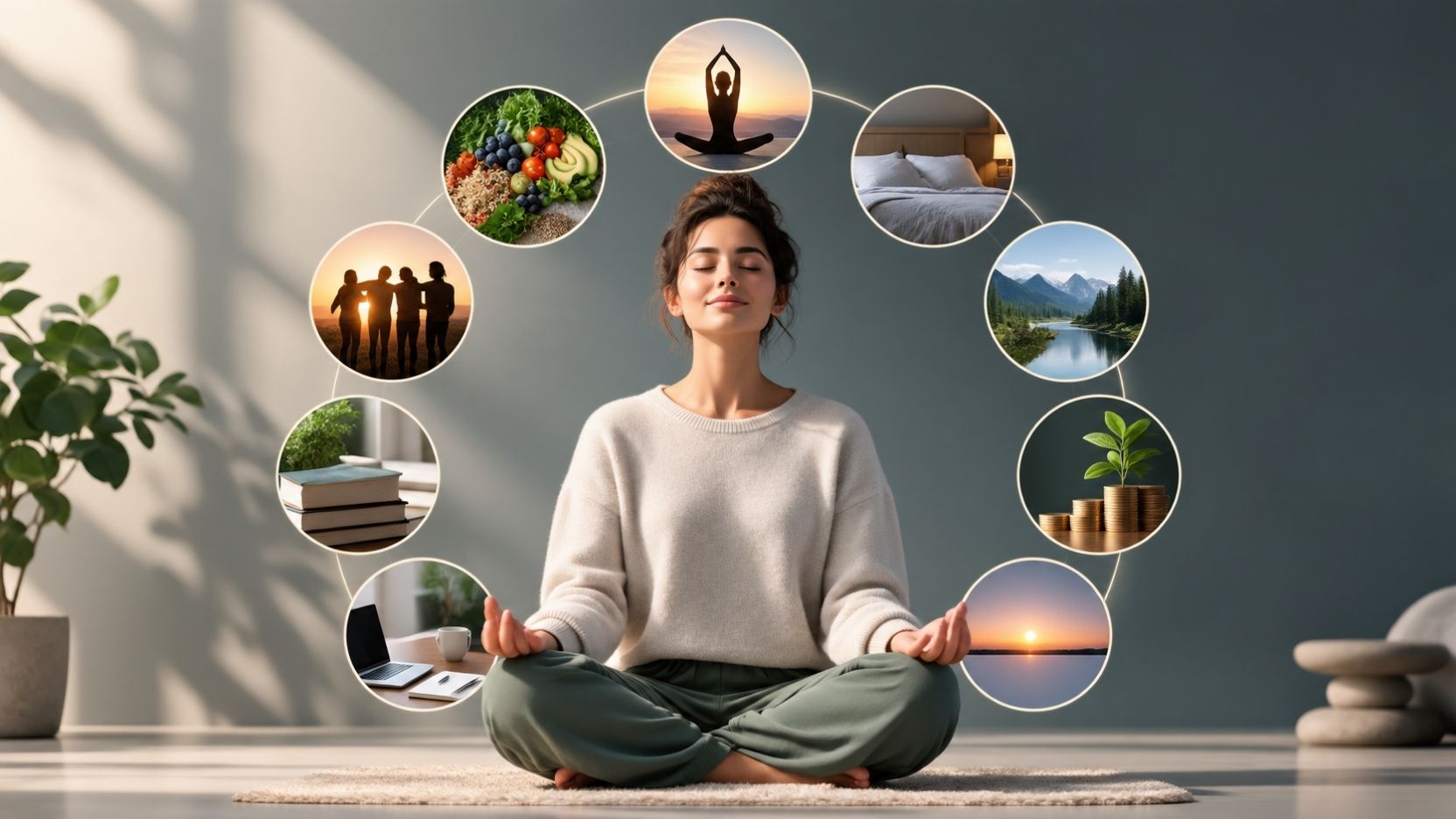
Most wellness frameworks, including one developed by the U.S. Substance Abuse and Mental Health Services Administration (SAMHSA), organize holistic wellness into eight interconnected dimensions. According to SAMHSA’s model, these dimensions are emotional, environmental, financial, intellectual, occupational, physical, social, and spiritual.
Different organizations phrase these pillars slightly differently. Some replace “occupational” with “vocational,” and some split out a separate “nutritional” category. The core idea stays the same across every version: no single area of life determines your well-being, and neglecting one area eventually affects the others.
| Pillar | What It Covers | A Simple Way to Strengthen It |
| Physical | Movement, sleep, nutrition, and preventive care | Take a short walk daily and keep a consistent sleep schedule |
| Emotional | Recognizing, expressing, and managing feelings | Journal for five minutes when you feel overwhelmed |
| Social | Relationships, connection, and community | Schedule regular time with people who support you |
| Spiritual | A sense of purpose or meaning, however you define it | Spend a few quiet minutes reflecting or practicing gratitude |
| Intellectual | Curiosity, learning, and creative expression | Read something outside your usual field once a week |
| Environmental | The physical spaces you live and work in | Declutter one space or spend time outdoors |
| Financial | Confidence and stability around money | Track spending for a week to spot patterns |
| Occupational | Satisfaction and balance related to work | Set one boundary around your work hours |
No one scores perfectly across all eight pillars all the time, and that’s expected. The goal isn’t perfection in every category. It’s noticing which pillar needs attention right now and giving it small, consistent effort.
What Holistic Wellness Looks Like in Everyday Life
Reading about pillars is one thing. Seeing how they show up in ordinary routines makes the concept easier to apply. Here are realistic, everyday examples of holistic wellness in action.
- Morning routines that combine movement and mindset. Someone stretches for ten minutes, then writes down one thing they’re grateful for before checking their phone.
- Meal planning that considers more than calories. A person chooses meals that support energy and digestion, not just weight management.
- Therapy paired with physical activity. Someone in talk therapy also commits to regular walks, recognizing that movement supports mood.
- Setting work boundaries. An employee stops checking email after 7 p.m. to protect time for rest and relationships.
- Choosing a living space intentionally. A person prioritizes natural light and quiet over square footage when apartment hunting.
- Budgeting as a stress-reduction tool. Someone builds a simple monthly budget specifically to reduce financial anxiety, not just to save money.
- Community involvement. A retiree joins a local group or volunteers, addressing the social pillar directly.
None of these examples require expensive products or dramatic lifestyle overhauls. They’re small, repeatable choices that touch more than one pillar at once.
What makes these examples “holistic” rather than just healthy habits is the intention behind them. A person walking for physical exercise is practicing physical wellness. A person walking because they know it also clears their head and helps them process a hard conversation is practicing holistic wellness, because they’re consciously using one action to support two pillars at once. Over time, that kind of layered thinking becomes second nature, and people start noticing which single habits give them the most return across multiple areas of life.
Common Holistic Wellness Practices
Certain practices show up again and again in holistic wellness routines because they tend to support multiple pillars simultaneously.
Mindfulness and Meditation
Mindfulness practices support emotional regulation and, for many people, a sense of spiritual grounding. Even short daily sessions, five to ten minutes, are commonly recommended as a starting point rather than lengthy formal meditation.
Movement-Based Practices
Yoga, tai chi, and regular walking are frequently included in holistic routines because they combine physical activity with breath awareness and mental focus. These practices don’t require special equipment or a gym membership.
Nutrition Awareness
Holistic approaches to eating tend to focus on whole foods, hydration, and paying attention to how specific foods affect energy and mood, rather than following a single restrictive diet plan.
Sleep Hygiene
Consistent sleep and wake times, reduced screen exposure before bed, and a calming wind-down routine all fall under the physical pillar but influence emotional regulation as well.
Journaling and Reflection
Writing down thoughts, worries, or goals helps process emotions and clarify priorities. It’s one of the simplest and lowest-cost holistic practices available.
Social Connection Rituals
Regular check-ins with friends or family, whether in person or over a call, directly support the social pillar and are linked to lower stress levels.
A quick note on evidence: Practices like mindfulness, regular movement, and adequate sleep have substantial research support for their individual benefits. Holistic wellness frameworks combine these well-studied habits into a single, organized approach rather than introducing entirely new, unproven interventions.
Holistic Wellness Activities to Try This Week
If the eight pillars feel abstract, activities make them concrete. None of these require special training or a large time commitment, and each one touches more than one pillar at once.
- A 20 minute nature walk without your phone. This supports physical health while giving your mind a break, which touches both the physical and emotional pillars.
- A “no spend” day once a week. Skipping non-essential purchases for a day builds financial awareness without requiring a full budgeting overhaul.
- A shared meal with no screens. Eating with family or friends without devices strengthens the social pillar and often improves digestion and mood at the same time.
- A five-minute breathing exercise before a stressful meeting. Slow, deliberate breathing lowers physical tension and supports emotional regulation in the moment.
- One new skill practiced for 15 minutes. Learning something unrelated to work, like a language app or a musical instrument, supports intellectual wellness.
- A weekly “environment reset.” Spending 15 minutes tidying one space, whether that’s a desk or a bedroom, can noticeably reduce background stress.
- A short values check-in. Once a week, ask whether your calendar reflects what actually matters to you. This is a simple way to engage the spiritual and occupational pillars together.
The point of these activities isn’t to check every box every day. It’s to rotate attention across different pillars over the course of a week, so no single area gets permanently neglected.
Holistic Wellness for Women: Common Priorities
Search interest in “holistic wellness women” often reflects specific life stages and demands that affect how the eight pillars show up day to day. While every person’s needs are individual, a few themes come up often in this space.
- Hormonal health across life stages. Menstrual health, pregnancy, postpartum recovery, and menopause all involve physical changes that intersect with emotional wellbeing, sleep, and energy levels.
- Caregiving load. Women are statistically more likely to take on caregiving responsibilities for children or aging relatives, which can strain the occupational, social, and emotional pillars simultaneously.
- Preventive care. Regular screenings and checkups remain a core part of physical wellness and shouldn’t be replaced by supplements or wellness products alone.
- Community and peer support. Many women’s wellness programs emphasize group support, whether through fitness classes, parenting groups, or professional networks, as a way to strengthen the social pillar.
Any wellness program marketed specifically to women should still be evaluated using the same standards as any other program: credentialed providers, transparent pricing, and coordination with a primary care doctor rather than replacement of one.
See More: Synergy Nutrition And Wellness
Holistic Family Wellness: Bringing the Whole Household Along
Holistic wellness doesn’t have to be an individual pursuit. Many of the same principles apply at the household level, particularly for families raising children.
- Shared meals and cooking. Involving kids in meal preparation supports nutrition awareness and gives families a built-in social ritual.
- Consistent routines. Predictable sleep and morning routines benefit children’s emotional regulation as much as adults’.
- Modeling stress management. Children often absorb how parents handle stress more than what parents say about it, so visible coping habits, like taking a walk to cool down, matter.
- Family finance conversations. Age-appropriate discussions about budgeting introduce financial wellness early without creating anxiety.
- Screen time boundaries. Shared household agreements about device use can support both social and emotional wellness for every family member.
A holistic approach to family wellness works best when it’s flexible. Rigid rules tend to create friction, while small, consistent habits tend to stick.
Holistic Approaches in Massage, Bodywork, and Dental Care
Two areas where the term “holistic” appears frequently, but with real practical differences, are bodywork and dental care.
Holistic massage and healing typically refers to bodywork that considers stress, breathing patterns, and emotional tension alongside muscle tightness, rather than focusing purely on a single sore spot. Licensed massage therapists trained in this style often ask about sleep, stress levels, and lifestyle before a session, not just physical symptoms.
Holistic dental wellness generally describes a philosophy some dentists use that considers the connection between oral health and overall health, such as links between gum disease and cardiovascular risk, and may involve more conservative use of certain materials or procedures. It’s worth noting that some claims associated with holistic dentistry, particularly around mercury fillings or fluoride, are debated within mainstream dentistry. Anyone considering a holistic dental practice should ask specific questions about credentials, and cross-check any strong claims with their regular dentist or a second opinion.
Books and Guides on Holistic Wellness
Many readers search for a general “holistic guide to wellness” or wellness books to deepen their understanding beyond a single article. When evaluating any wellness book or guide, it helps to check a few things first:
- Author credentials. Look for authors with relevant clinical, nutritional, or coaching credentials, or clearly labeled personal experience rather than claimed expertise.
- Publication date. Health and nutrition guidance changes over time, so more recent editions tend to reflect current research more accurately.
- Specific claims versus general philosophy. Books that encourage broad habits like better sleep, movement, and stress management tend to age better than ones promising a specific cure or rapid transformation.
- Reviews from multiple sources. Checking several independent reviews, rather than relying on the promotional copy on the book’s own cover, gives a more balanced picture.
Because there are many different books, apps, and guides using similar titles, always verify the specific author, publisher, and content directly before purchasing or relying on any single source as medical advice.
Holistic Wellness Products: What the Category Actually Includes
Search for “holistic wellness products” and you’ll find a wide range of items, from supplements and essential oils to journals, sleep aids, and fitness trackers. Before buying anything in this category, it helps to understand what these products can and can’t do.
Holistic wellness products generally fall into a few groups:
- Supplements and herbal products — vitamins, adaptogens, and herbal teas marketed for stress, sleep, or energy support.
- Aromatherapy items — essential oil diffusers and blends used for relaxation.
- Sleep and recovery tools — weighted blankets, white noise machines, and sleep trackers.
- Mindfulness aids — guided journals, meditation cushions, and habit trackers.
- Movement equipment — yoga mats, resistance bands, and simple home fitness gear.
A word of caution: supplements and herbal products are not reviewed by the FDA for effectiveness the same way medications are, and “natural” doesn’t automatically mean safe for everyone. Anyone taking prescription medication or managing a health condition should talk to a doctor or pharmacist before adding a new supplement to their routine.
Finding a Holistic Wellness Center or Clinic Near You
A holistic wellness center typically combines several services under one roof, such as massage therapy, acupuncture, nutrition counseling, chiropractic care, and sometimes mental health support. A holistic wellness clinic may lean more clinical, often including licensed practitioners who coordinate care across specialties.
When searching for “holistic wellness center near me” or “holistic wellness clinic,” it helps to check a few things before booking an appointment:
- Licensing and credentials. Confirm that practitioners hold valid state licenses for the services they offer, whether that’s massage therapy, acupuncture, counseling, or nursing.
- Scope of services. Some centers focus narrowly on bodywork, while others integrate mental health, nutrition, and medical care.
- Insurance and cost transparency. Ask upfront which services are covered by insurance and which are out-of-pocket.
- Reviews and reputation. Look for consistent, verifiable patient feedback rather than relying on a single testimonial.
- Communication with your primary care provider. A reputable center should be willing to coordinate with your regular doctor rather than replace that relationship entirely.
Because business names, locations, and services vary widely by city and change over time, the safest approach is always to verify current licensing, staff credentials, and specific offerings directly with the center itself rather than relying solely on online descriptions.
What a Holistic Wellness Coach Actually Does
A holistic wellness coach helps clients set and work toward goals across multiple areas of life, rather than focusing narrowly on weight loss or fitness alone. Sessions might touch on stress management, sleep habits, nutrition, work-life balance, and personal goals in the same conversation.
It’s important to understand what a wellness coach is not. Coaches are not licensed medical professionals, and they cannot diagnose conditions, prescribe treatment, or replace therapy for mental health concerns. Their role is closer to an accountability partner and guide for building sustainable habits.
Holistic Wellness Coach Certification
Certification programs for holistic wellness coaching vary widely in length, cost, and rigor. Reputable programs generally:
- Require a defined number of training hours
- Include supervised practice or mentorship
- Are accredited by a recognized coaching or health education body
- Provide a clear scope-of-practice statement (what a coach can and cannot do)
Because coaching certification isn’t regulated the same way licensure is for doctors, nurses, or therapists, it’s worth asking any coach directly about their specific training, certifying body, and how long they’ve been practicing.
Holistic Wellness Apps and Websites
Digital tools have made holistic wellness practices more accessible, and this category continues to grow quickly. A holistic wellness app typically combines a few features in one place, such as guided meditation, habit tracking, sleep sounds, mood journaling, and educational content.
A holistic wellness website, by contrast, is often used for booking appointments, browsing articles, or purchasing products connected to a specific practitioner, clinic, or wellness brand.
When evaluating an app or website, consider:
- Who created it. Is there a licensed professional or credentialed team behind the content?
- Data privacy. Wellness apps often collect sensitive health information, so check the privacy policy before sharing personal data.
- Evidence-based claims. Be cautious of apps promising to cure conditions or replace medical care entirely.
- Cost structure. Many apps use free trials that convert to recurring subscriptions, so check pricing details before signing up.
Where Psychiatry and Physiotherapy Fit Into Holistic Wellness
Two search terms that come up often, “holistic wellness and psychiatry” and “holistic wellness physiotherapy,” point to a broader trend: licensed medical fields increasingly incorporating holistic principles into standard care.
Holistic Psychiatry
A psychiatrist practicing with a holistic lens still uses evidence-based treatments, including medication and therapy referrals when appropriate, but also considers sleep, nutrition, exercise, and social support as part of a treatment plan. This approach doesn’t replace conventional psychiatric care; it broadens the conversation around it.
Holistic Physiotherapy
Similarly, a physiotherapist working holistically looks beyond the injured joint or muscle to consider posture, stress levels, sleep quality, and daily habits that might be contributing to pain or slow recovery. The physical treatment itself, exercises, manual therapy, and rehabilitation plans, remains grounded in standard physiotherapy practice.
In both cases, “holistic” describes an added layer of context, not a departure from licensed, evidence-based care.
Holistic Wellness Retreats and Sanctuaries: What to Expect
Wellness retreats, resorts, and sanctuaries have become a popular way to reset multiple pillars of wellness at once, often over a few days or a week away from regular routines. Typical offerings include:
- Guided meditation and yoga sessions
- Nutrition-focused meals
- Digital detox periods
- Nature immersion or outdoor activities
- Optional bodywork, such as massage
Because the wellness retreat and resort space includes everything from luxury properties to small local studios, and specific business names, locations, amenities, and pricing change frequently, always confirm current details, licensing of any health practitioners on-site, and cancellation policies directly with the property before booking.
Choosing a Holistic Wellness Program That Fits Your Life
Whether you’re looking at a formal program, a coaching package, or simply building your own routine, a few questions can help you choose wisely:
- What specific area of life am I trying to improve? Naming the actual goal, such as better sleep or lower stress, prevents you from paying for services that don’t match your needs.
- Does this program coordinate with my existing healthcare? A good program should be additive, not a replacement for medical advice.
- What’s the total cost, including any recurring fees? Wellness subscriptions and memberships can add up quickly.
- Are the people involved licensed or credentialed for what they’re offering? This matters especially for anything involving physical touch, mental health, or medication.
- Can I start small? Many holistic practices, like short daily walks or five-minute journaling, cost nothing and can be tested before committing to a paid program.
See More: Pet Wellness Care
Key Takeaway
Holistic wellness isn’t a single product, app, or appointment. It’s an ongoing practice of paying attention to how your physical health, emotions, relationships, environment, finances, and sense of purpose all affect each other. Small, consistent choices across these areas tend to matter more than any single dramatic change. Whether that means a daily walk, a budgeting habit, a therapy appointment, or a conversation with a friend, each small step supports the same underlying goal: a more balanced, connected sense of well-being.
Frequently Asked Questions
What is holistic wellness in simple terms?
Holistic wellness means caring for your whole self, physically, emotionally, socially, and mentally, rather than focusing on just one area. It treats these parts of life as connected rather than separate.
What are the 8 pillars of holistic wellness?
Most frameworks, including SAMHSA’s model, list physical, emotional, social, spiritual, intellectual, environmental, financial, and occupational wellness as the eight interconnected pillars.
Is holistic wellness the same as alternative medicine?
No. Holistic wellness is a broader lifestyle approach that can include conventional medical care alongside habits like nutrition, movement, and stress management. It isn’t a replacement for medical treatment.
Do I need a coach to practice holistic wellness?
No. Many holistic wellness practices, like journaling, walking, or setting work boundaries, can be started on your own. A coach can help with accountability but isn’t required.
Are holistic wellness products backed by scientific research?
It depends on the product. Practices like mindfulness, exercise, and sleep hygiene have strong research support. Many supplements and herbal products have less rigorous evidence, so it’s worth researching individual claims.
How do I find a reputable holistic wellness center near me?
Check that practitioners hold valid state licenses, ask about their communication with primary care doctors, and read verified reviews before booking any service.
What does a holistic wellness coach actually do?
A holistic wellness coach helps clients set goals across multiple life areas, such as stress, sleep, and habits, and provides accountability. Coaches are not licensed medical or mental health providers.
Can holistic wellness apps replace therapy?
No. Wellness apps can support habits like meditation or mood tracking, but they aren’t a substitute for licensed therapy, especially for diagnosed mental health conditions.
What is the difference between holistic health and holistic wellness?
Holistic health generally refers to a person’s overall state of well-being, while holistic wellness refers to the daily habits and practices used to maintain that state over time.
Is a holistic wellness retreat worth the cost?
It depends on your goals and budget. Retreats can offer a helpful reset for stress and routine, but many core holistic practices, like meditation or nature walks, can also be done for free closer to home.
Do holistic psychiatrists still prescribe medication?
Yes, when appropriate. Holistic psychiatry incorporates lifestyle factors like sleep and nutrition into treatment planning, but it still relies on evidence-based psychiatric care, including medication when needed.
How is holistic physiotherapy different from regular physiotherapy?
Holistic physiotherapy considers factors like stress, posture, and daily habits alongside the physical injury itself, while still using standard, evidence-based physiotherapy techniques for treatment.
What should I look for in a holistic wellness website or app?
Check who created the content, whether credentialed professionals are involved, how the app handles your personal data, and whether pricing and subscription terms are clearly disclosed.
Is holistic dentistry backed by mainstream dental research?
Some principles, like the link between gum health and overall health, are widely accepted. Other specific claims made by some holistic dentists are debated, so it’s worth getting a second opinion for major treatment decisions.
Can holistic wellness help with chronic stress?
Many holistic practices, including regular movement, sleep hygiene, and mindfulness, are commonly used to help manage everyday stress. For chronic or severe stress, a licensed therapist or doctor should be part of the plan.
How much does a holistic wellness program typically cost?
Costs vary widely, from free daily habits like walking or journaling to paid coaching packages, retreats, or memberships that can run from under fifty dollars to several thousand dollars. Always ask for a full cost breakdown before committing.
Is holistic wellness suitable for people managing a diagnosed medical condition?
Yes, but it should complement, not replace, medical treatment. Anyone managing a diagnosed condition should involve their doctor before starting new supplements, diets, or intensive wellness programs.