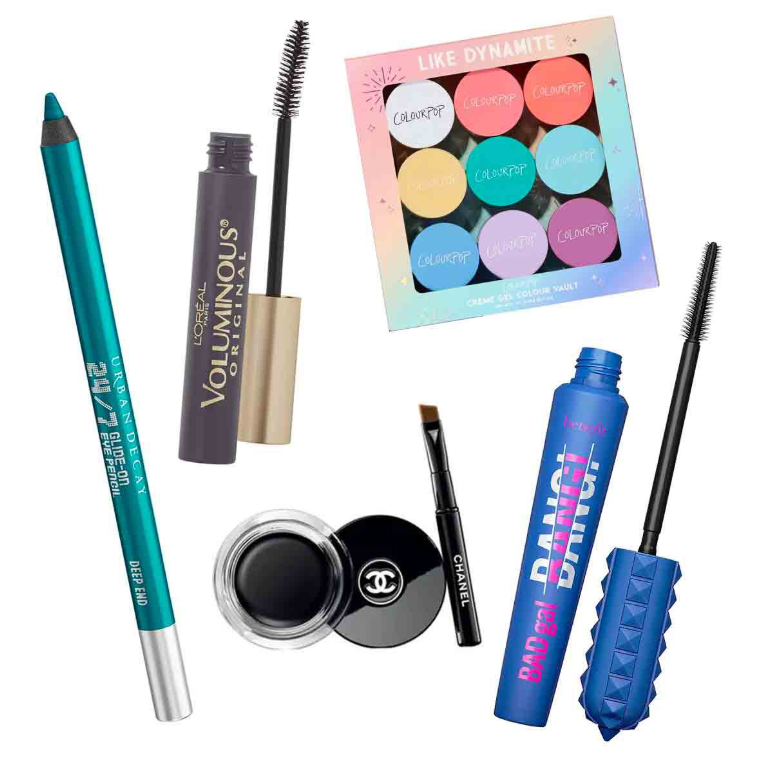
Starting a makeup routine can feel overwhelming. With hundreds of foundations, concealers, eyeshadow palettes, mascaras, lip products, brushes, and beauty tools available, it can be difficult to know what you actually need.
The good news is that beginners do not need a huge collection of makeup. A few easy-to-use products can help you create a natural everyday look while giving you plenty of opportunities to practice. The best makeup products for beginners are generally simple to apply, easy to blend, and versatile enough to use for different occasions.
Whether you are getting ready for school, work, a casual outing, or a special event, building a basic makeup kit can make your routine much easier.
1. Makeup Primer
Primer is an optional first step that can help create a smoother base for makeup. Different primers are designed for different needs, including hydration, oil control, and smoothing the appearance of texture.
For beginners, a lightweight primer is often easier to work with than a complicated formula. However, if your moisturizer already works well under makeup, you may not need a separate primer.
Apply a small amount after skincare and allow it to settle before moving on to your base makeup.
2. Tinted Moisturizer or Foundation
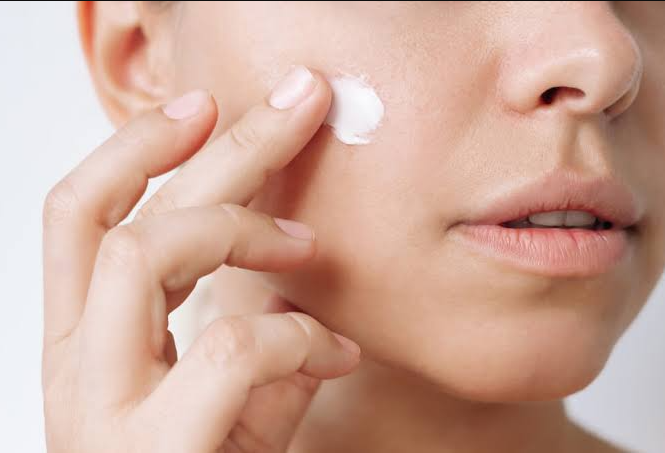
A base product helps create a more even-looking complexion.
Beginners may find a tinted moisturizer or BB cream easier to use because it generally provides lighter coverage and can create a more natural finish. If you prefer more coverage, choose a foundation that is easy to blend.
When selecting foundation, pay attention to both your skin tone and undertone. Testing a shade along the jawline can help you find a closer match.
Start with a small amount and build coverage gradually rather than applying a thick layer immediately. This can make the makeup look more natural and give you greater control.
3. Concealer
Concealer is useful for covering specific areas such as blemishes, redness, or the appearance of dark circles.
A creamy, easy-to-blend concealer can be a good choice for beginners. For a natural everyday look, choose a shade close to your skin tone for blemishes and other areas you want to conceal.
Apply a small amount and blend gently with a makeup sponge, brush, or clean fingertip.
You do not necessarily need heavy foundation if you prefer a more natural look. Some beginners use concealer only on areas that need additional coverage.
4. Setting Powder
Setting powder can help reduce shine and improve the longevity of makeup.
Beginners may find pressed powder particularly convenient because it is easy to control and less messy than loose powder.
You do not have to apply powder to your entire face. If your skin tends to become oily, concentrate it on areas such as the forehead, nose, and chin.
If you have dry skin, use a lighter amount to avoid emphasizing dry patches.
5. Blush
Blush is one of the easiest ways to add color and freshness to a makeup look.
Peach, pink, rose, and soft berry shades can work beautifully depending on your skin tone and personal preference.
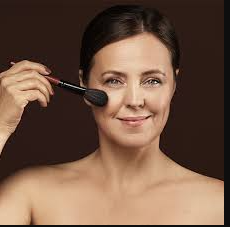
Cream blush can be particularly beginner-friendly because it can often be blended with your fingers. Powder blush is another easy option and can be applied with a soft brush.
Start with a small amount. It is much easier to add more blush than to remove too much.
6. Mascara
Mascara is a simple way to define the eyes without requiring advanced makeup skills.
A beginner-friendly mascara should be easy to apply without creating excessive clumps. Start at the base of the lashes and gently move the wand upward.
One or two coats are usually enough for an everyday look.
If you have never used mascara before, take your time and avoid rushing around the eye area.
7. Eyebrow Pencil or Brow Gel
Well-defined brows can help frame the face, but beginners do not need complicated brow techniques.
A brow pencil can be used to fill sparse areas with small, light strokes. A clear or tinted brow gel can be even simpler if you already like the natural shape of your eyebrows.
Avoid drawing one solid line across the entire brow. Instead, use small strokes and blend the product for a softer appearance.
8. Neutral Eyeshadow Palette
A small neutral eyeshadow palette is more useful for beginners than a huge collection of bright colors.
Look for a palette containing shades such as beige, cream, soft brown, and a deeper brown. These colors can be combined to create simple daytime looks as well as more defined evening makeup.
Start with one light shade across the lid and add a slightly darker shade to the crease or outer corner.
Learning to blend is more important than owning dozens of eyeshadows.
9. Eyeliner
Eyeliner is optional, but it can add definition to your eyes.
For beginners, pencil eyeliner can be easier to control than liquid eyeliner. Brown eyeliner can create a softer appearance, while black can provide stronger definition.
You do not need to create a perfect wing immediately. Start by applying a thin line close to the upper lash line and practice gradually.
10. Lip Balm, Gloss, or Lipstick
Lip products are an easy way to finish a makeup look.
If you want something extremely simple, start with a tinted lip balm. It provides a hint of color while keeping the look casual.
Lip gloss can add shine, while lipstick provides stronger color. Beginners may find creamy or satin formulas easier to apply than very dry matte formulas.
Choose shades you feel comfortable wearing. A color that makes you feel confident is more useful than following every makeup trend.
11. Makeup Brushes and Sponge
You do not need a giant brush collection when you are starting.
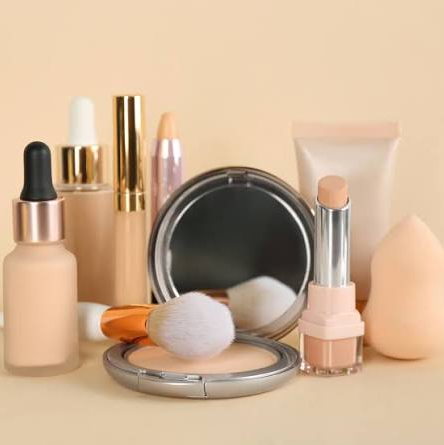
A basic kit can include:
- Foundation or complexion brush
- Blush brush
- Powder brush
- Eyeshadow blending brush
- Small eyeshadow brush
A makeup sponge can also be useful for blending foundation and concealer.
Keeping your brushes and reusable tools clean is important. Clean tools can also make makeup application smoother and more comfortable.
12. Makeup Setting Spray
Setting spray is an optional product that can be used at the end of your makeup routine.
Some formulas are designed to provide a more natural finish, while others focus on helping makeup stay in place.
Beginners should not feel pressured to buy setting spray immediately. If you are building your first makeup kit on a budget, prioritize products such as concealer, blush, mascara, and lip color first.
Simple Makeup Routine for Beginners
You do not need to use every product in your makeup bag every day.
A simple everyday routine can look like this:
Step 1: Moisturize and prepare your skin.
Step 2: Apply tinted moisturizer or foundation if desired.
Step 3: Add concealer where needed.
Step 4: Use a small amount of powder if you want to reduce shine.
Step 5: Apply blush.
Step 6: Groom your eyebrows.
Step 7: Apply mascara.
Step 8: Add a simple lip balm, gloss, or lipstick.
This routine is enough to create a polished everyday look without requiring advanced techniques. Starting with the basics and practicing gradually is a common recommendation for makeup beginners.
How to Choose Makeup as a Beginner
Before buying makeup, consider your skin type, preferred coverage, lifestyle, and budget.
If you want a natural appearance, choose lightweight complexion products and neutral colors. If you enjoy more dramatic makeup, you can gradually add stronger eyeshadows, eyeliner, contour, and highlighter.
Do not feel pressured to purchase every product available. Makeup is highly personal, and there is no single routine that everyone needs to follow.
Start with a small collection and learn how each product works before expanding your kit.
Frequently Asked Questions
What makeup products should a beginner buy first?
Start with a complexion product, concealer, blush, mascara, brow product, and lip product. You can add eyeshadow, eyeliner, powder, and other products as you become more comfortable.
What is the easiest makeup for beginners?
A natural everyday look using lightweight base makeup, concealer, blush, mascara, and lip balm is one of the easiest routines to learn.
Do beginners need primer?
No. Primer is optional. If your moisturizer creates a smooth base and your makeup applies well without primer, you can skip it.
Should beginners use foundation or BB cream?
BB cream or tinted moisturizer can be easier for beginners because of its lighter coverage. Foundation is useful when you want more coverage or a different finish.
What eyeshadow colors are best for beginners?
Neutral shades such as beige, brown, taupe, soft gold, and similar tones are versatile and relatively easy to combine.
Is mascara necessary for a beginner makeup look?
Mascara is optional, but it is one of the easiest products for adding definition to the eyes.
What makeup should beginners avoid?
There is no universal list of products beginners must avoid. However, complicated techniques and products that are difficult to blend may be frustrating when you are first learning. Start with simple, easy-to-use formulas.
How many makeup brushes does a beginner need?
A beginner can start with just a few essential brushes, such as a powder or foundation brush, blush brush, and eyeshadow blending brush. A makeup sponge can also be useful.
How can beginners make makeup look natural?
Use small amounts of product, blend thoroughly, choose shades close to your natural coloring, and build coverage gradually. Less product often gives you greater control.
What is the best makeup routine for beginners?
A simple routine can include moisturizer, lightweight base makeup, concealer, blush, brows, mascara, and a lip product. Once you are comfortable, you can experiment with eyeshadow, eyeliner, powder, and other products.
Final Thoughts
The best makeup products for beginners are the ones that make application simple and help you feel comfortable experimenting. You do not need a professional makeup collection to create an attractive everyday look.
Start with a few essentials such as tinted moisturizer or foundation, concealer, blush, mascara, brow gel or pencil, and a lip product. Add eyeshadow, eyeliner, powder, primer, and setting spray as your skills and preferences develop.
Most importantly, give yourself time to practice. Makeup is a skill, and learning how to blend, choose shades, and create different looks becomes easier with experience. Keep your first makeup kit simple, focus on products you will actually use, and enjoy discovering your own style.