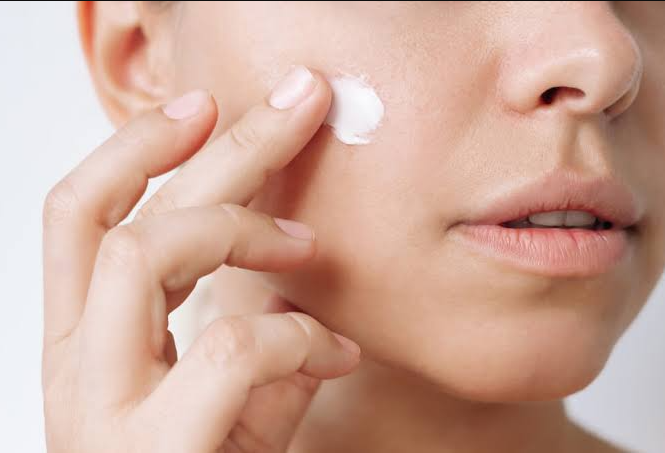
The Complete Guide to Combining Niacinamide and Retinol for Healthy Skin
Niacinamide and retinol are two of the most popular skincare ingredients available today. Both offer impressive benefits for improving skin texture, reducing signs of aging, and promoting a healthier complexion. However, many people wonder whether these ingredients can be used together safely without causing irritation.
The good news is that niacinamide and retinol can work exceptionally well as part of the same skincare routine when used correctly. In fact, niacinamide can help minimize some of the common side effects associated with retinol, making the combination an effective choice for beginners and experienced skincare users alike.
In this guide, you’ll learn how to use niacinamide and retinol together safely, their benefits, potential side effects, and the best routine for achieving optimal results.
What Is Niacinamide?
Niacinamide, also known as Vitamin B3, is a water-soluble vitamin that supports the skin barrier and improves overall skin health. It is suitable for most skin types and is known for its calming and hydrating properties.
Benefits of Niacinamide
- Strengthens the skin barrier
- Reduces redness and inflammation
- Minimizes the appearance of pores
- Controls excess oil production
- Improves uneven skin tone
- Enhances skin hydration
- Supports a smoother complexion
Because of its gentle nature, niacinamide is often recommended for sensitive and acne-prone skin.
What Is Retinol?
Retinol is a derivative of Vitamin A and is widely recognized for its anti-aging and skin-renewing benefits. It accelerates cell turnover, helping reveal fresher and smoother skin over time.
Benefits of Retinol
- Reduces fine lines and wrinkles
- Improves skin texture
- Fades acne scars
- Unclogs pores
- Boosts collagen production
- Helps even out skin tone
- Supports skin renewal
Despite its effectiveness, retinol can sometimes cause dryness, peeling, and irritation, especially during the initial adjustment period.
Can Niacinamide and Retinol Be Used Together?
Yes, niacinamide and retinol can be safely used together. In fact, many dermatologists recommend combining them because they complement each other.
Retinol works by increasing cell turnover, while niacinamide helps strengthen the skin barrier and reduce irritation. This combination allows users to enjoy the benefits of retinol with less discomfort.
Why They Work Well Together
| Ingredient | Main Function | Benefit When Combined |
|---|---|---|
| Niacinamide | Strengthens skin barrier | Reduces retinol-related irritation |
| Retinol | Increases cell turnover | Improves signs of aging and acne |
| Niacinamide | Calms inflammation | Helps skin tolerate retinol better |
| Retinol | Stimulates collagen | Works alongside niacinamide for smoother skin |
How to Use Niacinamide and Retinol Together Safely
Following the correct application method can significantly reduce the risk of irritation.
Step 1: Cleanse Your Face
Start with a gentle cleanser to remove dirt, oil, and makeup. Avoid harsh exfoliating cleansers when using retinol.
Step 2: Apply Niacinamide Serum
After cleansing, apply a niacinamide serum to clean, dry skin. Allow it to absorb for one to two minutes.
Niacinamide helps prepare the skin and supports the skin barrier before retinol application.
Step 3: Apply Retinol
Use a pea-sized amount of retinol for your entire face. Spread it evenly and avoid the delicate eye and lip areas unless the product specifically states it is safe for those areas.
Step 4: Moisturize
Follow with a nourishing moisturizer to lock in hydration and further minimize dryness.
Step 5: Use Sunscreen Daily
Retinol can make your skin more sensitive to sunlight. Always apply a broad-spectrum sunscreen with SPF 30 or higher every morning.
Best Routine for Beginners
If you’re new to retinol, start slowly to avoid irritation.
Week 1–2
- Niacinamide: Daily
- Retinol: Twice per week
Week 3–4
- Niacinamide: Daily
- Retinol: Three times per week
Week 5 and Beyond
- Niacinamide: Daily
- Retinol: Every other night or as tolerated
Gradually increasing frequency allows your skin to adapt more comfortably.
Common Mistakes to Avoid
Using Too Much Retinol
Applying more retinol will not deliver faster results. Excessive use often leads to redness, peeling, and discomfort.
Skipping Moisturizer
Hydration is essential when using retinol. A quality moisturizer helps maintain skin balance.
Ignoring Sunscreen
Sun protection is non-negotiable. Without sunscreen, your skin may become more vulnerable to UV damage.
Combining Too Many Active Ingredients
Avoid introducing strong exfoliants, acids, or other potent treatments at the same time as retinol, especially if you’re a beginner.
Who Should Use Niacinamide and Retinol Together?
This combination may be beneficial for people dealing with:
- Fine lines and wrinkles
- Acne and blemishes
- Enlarged pores
- Uneven skin tone
- Dull skin
- Mild hyperpigmentation
- Loss of firmness
Most skin types can tolerate the combination when introduced gradually.
Possible Side Effects
Although generally safe, some users may experience temporary side effects.
Common Side Effects
- Mild redness
- Dryness
- Flaking
- Sensitivity
- Temporary irritation
These effects often improve as the skin adjusts to retinol.
If irritation becomes severe, reduce retinol usage or consult a dermatologist.
Additional Tips for Better Results
- Start with a low-strength retinol formula.
- Apply products consistently for long-term improvements.
- Keep your skincare routine simple during the adjustment phase.
- Stay hydrated and maintain a healthy lifestyle.
- Be patient, as visible results may take several weeks.
Many skincare enthusiasts also pair healthy habits with solutions such as Natural Remedies for Under-Eye Puffiness to support an overall refreshed appearance.
When Will You See Results?
Results vary depending on skin type and product strength.
Typical Timeline
| Timeframe | Expected Results |
|---|---|
| 2–4 Weeks | Improved hydration and smoother texture |
| 4–8 Weeks | Reduced redness and refined pores |
| 8–12 Weeks | Improved skin tone and fewer breakouts |
| 3–6 Months | Visible reduction in fine lines and wrinkles |
Consistency is the key to achieving long-lasting improvements.
Frequently Asked Questions
Can I Apply Niacinamide Before Retinol?
Yes. Applying niacinamide before retinol is one of the most common and effective methods. It helps support the skin barrier and reduce potential irritation.
Should I Use Niacinamide in the Morning or Night?
Niacinamide can be used both morning and night. Many people apply it twice daily for maximum benefits.
Can Sensitive Skin Use Niacinamide and Retinol Together?
Yes, but sensitive skin types should start with a low-strength retinol and use it only once or twice weekly at first.
Do I Need a Moisturizer After Retinol?
Yes. Moisturizer helps reduce dryness and supports skin barrier function, making retinol easier to tolerate.
Can Niacinamide Reduce Retinol Side Effects?
Yes. Niacinamide is known for its soothing and barrier-supporting properties, which can help minimize redness, dryness, and irritation associated with retinol use.
Can I Use Niacinamide Every Day?
Yes. Niacinamide is generally gentle enough for daily use and is suitable for most skin types.
Conclusion
Using niacinamide and retinol together safely can transform your skincare routine by addressing multiple concerns at once. Retinol promotes cell renewal and reduces signs of aging, while niacinamide strengthens the skin barrier and helps calm irritation. When introduced gradually and paired with proper hydration and sun protection, this powerful combination can lead to smoother, healthier, and more youthful-looking skin over time.
By following a consistent routine and avoiding common mistakes, you can maximize the benefits of both ingredients while keeping your skin comfortable and balanced.